COP31 Negotiations in Antalya Conclude Without Overarching Political Agreement
The 31st UN Climate Change Conference in Turkey ended without a final political declaration, highlighting ongoing international disputes over fossil fuel transitions and climate finance.
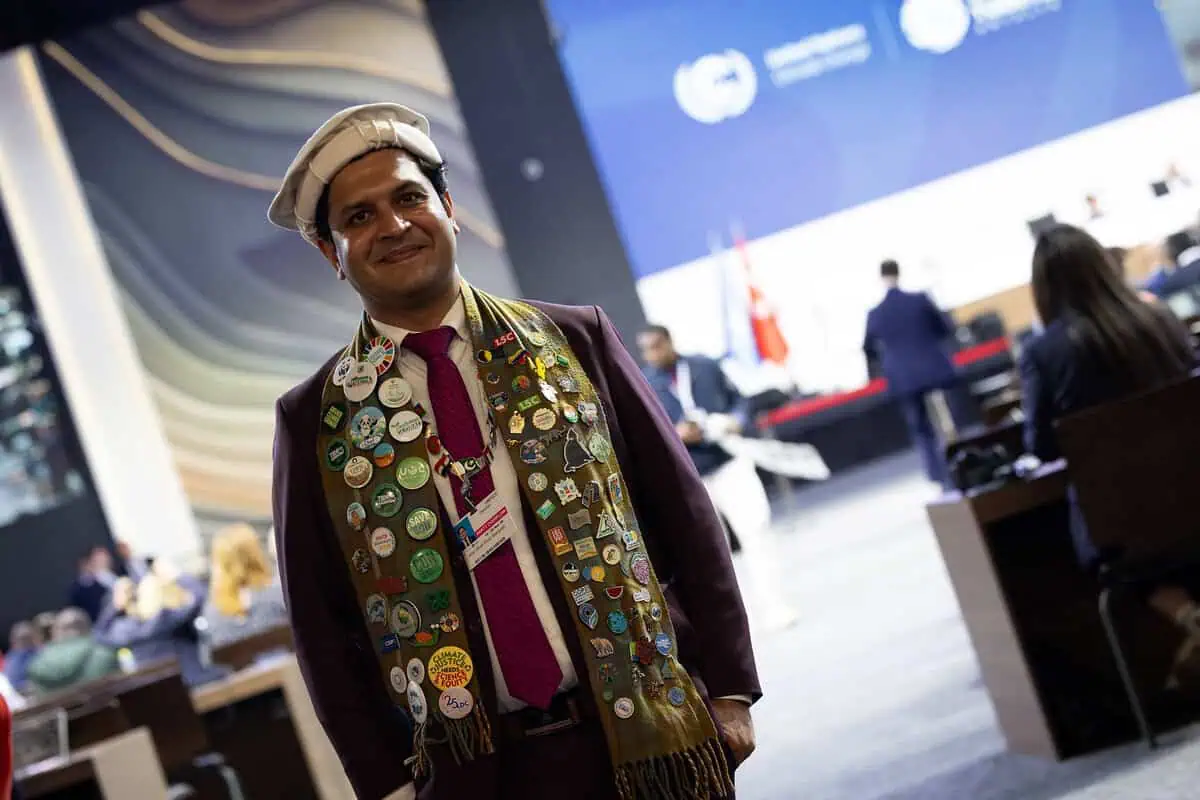 🌡️Energy & Climate
Photo: AutoGN climate · climate and energy politics: summits
Key points
- COP31 in Antalya ended without a formal Antalya Pact.
- Disagreements persisted over fossil fuel transitions and climate finance.
- Proposals for reforming the negotiation process include focusing on strategic decisions and improving local implementation.
The COP31 climate summit in Antalya, Türkiye, concluded without the adoption of a comprehensive political agreement, known as the Antalya Pact. Despite two weeks of intense negotiations and an additional two-day extension, delegates remained deadlocked over fundamental disagreements regarding fossil fuel phase-outs, financial responsibilities, and the equitable distribution of climate burdens between developed and developing nations.
While the summit failed to produce a unified cover decision, negotiators did reach specific agreements regarding the Adaptation Fund and the Just Transition Work Program. Furthermore, several side initiatives aimed at advancing electrification and international clean-energy cooperation were launched, though these successes failed to mask the lack of a cohesive global strategy for addressing the climate crisis.
The current impasse has prompted calls for a structural overhaul of the COP process. Critics of the existing framework argue that the current system has become too fragmented and procedural, often prioritizing last-minute diplomatic maneuvering over meaningful implementation of emission reduction targets and financial commitments.
The stakes
The failure to reach a consensus delays the establishment of a clear global roadmap for energy transitions, leaving developing nations in a precarious position regarding both economic development and climate resilience. If the current model of negotiation remains unchanged, the process risks becoming increasingly paralyzed, potentially undermining the long-term effectiveness of international climate commitments and widening the trust gap between industrialized and developing economies.
Two readings
- Supporters of reform argue that streamlining the COP process to focus on strategic political decisions rather than exhaustive technical disputes will lead to more transparent and actionable outcomes.
- Critics fear that altering the traditional consensus-based negotiation structure could weaken the collective ambition of the Paris Agreement and marginalize the voices of smaller, more vulnerable nations.
Read next
 ✒️Opinion & Analysis
ICJ Rules Myanmar Military Committed Genocide Against Rohingya
The International Court of Justice has found Myanmar's military guilty of genocide against the Rohingya, a ruling that damages the international standing of both Aung San…
 🕯️Democracy & Rights
Chinese teachers face rising parental pressure over personal life choices
Chinese educators are encountering a surge in unreasonable demands from parents, including complaints regarding teachers' pregnancy and maternity leave.
 🛡️War & Security
Ukraine Restricts Media Coverage of Infrastructure Damage Amid Russian Strikes
President Volodymyr Zelenskyy has issued a decree prohibiting media outlets from reporting on the impact of Russian strikes against critical infrastructure and the status…
 🏮China & Taiwan
Beijing Reaffirms Reunification Stance Following Taiwan Local Election Results
China’s Taiwan Affairs Office declared that the island’s reunification with the mainland remains inevitable, despite recent shifts in Taiwan's local political landscape.
 🇪🇺Europe
US Air Force Repels Unauthorized Drone Incursion at RAF Lakenheath
U.S. security forces at a British air base successfully countered a group of unidentified drones, amid growing concerns over potential foreign state involvement.
 ⚖️Law & Policy
India Government Proposes 50% Increase in Parliamentary Seats and Women's Reservation
The Indian government plans to introduce legislation to expand the Lok Sabha to 850 seats and mandate a 33% reservation for women in legislative bodies.