Global Water Levels Plummeted During Record-Breaking Heat Years, Study Finds
A new international study reveals that global river and lake water levels experienced their sharpest decline in over three decades during 2023 and 2024. Researchers warn that extreme heat is disrupting the water cycle, leading to increased volatility despite localized flooding.
 🌡️Energy & Climate
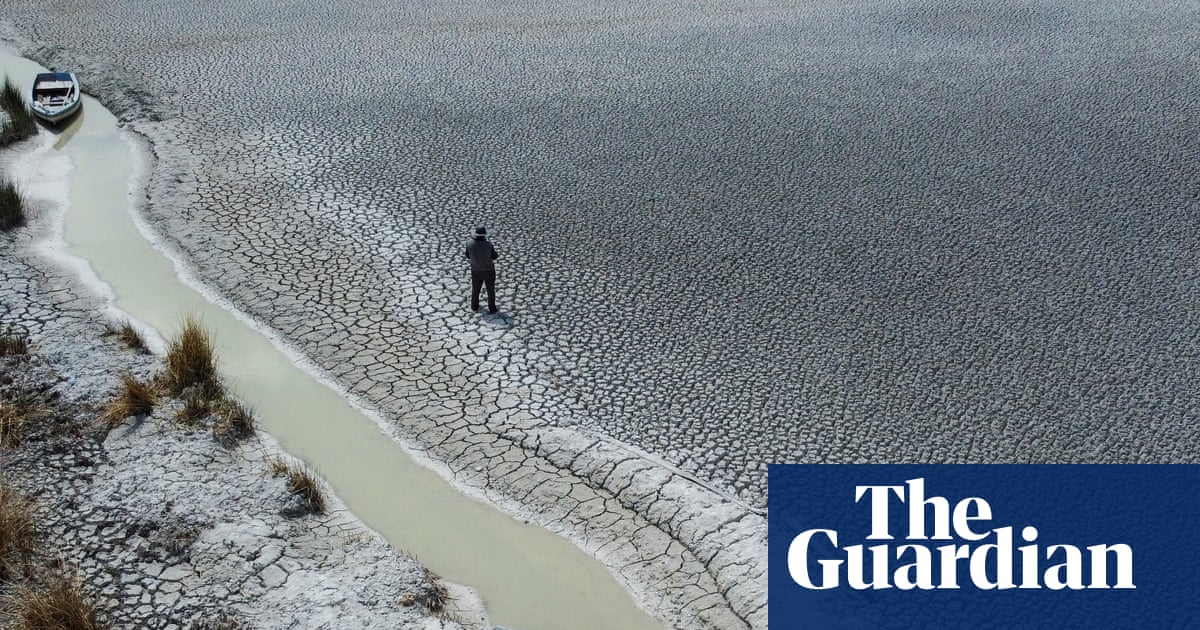
Photo: Guardian Climate
Key points
- River flows fell 5.7% and lake storage dropped 9.5% during the 2023-2024 period.
- South America saw the most pronounced declines, with river flows dropping by nearly 18%.
- Increased atmospheric heat is pulling moisture away from land, causing extreme swings between floods and droughts.
Global surface freshwater levels experienced a record-breaking decline throughout 2023 and 2024, according to a study led by the Chinese Academy of Sciences. Data analysis of over 1.2 million lakes and 150 major river basins indicates that river flows dropped to 5.7% below historical norms, while reservoir and lake storage plummeted by 9.5%. This represents the most significant synchronized reduction in surface water availability since records began in 1991.
The study highlights a critical paradox of the climate crisis: a warmer atmosphere does not equate to increased water availability on land. While global precipitation levels rose during this two-year period, much of the moisture fell over the oceans rather than on land. The researchers noted that rising temperatures accelerate evaporation from soils and waterways, intensifying the climate cycle and creating sharper, more unpredictable swings between drought and flood conditions.
South America emerged as a region of particular concern, recording a 17.8% drop in river flows and a 16.5% reduction in lake and reservoir storage. Experts emphasize that even regions prone to extreme flooding are not immune to long-term water insecurity, as intense, short-term downpours do not compensate for the sustained loss of freshwater resources throughout the year.
The stakes
Governments face increasing pressure to manage water security as climate volatility threatens agriculture, energy production, and human consumption. If these trends continue, nations will struggle to predict water availability, potentially leading to geopolitical tensions over shared water basins and the necessity for costly infrastructure investments to mitigate the impacts of climate-driven water scarcity.
Two readings
- Supporters of the study argue that the data provides urgent evidence for the necessity of aggressive greenhouse gas emission cuts to stabilize the global climate.
- Critics or skeptics may point to the complexity of regional weather patterns, arguing that localized water management and infrastructure improvements are more practical solutions than global climate policy shifts.
Source Guardian Climate — theguardian.com/environment/2026/nov/26/water-levels-fall-rivers-la… ↗
Read next
 ✒️Opinion & Analysis
ICJ Rules Myanmar Military Committed Genocide Against Rohingya
The International Court of Justice has found Myanmar's military guilty of genocide against the Rohingya, a ruling that damages the international standing of both Aung San…
 🕯️Democracy & Rights
Chinese teachers face rising parental pressure over personal life choices
Chinese educators are encountering a surge in unreasonable demands from parents, including complaints regarding teachers' pregnancy and maternity leave.
 🛡️War & Security
Ukraine Restricts Media Coverage of Infrastructure Damage Amid Russian Strikes
President Volodymyr Zelenskyy has issued a decree prohibiting media outlets from reporting on the impact of Russian strikes against critical infrastructure and the status…
 🏮China & Taiwan
Beijing Reaffirms Reunification Stance Following Taiwan Local Election Results
China’s Taiwan Affairs Office declared that the island’s reunification with the mainland remains inevitable, despite recent shifts in Taiwan's local political landscape.
 🇪🇺Europe
US Air Force Repels Unauthorized Drone Incursion at RAF Lakenheath
U.S. security forces at a British air base successfully countered a group of unidentified drones, amid growing concerns over potential foreign state involvement.
 ⚖️Law & Policy
India Government Proposes 50% Increase in Parliamentary Seats and Women's Reservation
The Indian government plans to introduce legislation to expand the Lok Sabha to 850 seats and mandate a 33% reservation for women in legislative bodies.