Pakistani Cities Record Hazardous Air Quality as Smog Crisis Deepens
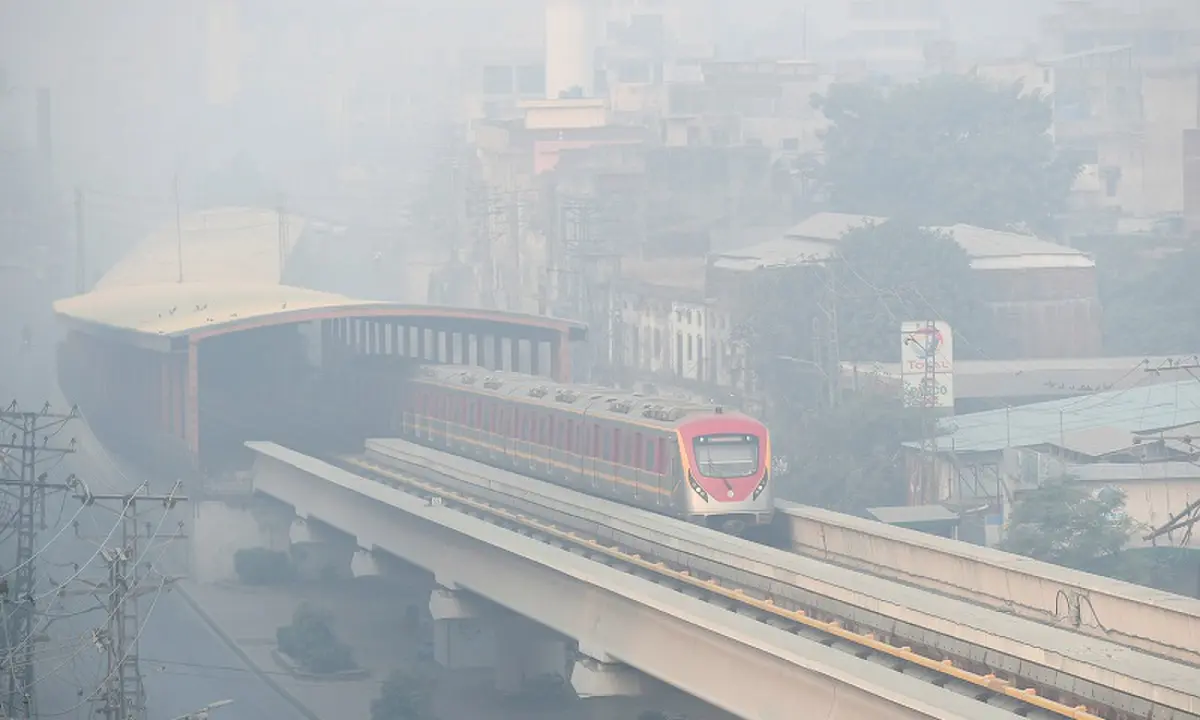
Lahore, Peshawar, and Sargodha recorded hazardous air quality index levels above 400 on Saturday, according to monitoring data from IQAir.
 🌡️Energy & Climate
Photo: Dawn
Key points
- Lahore, Peshawar, and Sargodha recorded AQI levels above 400.
- PM2.5 concentrations exceeded 43 times WHO annual guidelines.
- Authorities advised residents to limit outdoor exposure and wear masks.
Multiple major urban centres in Pakistan recorded hazardous air pollution levels on Saturday morning, placing severe strain on public health infrastructure. According to data compiled by monitoring firm IQAir, Lahore ranked as the world's most polluted major city between 9am and 10am, registering an air quality index of 400. Regional cities including Peshawar and Sargodha simultaneously surpassed the 400 threshold, entering the hazardous category as persistent smog blanketed the provinces of Punjab and Khyber Pakhtunkhwa.
Monitoring data showed that PM2.5 concentrations reached levels exceeding 43 times the annual guideline value recommended by the World Health Organisation. Localized readings within Lahore showed extreme spikes, with Allama Iqbal Town recording an AQI of 680. Nationwide figures placed Peshawar at the top of domestic rankings with an AQI of 414, closely followed by Sargodha at 404, while other urban hubs like Gujranwala, Faisalabad, and Multan also reported severe health risks from airborne particulate matter.
Public health authorities have urged vulnerable populations, including children and individuals with pre-existing respiratory and cardiovascular conditions, to restrict outdoor activities and utilize protective N95 masks. Environmental factors such as winter weather patterns trap pollutants close to the ground, compounding the ongoing crisis driven by vehicular emissions, industrial discharge, and seasonal crop residue burning.
The stakes
If the government fails to implement durable structural reforms to curb industrial emissions, vehicle exhausts, and agricultural burning, public health expenditures will surge while chronic respiratory illnesses among urban populations escalate. The administration faces mounting pressure to balance economic activity with aggressive environmental interventions that can withstand seasonal weather patterns.
Two readings
- Supporters argue that emergency public advisories and localized crackdowns on polluters demonstrate administrative resolve in tackling a deeply entrenched environmental crisis.
- Critics contend that authorities rely excessively on short-term advisories rather than pursuing structural reforms to address the systemic root causes of regional smog.
Source Dawn — dawn.com/news/2047659/lahore-ranked-worlds-most-polluted-major-city… ↗
Read next
 ✒️Opinion & Analysis
ICJ Rules Myanmar Military Committed Genocide Against Rohingya
The International Court of Justice has found Myanmar's military guilty of genocide against the Rohingya, a ruling that damages the international standing of both Aung San…
 🕯️Democracy & Rights
Chinese teachers face rising parental pressure over personal life choices
Chinese educators are encountering a surge in unreasonable demands from parents, including complaints regarding teachers' pregnancy and maternity leave.
 🛡️War & Security
Ukraine Restricts Media Coverage of Infrastructure Damage Amid Russian Strikes
President Volodymyr Zelenskyy has issued a decree prohibiting media outlets from reporting on the impact of Russian strikes against critical infrastructure and the status…
 🏮China & Taiwan
Beijing Reaffirms Reunification Stance Following Taiwan Local Election Results
China’s Taiwan Affairs Office declared that the island’s reunification with the mainland remains inevitable, despite recent shifts in Taiwan's local political landscape.
 🇪🇺Europe
US Air Force Repels Unauthorized Drone Incursion at RAF Lakenheath
U.S. security forces at a British air base successfully countered a group of unidentified drones, amid growing concerns over potential foreign state involvement.
 ⚖️Law & Policy
India Government Proposes 50% Increase in Parliamentary Seats and Women's Reservation
The Indian government plans to introduce legislation to expand the Lok Sabha to 850 seats and mandate a 33% reservation for women in legislative bodies.