UN Women Warns Over 1.5 Billion Women Face Climate Vulnerability
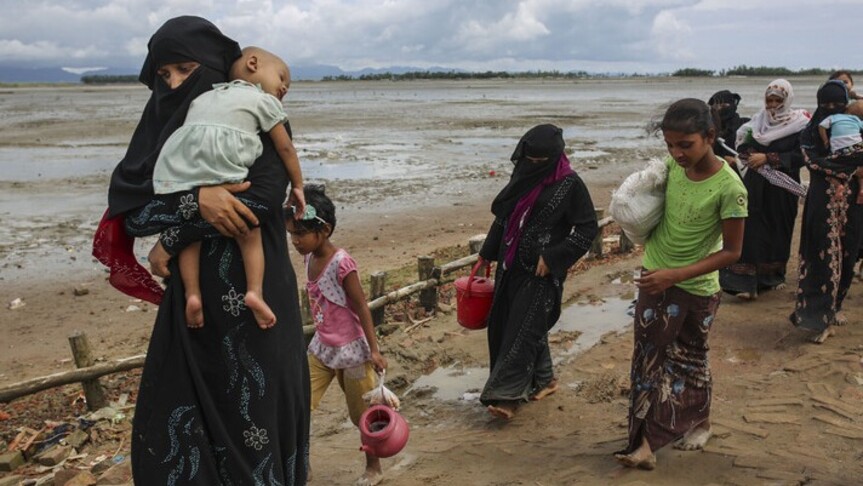
UN Women reported that more than 1.5 billion women and girls reside in regions severely affected by overlapping climate hazards, economic insecurity, and gender inequality.
 🌡️Energy & Climate
Photo: Anadolu
Key points
- Over 1.5 billion women and girls live in climate hotspots globally.
- Climate change could push 141 million more women into extreme poverty.
- UN Women urges governments to expand gender-responsive climate financing at COP31.
More than one-third of the global female population lives in areas where climate hazards intersect with severe economic insecurity and gender inequality, according to a fact sheet released on Tuesday by UN Women. The agency highlighted that while 73% of countries acknowledge gender-specific climate risks within their national climate strategies, only slightly over a third address these vulnerabilities comprehensively.
The report outlines severe potential consequences under worsening environmental conditions, warning that climate change could drive an additional 141 million women and girls into extreme poverty. Empirical data from 24 nations further indicates that a single-degree Celsius temperature rise correlates with women experiencing a 34% greater loss of total income compared to men. Additionally, findings across 14 countries associate prolonged extreme drought with a 21% increase in the likelihood of sexual violence directed at adolescent girls and young women.
Addressing the upcoming COP31 climate summit, UN Women Executive Director Sima Bahous urged global governments to scale up gender-responsive climate financing and safeguard fundamental rights. Bahous emphasized that women globally are already at the forefront of environmental advocacy, demanding equal access to resources, rights, and decision-making authority.
The stakes
Advocates for gender-responsive climate policy stand to gain targeted international funding and stronger legal protections if these proposals are adopted, whereas vulnerable populations risk continued marginalisation as environmental degradation intensifies global economic and security disparities.
Two readings
- Supporters read the report as an essential roadmap for integrating human rights and gender equality into international climate finance and national mitigation strategies.
- Critics may view the findings as broadening the scope of climate negotiations beyond traditional environmental and economic metrics into complex social mandates.
Source Anadolu — aa.com.tr/en/world/un-women-says-over-15b-women-girls-live-in-clima… ↗
Read next
 ✒️Opinion & Analysis
ICJ Rules Myanmar Military Committed Genocide Against Rohingya
The International Court of Justice has found Myanmar's military guilty of genocide against the Rohingya, a ruling that damages the international standing of both Aung San…
 🕯️Democracy & Rights
Chinese teachers face rising parental pressure over personal life choices
Chinese educators are encountering a surge in unreasonable demands from parents, including complaints regarding teachers' pregnancy and maternity leave.
 🛡️War & Security
Ukraine Restricts Media Coverage of Infrastructure Damage Amid Russian Strikes
President Volodymyr Zelenskyy has issued a decree prohibiting media outlets from reporting on the impact of Russian strikes against critical infrastructure and the status…
 🏮China & Taiwan
Beijing Reaffirms Reunification Stance Following Taiwan Local Election Results
China’s Taiwan Affairs Office declared that the island’s reunification with the mainland remains inevitable, despite recent shifts in Taiwan's local political landscape.
 🇪🇺Europe
US Air Force Repels Unauthorized Drone Incursion at RAF Lakenheath
U.S. security forces at a British air base successfully countered a group of unidentified drones, amid growing concerns over potential foreign state involvement.
 ⚖️Law & Policy
India Government Proposes 50% Increase in Parliamentary Seats and Women's Reservation
The Indian government plans to introduce legislation to expand the Lok Sabha to 850 seats and mandate a 33% reservation for women in legislative bodies.