Delhi Air Quality Drops to 'Very Poor' Ahead of Diwali Celebrations
Delhi's air quality has reached 'very poor' levels, with officials warning of a further decline to 'severe' status following Diwali festivities and agricultural burning.
 🌡️Energy & Climate
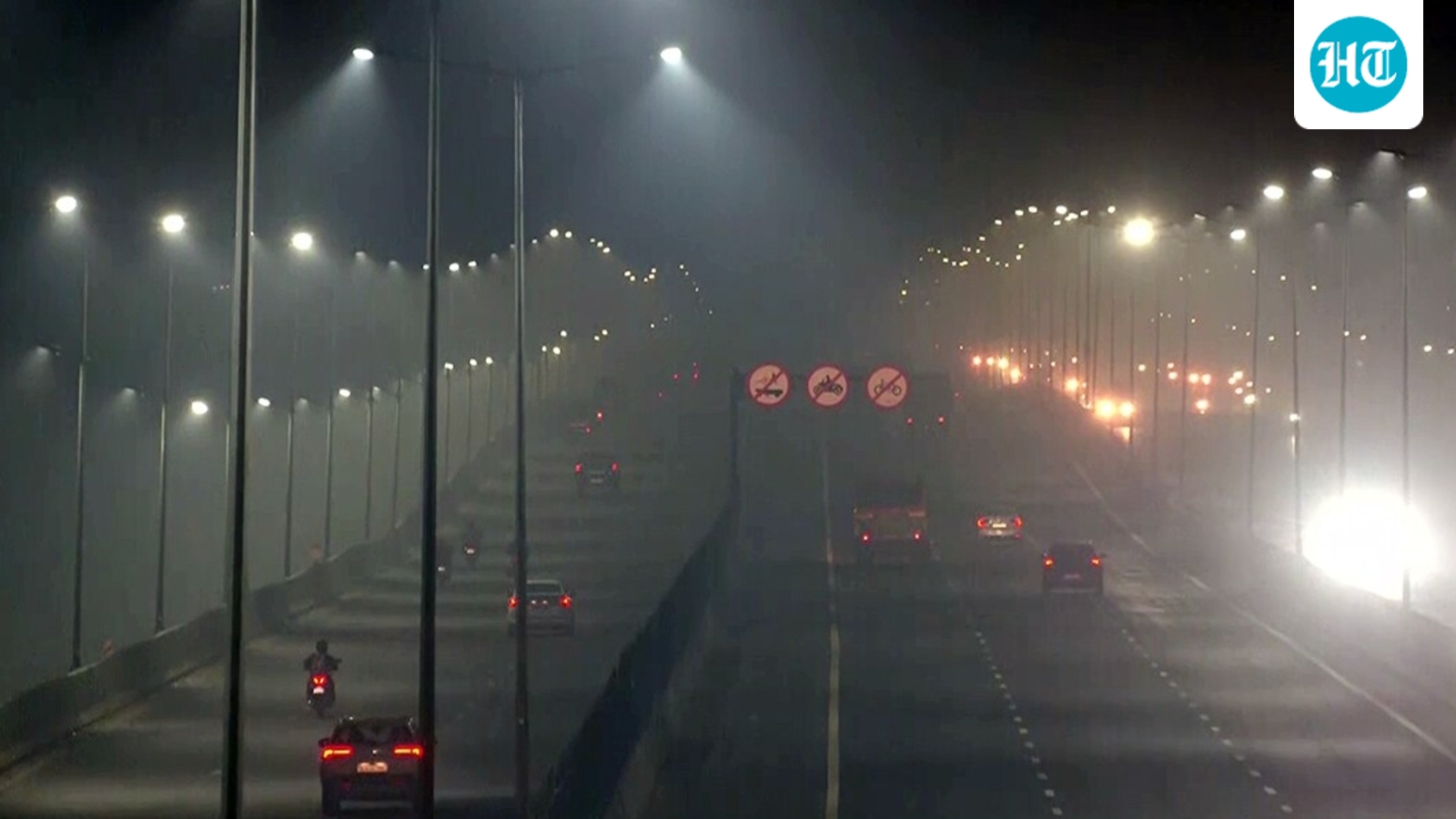
Photo: Hindustan Times
Key points
- Delhi's average AQI reached 376, with some areas already exceeding the 400 'severe' threshold.
- Transportation and stubble burning are cited as primary contributors alongside unfavorable weather conditions.
- Authorities anticipate a further decline in air quality due to Diwali firecracker emissions.
New Delhi recorded a 'very poor' average Air Quality Index (AQI) of 376 on Sunday, as a dense layer of smog began to blanket the national capital. Data from the Central Pollution Control Board indicates that 12 of the city’s 59 monitoring stations have already breached the 'severe' threshold of 400, with Jahangirpuri reporting the highest reading at 463.
The deterioration is driven by a combination of seasonal factors and human activity. Meteorological experts point to low wind speeds of under 10 kilometers per hour and a poor ventilation index, which prevent the effective dispersion of pollutants. The transport sector remains the primary contributor to current pollution levels, accounting for approximately 19 percent of the city's particulate matter.
Authorities expect conditions to worsen significantly following Diwali celebrations, as firecracker emissions combine with ongoing stubble burning from neighboring states. The Air Quality Early Warning System projects that the capital will remain in the 'severe' category for several days starting November 9.
The stakes
The persistent air crisis pits public health against cultural traditions and regional agricultural practices. If current trends continue, the government may be forced to implement more stringent emergency restrictions, impacting local transportation and economic activity, while residents face increased risks of respiratory illness.
Two readings
- Supporters of strict regulation argue that immediate, aggressive intervention is necessary to protect public health and that the government must enforce bans on firecrackers and agricultural burning more effectively.
- Critics of current policy suggest that the focus on urban firecrackers ignores the broader, systemic issues of industrial emissions and the complex cross-state agricultural challenges that require long-term infrastructure investment rather than temporary bans.
Source Hindustan Times — hindustantimes.com/india-news/delhis-air-struggle-begins-ahead-of-d… ↗
Read next
 ✒️Opinion & Analysis
ICJ Rules Myanmar Military Committed Genocide Against Rohingya
The International Court of Justice has found Myanmar's military guilty of genocide against the Rohingya, a ruling that damages the international standing of both Aung San…
 🕯️Democracy & Rights
Chinese teachers face rising parental pressure over personal life choices
Chinese educators are encountering a surge in unreasonable demands from parents, including complaints regarding teachers' pregnancy and maternity leave.
 🛡️War & Security
Ukraine Restricts Media Coverage of Infrastructure Damage Amid Russian Strikes
President Volodymyr Zelenskyy has issued a decree prohibiting media outlets from reporting on the impact of Russian strikes against critical infrastructure and the status…
 🏮China & Taiwan
Beijing Reaffirms Reunification Stance Following Taiwan Local Election Results
China’s Taiwan Affairs Office declared that the island’s reunification with the mainland remains inevitable, despite recent shifts in Taiwan's local political landscape.
 🇪🇺Europe
US Air Force Repels Unauthorized Drone Incursion at RAF Lakenheath
U.S. security forces at a British air base successfully countered a group of unidentified drones, amid growing concerns over potential foreign state involvement.
 ⚖️Law & Policy
India Government Proposes 50% Increase in Parliamentary Seats and Women's Reservation
The Indian government plans to introduce legislation to expand the Lok Sabha to 850 seats and mandate a 33% reservation for women in legislative bodies.