Banglish garment manufacturers threaten wage talks pullout amid unrest
Bangladesh garment manufacturing unions have threatened to abandon wage negotiations and enforce indefinite facility closures if violent protests targeting factories persist.
 🛡️War & Security
Photo: Straits Times Asia
Key points
- Manufacturers threaten to quit wage talks and close factories
- Workers demand 140 percent wage hike amid high inflation
- Unrest disrupts $38 billion export industry ahead of holidays
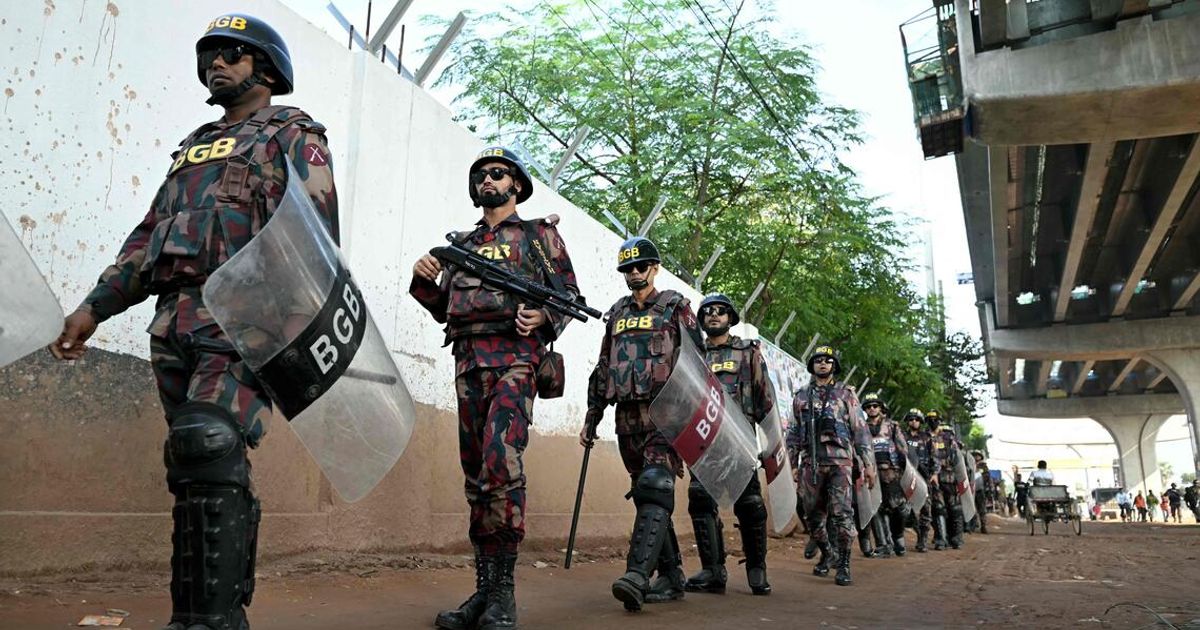
Trade bodies representing garment producers in Bangladesh announced on November 14 that they may withdraw from upcoming wage board discussions and shut down production sites indefinitely. The ultimatum follows weeks of escalating labor unrest across major manufacturing hubs, including Savar, Ashulia, and Gazipur, where demonstrators have clashed with security forces, torched vehicles, and damaged property.
The dispute centers on a demand by employees for a minimum monthly salary of 30,000 taka, representing a 140 percent increase from the existing 12,500 taka baseline. Labor groups argue that surging inflation, hovering near 8 percent, has severely diminished their ability to cover basic expenses such as food, housing, and healthcare. In response, manufacturing leaders invoked provisions under national labor legislation to suspend operations without pay at dozens of affected sites, bringing total closures to 147 facilities.
The standoff directly threatens a vital sector that generates approximately $38 billion annually, accounts for four-fifths of the nation's total exports, and employs upwards of four million people. Major international apparel brands source their products from the country, relying heavily on timely shipments during the peak Christmas export season.
The stakes
If manufacturers follow through on walkouts and indefinite closures, the domestic economy faces severe contraction while global retail supply chains experience critical bottlenecks ahead of peak holiday shopping periods.
Two readings
- Supporters of the industrial leadership argue that employers cannot negotiate under duress while their facilities face vandalism and destruction.
- Critics contend that the refusal to engage realistically with wage demands ignores the severe economic pressures placed on workers by high inflation.
Source Straits Times Asia — straitstimes.com/asia/bangladesh-garment-makers-threaten-to-quit-wa… ↗
Read next
 ✒️Opinion & Analysis
ICJ Rules Myanmar Military Committed Genocide Against Rohingya
The International Court of Justice has found Myanmar's military guilty of genocide against the Rohingya, a ruling that damages the international standing of both Aung San…
 🕯️Democracy & Rights
Chinese teachers face rising parental pressure over personal life choices
Chinese educators are encountering a surge in unreasonable demands from parents, including complaints regarding teachers' pregnancy and maternity leave.
 🏮China & Taiwan
Beijing Reaffirms Reunification Stance Following Taiwan Local Election Results
China’s Taiwan Affairs Office declared that the island’s reunification with the mainland remains inevitable, despite recent shifts in Taiwan's local political landscape.
 🇪🇺Europe
US Air Force Repels Unauthorized Drone Incursion at RAF Lakenheath
U.S. security forces at a British air base successfully countered a group of unidentified drones, amid growing concerns over potential foreign state involvement.
 ⚖️Law & Policy
India Government Proposes 50% Increase in Parliamentary Seats and Women's Reservation
The Indian government plans to introduce legislation to expand the Lok Sabha to 850 seats and mandate a 33% reservation for women in legislative bodies.
 ⚖️Law & Policy
India’s ruling alliance nears two-thirds majority for sweeping parliamentary expansion and delimitation bills
The National Democratic Alliance is nearing a two-thirds majority in Parliament to pass landmark legislation expanding the Lok Sabha by 50 percent and implementing a 33 p…