Kremlin softens stance on European delegation joining Ukraine peace talks
Moscow signaled it will not oppose European participation in upcoming negotiations on Ukraine, marking a notable shift in diplomatic tone.
 🛡️War & Security
Photo: Euronews
Key points
- Moscow drops opposition to EU delegation in peace talks
- Kremlin spokesperson Dmitry Peskov confirms change in tone
- European nations designate representatives for upcoming negotiations
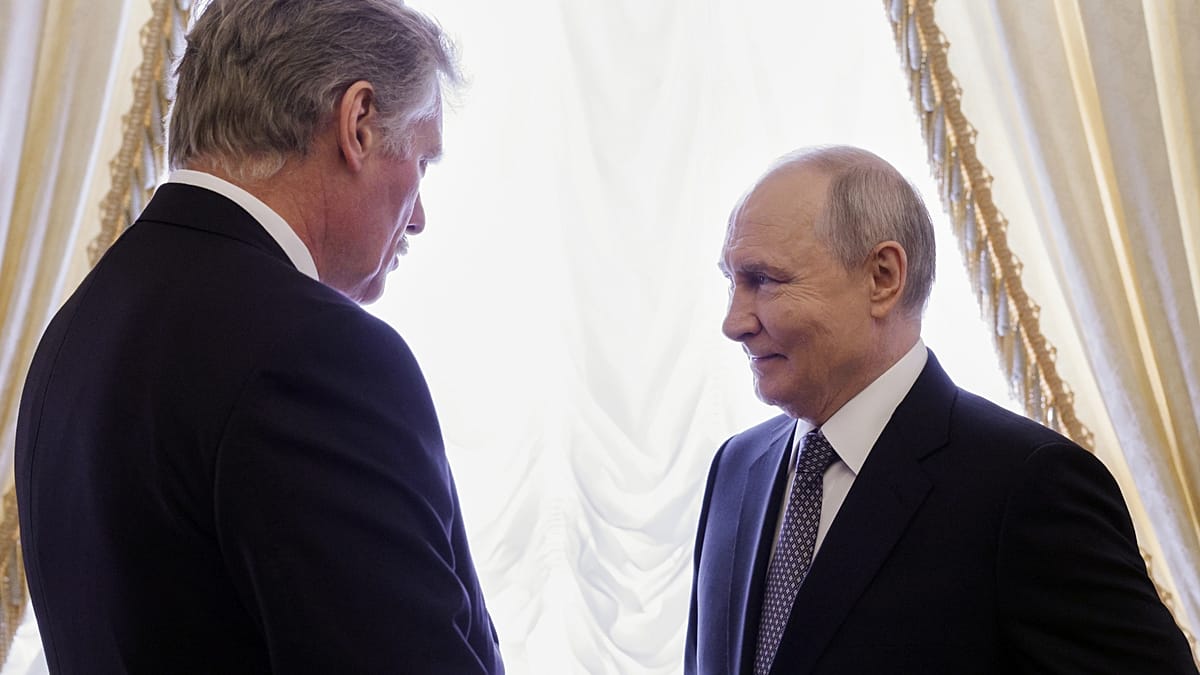
The Kremlin stated that it has no intention of dictating the composition of the European delegation for upcoming peace talks regarding Ukraine. Kremlin spokesperson Dmitry Peskov remarked that setting conditions on who represents Brussels at the negotiating table would be improper, representing a distinct departure from earlier positions that rejected European involvement entirely.
Previous diplomatic friction saw Moscow repeatedly assert that European officials had no role in the process and accused Brussels of exacerbating the conflict through continued military and financial support for Kyiv. Earlier trilateral discussions in Abu Dhabi involving the United States, Ukraine, and Russia deliberately excluded European representatives.
The diplomatic shift follows an announcement by US envoy Jared Kushner indicating that Moscow agreed to broaden the participant list for the next round of discussions. Following this development, EU leadership designated representatives from Britain, France, Germany, Italy, Poland, and the bloc's central institutions to take part in the dialogue.
The stakes
European powers gain a direct seat at the diplomatic table, ensuring their security interests and prior commitments to Kyiv are represented. Conversely, Russia risks diluting bilateral dynamics with Washington and Kyiv, while changes in the format could either accelerate peace efforts or complicate negotiations with competing priorities.
Two readings
- Supporters read the policy shift as a pragmatic acknowledgment by Moscow that sustainable peace requires the direct engagement of major European stakeholders.
- Critics view the move as a tactical maneuver to fracture Western unity or legitimize territorial outcomes through a prolonged multilateral process.
Source Euronews — euronews.com/2026/11/14/moscow-says-it-will-not-dictate-eu-delegati… ↗
Read next
 ✒️Opinion & Analysis
ICJ Rules Myanmar Military Committed Genocide Against Rohingya
The International Court of Justice has found Myanmar's military guilty of genocide against the Rohingya, a ruling that damages the international standing of both Aung San…
 🕯️Democracy & Rights
Chinese teachers face rising parental pressure over personal life choices
Chinese educators are encountering a surge in unreasonable demands from parents, including complaints regarding teachers' pregnancy and maternity leave.
 🏮China & Taiwan
Beijing Reaffirms Reunification Stance Following Taiwan Local Election Results
China’s Taiwan Affairs Office declared that the island’s reunification with the mainland remains inevitable, despite recent shifts in Taiwan's local political landscape.
 🇪🇺Europe
US Air Force Repels Unauthorized Drone Incursion at RAF Lakenheath
U.S. security forces at a British air base successfully countered a group of unidentified drones, amid growing concerns over potential foreign state involvement.
 ⚖️Law & Policy
India Government Proposes 50% Increase in Parliamentary Seats and Women's Reservation
The Indian government plans to introduce legislation to expand the Lok Sabha to 850 seats and mandate a 33% reservation for women in legislative bodies.
 ⚖️Law & Policy
India’s ruling alliance nears two-thirds majority for sweeping parliamentary expansion and delimitation bills
The National Democratic Alliance is nearing a two-thirds majority in Parliament to pass landmark legislation expanding the Lok Sabha by 50 percent and implementing a 33 p…