Saudi-Backed Yemeni Forces Retreat From Bab el-Mandeb as Iran Strikes Bahrain
Saudi-backed forces in Yemen have retreated from the Bab el-Mandeb Strait to defend Aden, while Iranian drone attacks target US facilities in Bahrain.
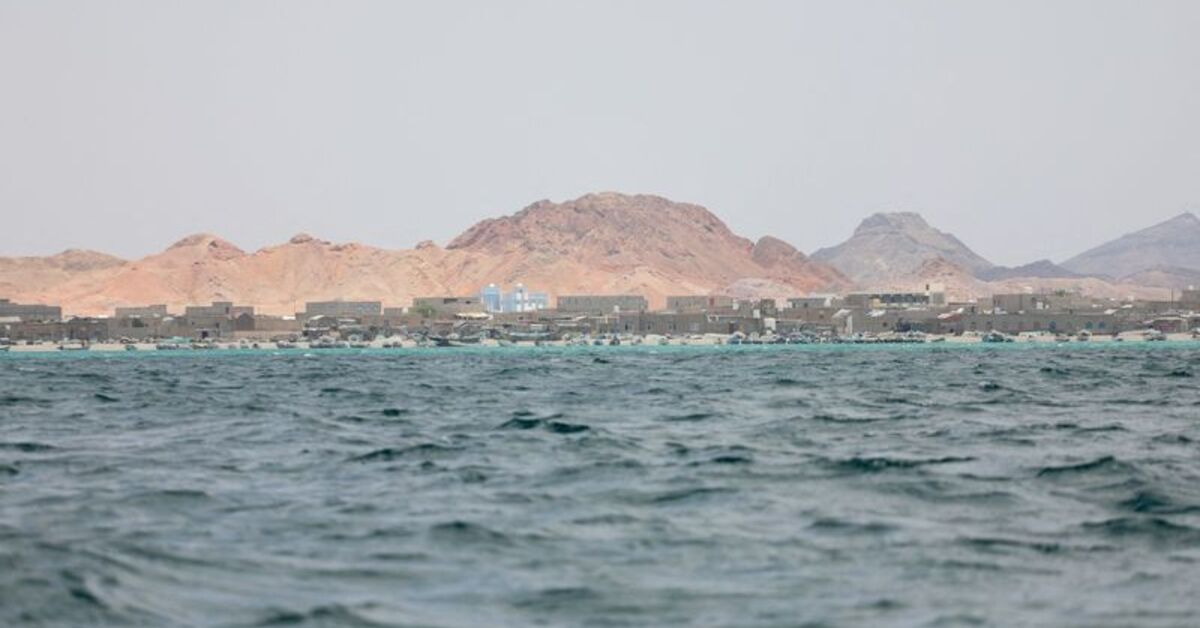 🛡️War & Security
Photo: Al-Monitor
Key points
- Saudi-backed Yemeni forces retreated from the Bab el-Mandeb Strait to defend Aden.
- Iran launched drone attacks against US bases and facilities in Bahrain.
- The developments complicate US regional policy and threaten critical Red Sea oil transit routes.
Saudi-backed military units fighting for the internationally recognised government of Yemen announced a strategic withdrawal from the Bab el-Mandeb Strait to protect their temporary capital of Aden. The redeployment marks the collapse of a six-week government counteroffensive aimed at pushing Iran-aligned Houthi forces away from vital Red Sea shipping lanes and securing key petroleum export routes.
According to a statement issued by the Southern Armed Forces, the pullback from positions including Dhubab Airport and the western sector of Taiz Governorate was ordered to consolidate defensive lines around Aden and adjacent regions. The retreat leaves the internationally recognised administration vulnerable to renewed Houthi advances toward the southern coast, more than a decade after losing the capital of Sanaa.
Concurrently, the security situation escalated in the Persian Gulf as Bahraini air defenses intercepted multiple aerial attacks launched by Iran. The Islamic Revolutionary Guard Corps claimed responsibility for targeting a United States military base in the kingdom using six drones, citing retaliation for hostile American operations. The strikes follow recent incidents involving American early-warning radar installations in the island nation, which hosts the US Fifth Fleet.
The dual developments heighten pressure on the administration of US President Donald Trump to address the protracted regional conflict. While major direct combat between Washington and Tehran has subsided, diplomatic channels remain stalled and regional proxy fighting persists despite electoral pressures and shifting foreign policy stances in Washington.
The stakes
The withdrawal hands the Houthis a strategic advantage along critical maritime corridors, threatening global energy transit and intensifying pressure on regional governments. Meanwhile, ongoing drone attacks on Bahrain complicate American security postures in the Gulf and challenge efforts by Washington to disengage from the protracted confrontation.
Two readings
- Supporters of the military actions argue that consolidating forces in Yemen is a pragmatic defensive necessity to protect key population centers from imminent collapse.
- Critics contend that the government retreat signals the failure of the Saudi-led campaign to secure vital waterways, while Iranian strikes demonstrate the ongoing vulnerability of allied regional infrastructure.
Source Al-Monitor — al-monitor.com/originals/2026/11/anti-houthi-forces-retreat-yemen-i… ↗
Read next
 ✒️Opinion & Analysis
ICJ Rules Myanmar Military Committed Genocide Against Rohingya
The International Court of Justice has found Myanmar's military guilty of genocide against the Rohingya, a ruling that damages the international standing of both Aung San…
 🕯️Democracy & Rights
Chinese teachers face rising parental pressure over personal life choices
Chinese educators are encountering a surge in unreasonable demands from parents, including complaints regarding teachers' pregnancy and maternity leave.
 🏮China & Taiwan
Beijing Reaffirms Reunification Stance Following Taiwan Local Election Results
China’s Taiwan Affairs Office declared that the island’s reunification with the mainland remains inevitable, despite recent shifts in Taiwan's local political landscape.
 🇪🇺Europe
US Air Force Repels Unauthorized Drone Incursion at RAF Lakenheath
U.S. security forces at a British air base successfully countered a group of unidentified drones, amid growing concerns over potential foreign state involvement.
 ⚖️Law & Policy
India Government Proposes 50% Increase in Parliamentary Seats and Women's Reservation
The Indian government plans to introduce legislation to expand the Lok Sabha to 850 seats and mandate a 33% reservation for women in legislative bodies.
 ⚖️Law & Policy
India’s ruling alliance nears two-thirds majority for sweeping parliamentary expansion and delimitation bills
The National Democratic Alliance is nearing a two-thirds majority in Parliament to pass landmark legislation expanding the Lok Sabha by 50 percent and implementing a 33 p…