Ukraine, Russia and US Convene for Technical Talks in Abu Dhabi
Ukrainian, Russian, and United States delegations are scheduled to hold technical-level talks in Abu Dhabi on November 10 and 11, focusing on post-war security, de-escalation, and humanitarian measures while European capitals debate their representation.
 🛡️War & Security
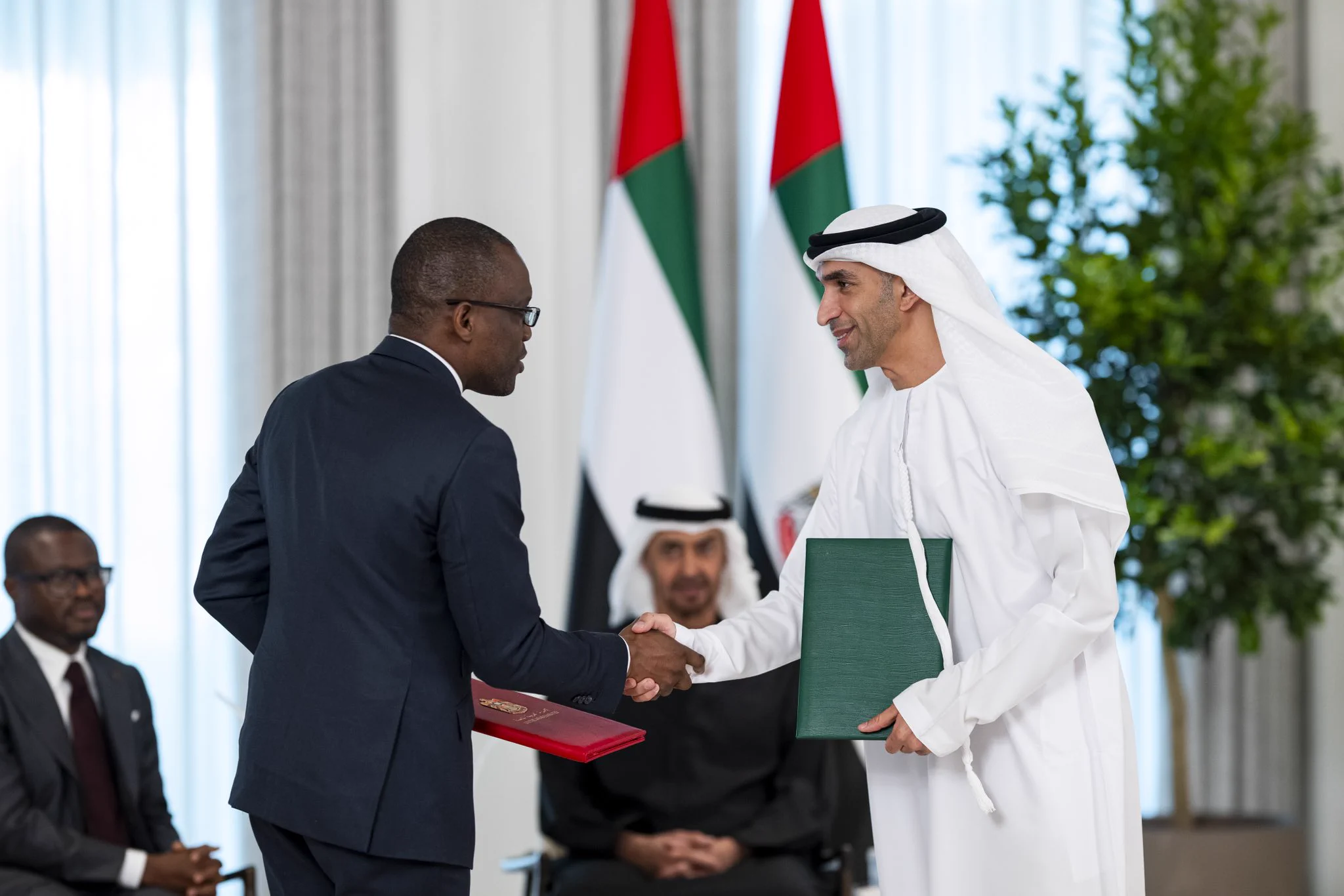
Photo: Rio Times
Key points
- Trilateral US-Ukraine-Russia talks scheduled in Abu Dhabi for November 10-11, 2026
- Agenda covers post-war security, de-escalation, and humanitarian measures
- Italian Prime Minister Giorgia Meloni questions EU representation and mandates in external talks
Delegations from Ukraine, Russia, and the United States are convening in Abu Dhabi on November 10 and 11, 2026, for a new round of technical-level discussions aimed at exploring post-war security arrangements and humanitarian measures. United States special envoy Steve Witkoff stated that the trilateral format will address de-escalation and the framework for ending the war, marking the second such meeting hosted in the United Arab Emirates following initial talks held in January.
While the diplomatic track advances under American mediation, active fighting continues on the ground. Recent Russian strikes in Zaporizhzhia Oblast have resulted in dozens of casualties, underscoring the severe security pressures facing the Ukrainian delegation, which includes senior officials such as Kyrylo Budanov from the Presidential Office. Reporting indicates that while prisoner exchanges and Black Sea maritime safety remain under discussion, fundamental divisions persist regarding territorial integrity and security guarantees.
The diplomatic engagement has also triggered internal friction within Europe regarding representation and authority. Italian Prime Minister Giorgia Meloni recently challenged European Council leadership over the mandate of external negotiations, declaring that Rome will not recognize commitments made without a unified European Union mandate. This friction highlights a broader debate among Western allies over how European capitals engage with US-led diplomatic initiatives concerning the conflict.
The stakes
The Abu Dhabi talks test the viability of American-led mediation against deep battlefield divisions and European institutional friction. If the parties secure practical agreements on humanitarian corridors or energy infrastructure pauses, the process gains stability; however, unresolved disputes over territory and European exclusion risk deepening diplomatic fractures among Western allies.
Two readings
- Supporters read the talks as a necessary, pragmatic step toward reducing violence, testing potential frameworks for de-escalation, and maintaining open channels for future conflict resolution.
- Critics read the bilateral US-led format as bypassing vital European stakeholders, risking uncoordinated concessions, and exacerbating internal divisions within the European Union over foreign policy mandates.
Source Rio Times — riotimesonline.com/ukraine-russia-talks-abu-dhabi-explained-2026/ ↗
Read next
 ✒️Opinion & Analysis
ICJ Rules Myanmar Military Committed Genocide Against Rohingya
The International Court of Justice has found Myanmar's military guilty of genocide against the Rohingya, a ruling that damages the international standing of both Aung San…
 🕯️Democracy & Rights
Chinese teachers face rising parental pressure over personal life choices
Chinese educators are encountering a surge in unreasonable demands from parents, including complaints regarding teachers' pregnancy and maternity leave.
 🏮China & Taiwan
Beijing Reaffirms Reunification Stance Following Taiwan Local Election Results
China’s Taiwan Affairs Office declared that the island’s reunification with the mainland remains inevitable, despite recent shifts in Taiwan's local political landscape.
 🇪🇺Europe
US Air Force Repels Unauthorized Drone Incursion at RAF Lakenheath
U.S. security forces at a British air base successfully countered a group of unidentified drones, amid growing concerns over potential foreign state involvement.
 ⚖️Law & Policy
India Government Proposes 50% Increase in Parliamentary Seats and Women's Reservation
The Indian government plans to introduce legislation to expand the Lok Sabha to 850 seats and mandate a 33% reservation for women in legislative bodies.
 ⚖️Law & Policy
India’s ruling alliance nears two-thirds majority for sweeping parliamentary expansion and delimitation bills
The National Democratic Alliance is nearing a two-thirds majority in Parliament to pass landmark legislation expanding the Lok Sabha by 50 percent and implementing a 33 p…