US Military Spending in Iran Conflict Exceeds $48 Billion
Pentagon officials report that the cost of military operations in Iran has surpassed $48.3 billion, as Congressional scrutiny intensifies over the lack of formal authorization.
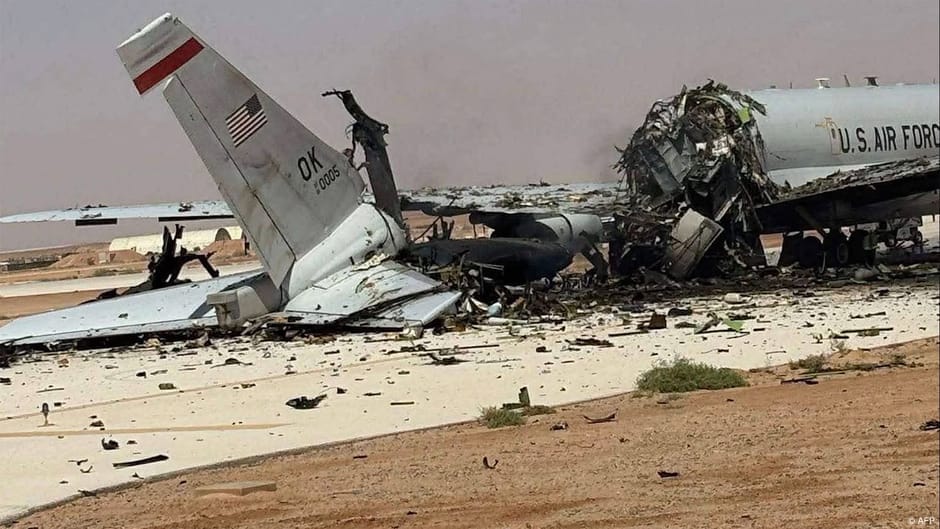 🛡️War & Security
Photo: DW English
Key points
- Operational costs for the Iran conflict have reached $48.3 billion.
- Infrastructure damage estimates are excluded from current totals and could add billions.
- The administration's $1.5 trillion defense budget request faces opposition from the new Democratic-controlled Congress.
The financial burden of the ongoing conflict in Iran has reached $48.3 billion as of November 13, according to testimony provided by Pentagon budgetary official Arthur Miller. The figures, disclosed during a Senate Armed Services Committee hearing, encompass expenditures for military operations, munitions, and equipment since the conflict was initiated on February 28 without Congressional approval.
Despite the high operational costs, the total financial impact remains incomplete. Miller acknowledged that the current tally excludes significant damage to American military infrastructure across the Middle East. While specific estimates for these repairs were not provided during the hearing, independent assessments from the Center for Strategic and International Studies suggest that building repairs alone could exceed $4 billion, while other reports indicate total infrastructure damage could reach $15 billion.
The administration continues to face pressure regarding the conflict's duration and its broader economic consequences, particularly the closure of the Strait of Hormuz. With Democrats now holding control of both houses of Congress following the November 3 midterm elections, the administration’s request for a $1.5 trillion defense budget—a 40% increase over 2026 levels—faces significant legislative hurdles.
The stakes
The administration risks a severe budgetary standoff that could jeopardize military readiness and future operations. If the requested defense funding is rejected, the government may be forced to either scale back its military footprint in the region or seek alternative, highly controversial funding mechanisms to sustain the conflict.
Two readings
- Supporters argue that the increased expenditure is a necessary investment in national security and regional stability to counter Iranian influence.
- Critics contend that the conflict lacks legal authorization and that the ballooning costs, compounded by infrastructure damage, represent an unsustainable drain on the federal budget.
Source DW English — dw.com/en/price-tag-for-us-war-in-iran-barrels-past-48-billion/a-79… ↗
Read next
 ✒️Opinion & Analysis
ICJ Rules Myanmar Military Committed Genocide Against Rohingya
The International Court of Justice has found Myanmar's military guilty of genocide against the Rohingya, a ruling that damages the international standing of both Aung San…
 🕯️Democracy & Rights
Chinese teachers face rising parental pressure over personal life choices
Chinese educators are encountering a surge in unreasonable demands from parents, including complaints regarding teachers' pregnancy and maternity leave.
 🏮China & Taiwan
Beijing Reaffirms Reunification Stance Following Taiwan Local Election Results
China’s Taiwan Affairs Office declared that the island’s reunification with the mainland remains inevitable, despite recent shifts in Taiwan's local political landscape.
 🇪🇺Europe
US Air Force Repels Unauthorized Drone Incursion at RAF Lakenheath
U.S. security forces at a British air base successfully countered a group of unidentified drones, amid growing concerns over potential foreign state involvement.
 ⚖️Law & Policy
India Government Proposes 50% Increase in Parliamentary Seats and Women's Reservation
The Indian government plans to introduce legislation to expand the Lok Sabha to 850 seats and mandate a 33% reservation for women in legislative bodies.
 ⚖️Law & Policy
India’s ruling alliance nears two-thirds majority for sweeping parliamentary expansion and delimitation bills
The National Democratic Alliance is nearing a two-thirds majority in Parliament to pass landmark legislation expanding the Lok Sabha by 50 percent and implementing a 33 p…