Iran Maintains Strategic Leverage Through Attacks in the Strait of Hormuz
Ongoing attacks on commercial shipping in the Strait of Hormuz continue to disrupt global trade routes and inflate freight costs, even as Middle Eastern crude oil exports recover.
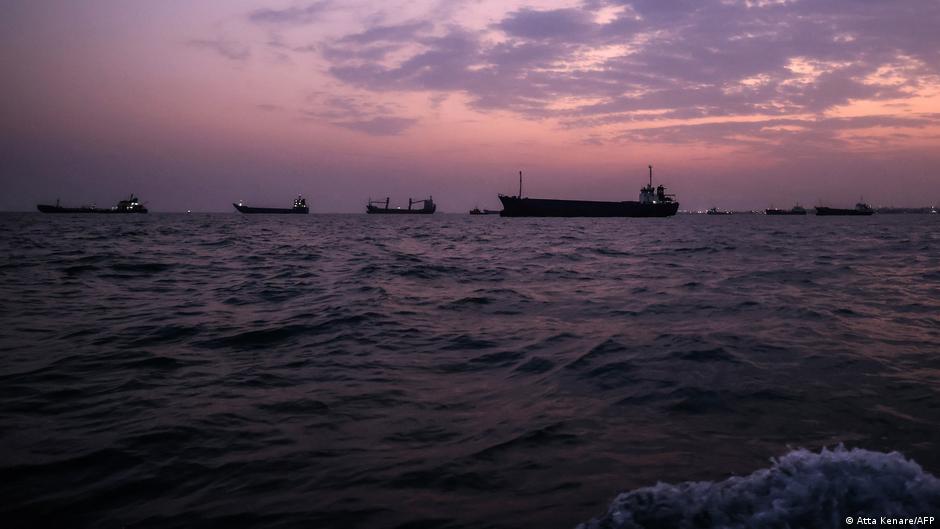 🛡️War & Security
Photo: DW World
Key points
- UKMTO data shows Hormuz transits remain 65% below pre-war levels.
- Crude oil exports recovered, but refined products and LNG remain disrupted.
- OPEC figures show tanker freight rates surged roughly twelvefold to $37.13 per barrel.
Commercial shipping traversing the Strait of Hormuz continues to face severe security threats as the conflict involving Iran persists, forcing operators to weigh the risks of transit against mounting financial penalties. Data released on November 6 by the UK Maritime Trade Operations Center recorded 325 transits through the critical waterway between October 29 and November 4, reflecting a modest 17% increase from the previous week but remaining roughly 65% below pre-war levels.
While crude oil exports from the Middle East across various regional routes have largely rebounded to pre-war volumes, refined petroleum and liquefied natural gas shipments continue to suffer steep declines. According to macroeconomic and energy assessments, refined product exports have roughly halved from pre-war marks of 6.2 million barrels per day, while Qatari and Emirati LNG shipments remain heavily disrupted.
Security concerns have dramatically transformed shipping economics, with OPEC data indicating that average freight rates for large crude tankers traveling from the Middle East to East Asia surged roughly twelvefold, rising from $3.18 per barrel early in the year to $37.13 by the end of October. Experts note that although the United States maintains a military presence to safeguard maritime trade, sustained protection alone cannot restore commercial confidence or lower prices without a formal cessation of hostilities and a comprehensive diplomatic settlement.
The stakes
Iran leverages the waterway to extract political concessions and raise the costs of confrontation, balancing military disruption against severe domestic economic constraints and potential backlash from regional allies. If the conflict and maritime threats endure, Asian importers and global consumers will continue bearing the burden of inflated shipping and insurance expenses, permanently altering regional energy trade dynamics.
Two readings
- Supporters of Tehran's strategy argue that maintaining pressure in the strategic strait is a necessary defensive and diplomatic tool to counter Western influence and secure political leverage during wartime.
- Critics contend that the campaign primarily inflicts unsustainable economic damage on regional allies and global markets while failing to secure lasting geopolitical gains for Iran.
Source DW World — dw.com/en/strait-of-hormuz-still-a-source-of-leverage-for-iran/a-79… ↗
Read next
 ✒️Opinion & Analysis
ICJ Rules Myanmar Military Committed Genocide Against Rohingya
The International Court of Justice has found Myanmar's military guilty of genocide against the Rohingya, a ruling that damages the international standing of both Aung San…
 🕯️Democracy & Rights
Chinese teachers face rising parental pressure over personal life choices
Chinese educators are encountering a surge in unreasonable demands from parents, including complaints regarding teachers' pregnancy and maternity leave.
 🏮China & Taiwan
Beijing Reaffirms Reunification Stance Following Taiwan Local Election Results
China’s Taiwan Affairs Office declared that the island’s reunification with the mainland remains inevitable, despite recent shifts in Taiwan's local political landscape.
 🇪🇺Europe
US Air Force Repels Unauthorized Drone Incursion at RAF Lakenheath
U.S. security forces at a British air base successfully countered a group of unidentified drones, amid growing concerns over potential foreign state involvement.
 ⚖️Law & Policy
India Government Proposes 50% Increase in Parliamentary Seats and Women's Reservation
The Indian government plans to introduce legislation to expand the Lok Sabha to 850 seats and mandate a 33% reservation for women in legislative bodies.
 ⚖️Law & Policy
India’s ruling alliance nears two-thirds majority for sweeping parliamentary expansion and delimitation bills
The National Democratic Alliance is nearing a two-thirds majority in Parliament to pass landmark legislation expanding the Lok Sabha by 50 percent and implementing a 33 p…