CBO Report Warns Navy Shipbuilding Plan Requires Significant Budget Increases
A new Congressional Budget Office report indicates the Navy's 2027 shipbuilding plan would necessitate a 41 percent increase in annual funding, far exceeding recent appropriations.
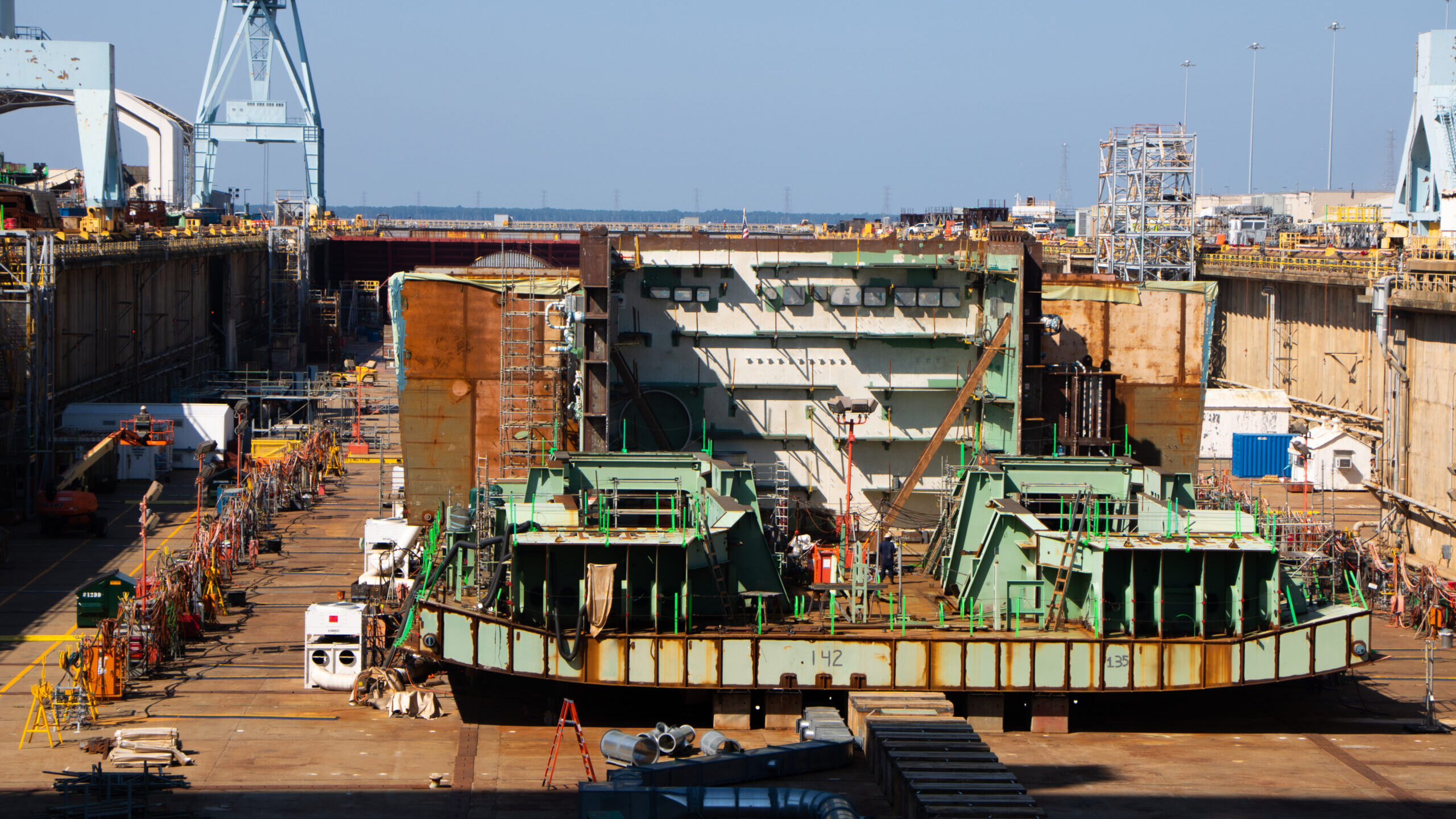 🛡️War & Security
Photo: Breaking Defense
Key points
- CBO estimates Navy shipbuilding needs $53.8 billion annually, a 41% increase.
- The 30-year cost projection for the plan reaches $1.47 trillion.
- Senate appropriators have proposed cutting $18.5 billion from the Navy's request.
The U.S. Navy's 2027 shipbuilding roadmap faces a significant financial hurdle, as a new report from the Congressional Budget Office (CBO) estimates the initiative will require an average of $53.8 billion annually. This figure represents a 41 percent increase over the $38.1 billion average secured by the service over the last five years. The CBO analysis includes essential expenses often omitted from the Navy’s own projections, such as nuclear refueling and the procurement of auxiliary vessels, which add approximately $4.6 billion to the annual requirement.
The ambitious plan aims to expand the fleet to 450 ships by 2031 under the "Golden Fleet" initiative. To achieve this, the Navy proposes a rapid acceleration of construction over the next decade. However, the CBO projects that the total cost for new ship construction over the next 30 years could reach $1.47 trillion, significantly higher than the Navy’s own $1.23 trillion estimate due to differing assumptions regarding labor, material costs, and future ship designs.
This fiscal tension arrives as the Senate Appropriations defense subcommittee recently proposed a starkly different path. Legislators have suggested cutting the Navy’s request by $18.5 billion, allocating only $41.6 billion for the upcoming fiscal year. This discrepancy highlights a growing divide between the Navy’s strategic expansion goals and the budgetary realities currently favored by congressional appropriators.
The stakes
The outcome of this budget dispute will determine the future size and capabilities of the U.S. fleet. If the Navy’s plan is fully funded, it will facilitate a rapid expansion of maritime power, yet it risks straining federal resources. Conversely, if Congress maintains current spending levels or implements proposed cuts, the "Golden Fleet" initiative will likely face significant delays or downsizing, impacting long-term national security posture.
Two readings
- Supporters argue that aggressive investment is necessary to counter global threats and maintain a fleet large enough to fulfill diverse mission requirements.
- Critics contend that the Navy’s cost estimates are overly optimistic and that current fiscal constraints necessitate a more disciplined, realistic approach to naval procurement.
Source Breaking Defense — breakingdefense.com/2026/11/navys-shipbuilding-plan-would-require-massi… ↗
Read next
 ✒️Opinion & Analysis
ICJ Rules Myanmar Military Committed Genocide Against Rohingya
The International Court of Justice has found Myanmar's military guilty of genocide against the Rohingya, a ruling that damages the international standing of both Aung San…
 🕯️Democracy & Rights
Chinese teachers face rising parental pressure over personal life choices
Chinese educators are encountering a surge in unreasonable demands from parents, including complaints regarding teachers' pregnancy and maternity leave.
 🏮China & Taiwan
Beijing Reaffirms Reunification Stance Following Taiwan Local Election Results
China’s Taiwan Affairs Office declared that the island’s reunification with the mainland remains inevitable, despite recent shifts in Taiwan's local political landscape.
 🇪🇺Europe
US Air Force Repels Unauthorized Drone Incursion at RAF Lakenheath
U.S. security forces at a British air base successfully countered a group of unidentified drones, amid growing concerns over potential foreign state involvement.
 ⚖️Law & Policy
India Government Proposes 50% Increase in Parliamentary Seats and Women's Reservation
The Indian government plans to introduce legislation to expand the Lok Sabha to 850 seats and mandate a 33% reservation for women in legislative bodies.
 ⚖️Law & Policy
India’s ruling alliance nears two-thirds majority for sweeping parliamentary expansion and delimitation bills
The National Democratic Alliance is nearing a two-thirds majority in Parliament to pass landmark legislation expanding the Lok Sabha by 50 percent and implementing a 33 p…