Zaporizhzhia Nuclear Power Plant Faces 16th Blackout of 2026
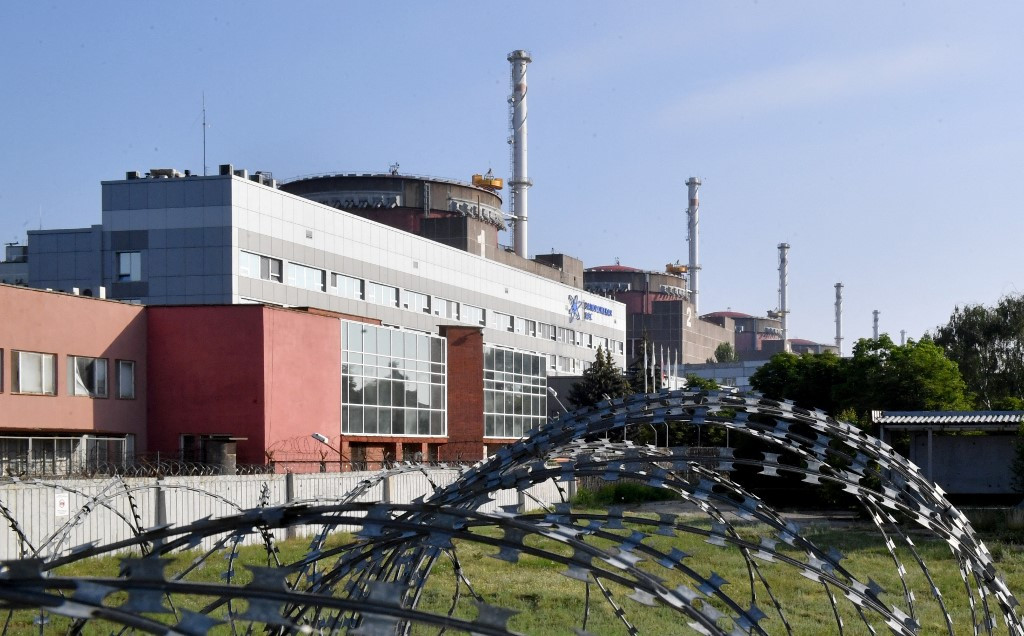
The Russian-occupied Zaporizhzhia Nuclear Power Plant has lost its final external power connection, forcing the facility to rely on emergency diesel generators.
 🛡️War & Security
Photo: Kyiv Post
Key points
- Zaporizhzhia plant lost its last external power line on November 8.
- The facility is currently operating on emergency diesel generators.
- This is the 16th external power blackout at the plant in 2026.
The Zaporizhzhia Nuclear Power Plant (ZNPP) experienced a total loss of external electricity early Sunday, November 8, after its last functional 330 kV transmission line, Ferrosplavna-1, disconnected from the Ukrainian power grid. State operator Energoatom confirmed that automatic reconnection attempts failed, leaving the facility dependent on backup diesel generators to maintain essential safety systems.
This incident marks the 16th time the plant has suffered an external power failure in 2026. Although all six reactors are currently in cold shutdown, the facility requires a constant supply of electricity to operate coolant circulation pumps and radiation sensors. Energoatom warned that prolonged reliance on diesel generators poses a severe risk of equipment failure or fuel shortages, which could potentially lead to a radiation accident.
Intelligence reports highlight the logistical strain of maintaining the site, which requires approximately 150 metric tons of diesel fuel daily during a full blackout. Furthermore, the facility faces ongoing operational challenges due to declining water levels in the primary cooling pond, which have dropped below the optimal threshold required for safety operations.
The stakes
The continued instability of the plant's power supply threatens regional nuclear safety. If the emergency generator systems fail due to mechanical issues or fuel depletion, the risk of a catastrophic radiation leak increases significantly. This situation leaves the facility's safety entirely dependent on the reliability of backup equipment under difficult wartime conditions.
Two readings
- Supporters of the Ukrainian position argue that the repeated blackouts are a direct consequence of the Russian occupation and underscore the urgent need for the plant's demilitarization.
- Russian authorities in control of the facility typically frame these disruptions as technical failures or consequences of Ukrainian military activity in the region.
Source Kyiv Post — kyivpost.com/post/89468 ↗
Read next
 ✒️Opinion & Analysis
ICJ Rules Myanmar Military Committed Genocide Against Rohingya
The International Court of Justice has found Myanmar's military guilty of genocide against the Rohingya, a ruling that damages the international standing of both Aung San…
 🕯️Democracy & Rights
Chinese teachers face rising parental pressure over personal life choices
Chinese educators are encountering a surge in unreasonable demands from parents, including complaints regarding teachers' pregnancy and maternity leave.
 🏮China & Taiwan
Beijing Reaffirms Reunification Stance Following Taiwan Local Election Results
China’s Taiwan Affairs Office declared that the island’s reunification with the mainland remains inevitable, despite recent shifts in Taiwan's local political landscape.
 🇪🇺Europe
US Air Force Repels Unauthorized Drone Incursion at RAF Lakenheath
U.S. security forces at a British air base successfully countered a group of unidentified drones, amid growing concerns over potential foreign state involvement.
 ⚖️Law & Policy
India Government Proposes 50% Increase in Parliamentary Seats and Women's Reservation
The Indian government plans to introduce legislation to expand the Lok Sabha to 850 seats and mandate a 33% reservation for women in legislative bodies.
 ⚖️Law & Policy
India’s ruling alliance nears two-thirds majority for sweeping parliamentary expansion and delimitation bills
The National Democratic Alliance is nearing a two-thirds majority in Parliament to pass landmark legislation expanding the Lok Sabha by 50 percent and implementing a 33 p…