Russian Information Campaign Links Kaliningrad Air-Raid Sirens to NATO Aggression
Russian media outlets and commentators rapidly transformed a local air-raid alert in Kaliningrad into a narrative of a NATO-backed attack, despite official reports indicating no actual threat.
 🛡️War & Security
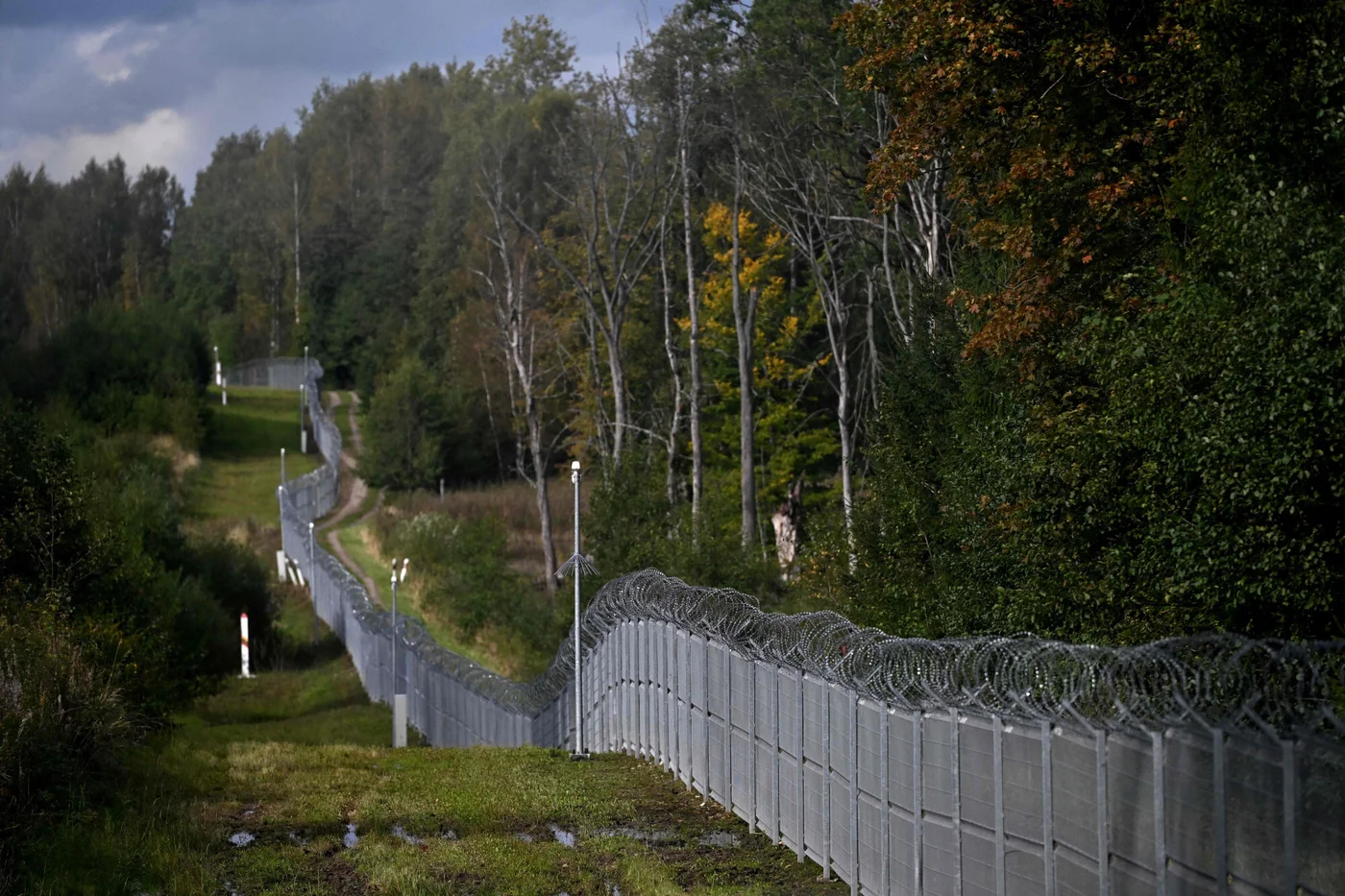
Photo: Euromaidan Press
Key points
- Russian media suppressed official statements of 'no threat' to promote a narrative of a NATO attack.
- The disinformation campaign utilized pre-existing scripts that had been circulating in Russian media for days.
- The strategy aims to discourage Western support for Ukraine by framing such aid as a direct path to conflict with Russia.
On the evening of November 21, air-raid sirens activated in the Russian exclave of Kaliningrad, triggering a coordinated information campaign that quickly reframed the event as a hostile action by NATO. While regional governor Alexey Besprozvannykh initially reported that the system had reacted to a suspicious aerial object from the direction of Lithuania before confirming there was no actual threat, state-aligned media and digital influencers rapidly purged the latter detail. Within hours, the incident was being characterized across Russian platforms as a coordinated NATO attack.
Analysis of digital traffic suggests the narrative was not an improvisation but a pre-planned script. Days prior to the sirens, Russian-language commentators had begun circulating theories regarding potential false-flag operations in the region. The narrative gained momentum following a separate incident involving a drone strike on a vessel in the Gulf of Finland, which military analysts immediately linked to the Kaliningrad alert to suggest a broader Western blockade rehearsal.
The rapid escalation of this rhetoric serves multiple strategic purposes for the Kremlin. By framing the incident as a NATO-led provocation, the state avoids acknowledging the reach of Ukrainian drone capabilities while reinforcing domestic narratives that Russia is engaged in an existential conflict with the Western alliance. This approach also seeks to increase the perceived political cost of supporting Ukraine among Baltic and Western audiences by suggesting that such aid invites direct military retaliation.
The stakes
The primary beneficiaries of this narrative are Russian state actors seeking to justify domestic mobilization and deter Western support for Kyiv. Conversely, Lithuania and other Baltic states face increased internal pressure and heightened public anxiety, as the misinformation campaign aims to erode support for regional security alliances and aid to Ukraine.
Two readings
- Supporters of the narrative interpret the events as evidence of an escalating, real-world threat posed by NATO and Ukraine against sovereign Russian territory.
- Critics and security analysts view the incident as a textbook example of a pre-planned disinformation campaign designed to manufacture a crisis for domestic and international political leverage.
Source Euromaidan Press — euromaidanpress.com/2026/11/27/lithuania-was-late-to-debunk-russias-nat… ↗
Read next
 ✒️Opinion & Analysis
ICJ Rules Myanmar Military Committed Genocide Against Rohingya
The International Court of Justice has found Myanmar's military guilty of genocide against the Rohingya, a ruling that damages the international standing of both Aung San…
 🕯️Democracy & Rights
Chinese teachers face rising parental pressure over personal life choices
Chinese educators are encountering a surge in unreasonable demands from parents, including complaints regarding teachers' pregnancy and maternity leave.
 🏮China & Taiwan
Beijing Reaffirms Reunification Stance Following Taiwan Local Election Results
China’s Taiwan Affairs Office declared that the island’s reunification with the mainland remains inevitable, despite recent shifts in Taiwan's local political landscape.
 🇪🇺Europe
US Air Force Repels Unauthorized Drone Incursion at RAF Lakenheath
U.S. security forces at a British air base successfully countered a group of unidentified drones, amid growing concerns over potential foreign state involvement.
 ⚖️Law & Policy
India Government Proposes 50% Increase in Parliamentary Seats and Women's Reservation
The Indian government plans to introduce legislation to expand the Lok Sabha to 850 seats and mandate a 33% reservation for women in legislative bodies.
 ⚖️Law & Policy
India’s ruling alliance nears two-thirds majority for sweeping parliamentary expansion and delimitation bills
The National Democratic Alliance is nearing a two-thirds majority in Parliament to pass landmark legislation expanding the Lok Sabha by 50 percent and implementing a 33 p…