Ukraine Reports Surge in Russian Strikes Targeting Food Production Infrastructure
Ukraine’s Defense Ministry reports a record number of Russian strikes on food processing plants and storage facilities in 2026, coinciding with the annual commemoration of the Holodomor famine.
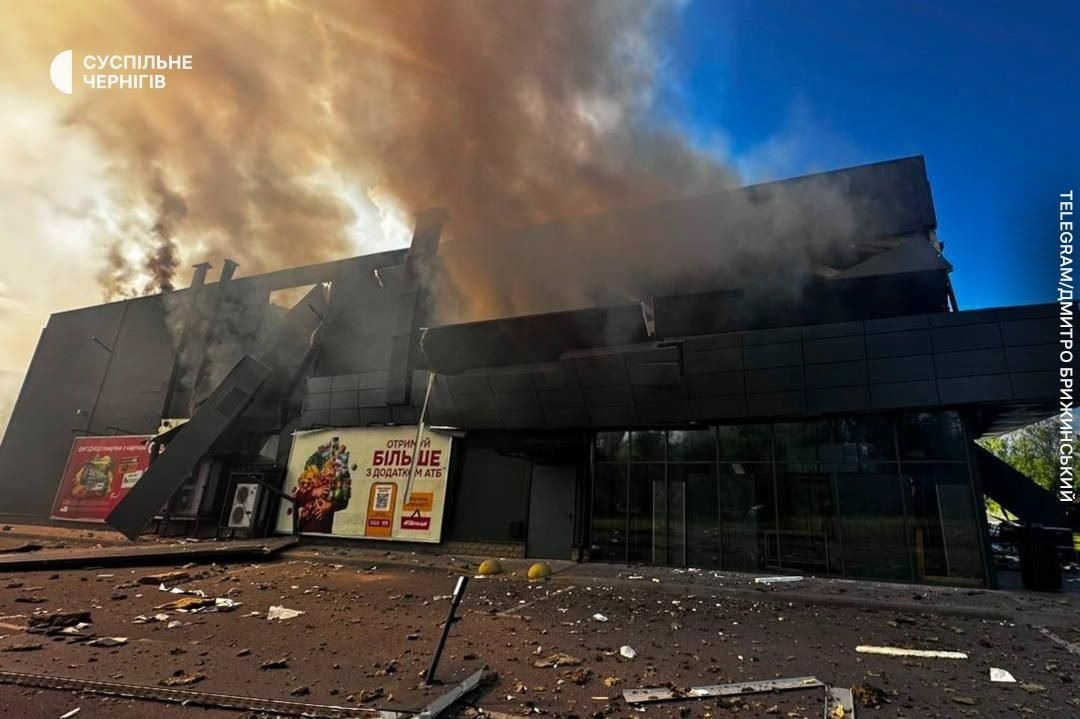 🛡️War & Security
Photo: Euromaidan Press
Key points
- Russia has struck food-related infrastructure 62 times in 2026.
- Key producers like Kernel and Oleina have been forced to halt operations.
- Ukraine accuses Russia of violating international law by targeting civilian survival objects.
The Ukrainian Ministry of Defense reported that Russian forces have conducted at least 62 strikes against the nation's food production and storage facilities since the beginning of 2026. This figure represents a significant escalation, nearly doubling the total number of such attacks recorded throughout the previous years of the full-scale conflict. The data was released on 28 November, the date Ukraine marks as Holodomor Remembrance Day to honor victims of the 1932-1933 man-made famine.
Recent incidents include repeated strikes on the Oleina plant in Dnipro, which processes substantial quantities of oilseeds, and the destruction of the Korolivskyi Smak facility in Kirovohrad Oblast, where a drone strike resulted in a fatal fire that halted all operations. Furthermore, Kernel, the country's largest oil producer, suspended operations at all eight of its extraction plants following a drone attack on its infrastructure in mid-November.
Beyond direct hits, the threat of ongoing bombardment and systemic power outages has forced additional facilities, including bread and pasta manufacturers in Kremenchuk, to cease production. The Ministry of Defense emphasized that these sites are protected civilian infrastructure, noting that targeting objects essential for civilian survival is prohibited under the Geneva Conventions and constitutes a war crime under the Rome Statute.
The stakes
The systematic targeting of Ukraine's agricultural processing sector risks undermining national food security and disrupting global supply chains. If these strikes continue, Ukraine faces a potential collapse of its domestic food processing capacity, which would increase reliance on imports and exacerbate the economic strain caused by the ongoing war.
Two readings
- Supporters of the Ukrainian position argue that these strikes are a deliberate strategy of economic warfare designed to weaponize hunger and mirror the historical trauma of the Holodomor.
- Critics or those aligned with Russian military policy typically characterize these facilities as legitimate targets if they are perceived to support the war effort or are integrated into dual-use logistical networks.
Source Euromaidan Press — euromaidanpress.com/2026/11/28/ukraine-remembers-stalins-man-made-famin… ↗
Read next
 ✒️Opinion & Analysis
ICJ Rules Myanmar Military Committed Genocide Against Rohingya
The International Court of Justice has found Myanmar's military guilty of genocide against the Rohingya, a ruling that damages the international standing of both Aung San…
 🕯️Democracy & Rights
Chinese teachers face rising parental pressure over personal life choices
Chinese educators are encountering a surge in unreasonable demands from parents, including complaints regarding teachers' pregnancy and maternity leave.
 🏮China & Taiwan
Beijing Reaffirms Reunification Stance Following Taiwan Local Election Results
China’s Taiwan Affairs Office declared that the island’s reunification with the mainland remains inevitable, despite recent shifts in Taiwan's local political landscape.
 🇪🇺Europe
US Air Force Repels Unauthorized Drone Incursion at RAF Lakenheath
U.S. security forces at a British air base successfully countered a group of unidentified drones, amid growing concerns over potential foreign state involvement.
 ⚖️Law & Policy
India Government Proposes 50% Increase in Parliamentary Seats and Women's Reservation
The Indian government plans to introduce legislation to expand the Lok Sabha to 850 seats and mandate a 33% reservation for women in legislative bodies.
 ⚖️Law & Policy
India’s ruling alliance nears two-thirds majority for sweeping parliamentary expansion and delimitation bills
The National Democratic Alliance is nearing a two-thirds majority in Parliament to pass landmark legislation expanding the Lok Sabha by 50 percent and implementing a 33 p…