IRGC Reports Tanker Explosions as Iran Rejects Nuclear Material Removal
The Islamic Revolutionary Guard Corps claims further naval mine strikes in the Strait of Hormuz, while Iranian officials remain defiant regarding their nuclear stockpile.
 🛡️War & Security
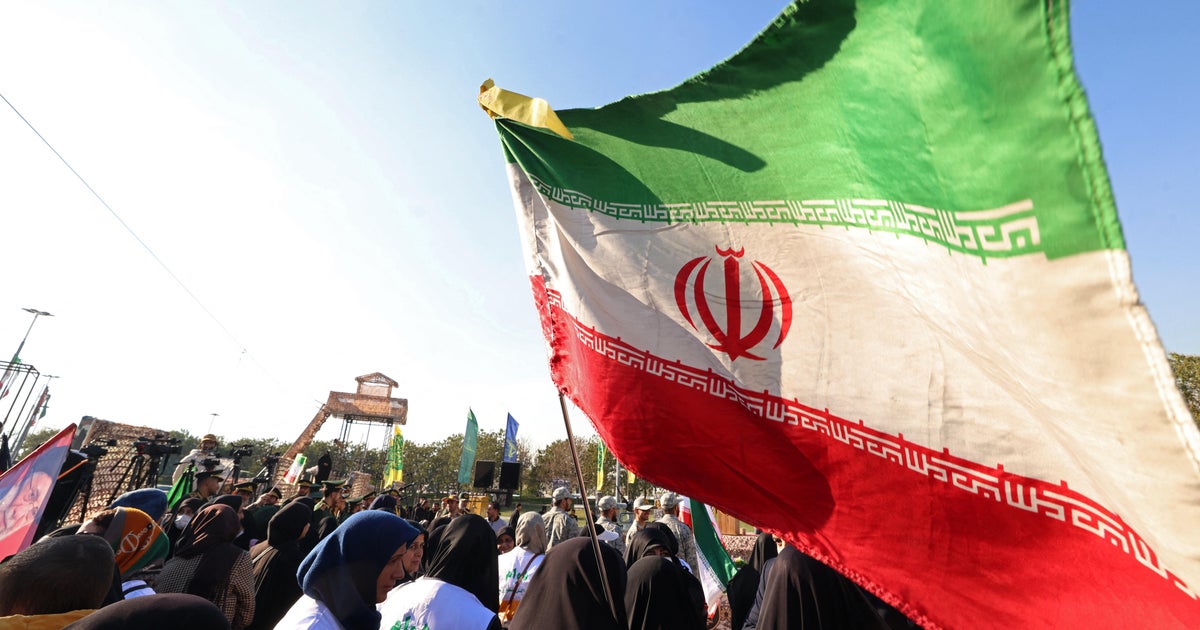
Photo: CBS World
Key points
- IRGC claims two more tankers struck mines in the Strait of Hormuz.
- Tehran refuses to surrender enriched nuclear material, stalling peace talks.
- Economic impact on Gulf nations projected to reach $790 billion by 2030.
The Islamic Revolutionary Guard Corps (IRGC) reported Wednesday that two additional oil tankers sustained massive explosions after striking naval mines in the Strait of Hormuz. Iranian officials alleged the vessels were traveling via unauthorized routes under the protection of U.S. military aircraft, a claim that underscores the ongoing maritime volatility in the region. This incident follows a series of similar reports involving commercial vessels in the strategic waterway, which remain a flashpoint for U.S.-Iran hostilities.
Simultaneously, Tehran has maintained a rigid stance on its nuclear program. Mohsen Rezaei, Secretary of the Supreme National Security Council, declared that Iran would not relinquish any enriched nuclear material, directly contradicting White House demands for a stockpile reduction as part of a potential peace agreement. While the U.S. insists on nuclear concessions as a prerequisite for ceasefire negotiations, Iranian leadership maintains that such discussions are contingent upon a total cessation of hostilities across all fronts, including Lebanon.
The broader economic consequences of the ongoing conflict are becoming increasingly clear. A recent report from Allianz Trade estimates that the cumulative cost of the war for Gulf Cooperation Council (GCC) nations could reach $790 billion by 2030. With over 80 energy facilities damaged, the regional economic output is projected to face a significant long-term deficit compared to pre-war growth trends.
The stakes
The escalation in the Strait of Hormuz threatens global energy security and risks further military entanglement between U.S. forces and the IRGC. If the current deadlock over nuclear material and ceasefire preconditions persists, the region faces prolonged economic stagnation and the potential for a wider, more destructive military confrontation.
Two readings
- Supporters of the current U.S. policy argue that maintaining maximum pressure and strict preconditions on nuclear disarmament is the only way to prevent Iran from developing a weapon.
- Critics of the administration's approach contend that the refusal to decouple humanitarian and ceasefire talks from the nuclear issue exacerbates regional instability and prevents a necessary de-escalation.
Source CBS World — cbsnews.com/live-updates/iran-war-us-nuclear-strait-of-hormuz/ ↗
Read next
 ✒️Opinion & Analysis
ICJ Rules Myanmar Military Committed Genocide Against Rohingya
The International Court of Justice has found Myanmar's military guilty of genocide against the Rohingya, a ruling that damages the international standing of both Aung San…
 🕯️Democracy & Rights
Chinese teachers face rising parental pressure over personal life choices
Chinese educators are encountering a surge in unreasonable demands from parents, including complaints regarding teachers' pregnancy and maternity leave.
 🏮China & Taiwan
Beijing Reaffirms Reunification Stance Following Taiwan Local Election Results
China’s Taiwan Affairs Office declared that the island’s reunification with the mainland remains inevitable, despite recent shifts in Taiwan's local political landscape.
 🇪🇺Europe
US Air Force Repels Unauthorized Drone Incursion at RAF Lakenheath
U.S. security forces at a British air base successfully countered a group of unidentified drones, amid growing concerns over potential foreign state involvement.
 ⚖️Law & Policy
India Government Proposes 50% Increase in Parliamentary Seats and Women's Reservation
The Indian government plans to introduce legislation to expand the Lok Sabha to 850 seats and mandate a 33% reservation for women in legislative bodies.
 ⚖️Law & Policy
India’s ruling alliance nears two-thirds majority for sweeping parliamentary expansion and delimitation bills
The National Democratic Alliance is nearing a two-thirds majority in Parliament to pass landmark legislation expanding the Lok Sabha by 50 percent and implementing a 33 p…