U.S. Establishes Task Force to Disrupt Iranian Ground Supply Routes
The U.S. Central Command has launched 'Task Force Iron Gate' to intercept illicit Iranian military and financial shipments across land borders and the Caspian Sea.
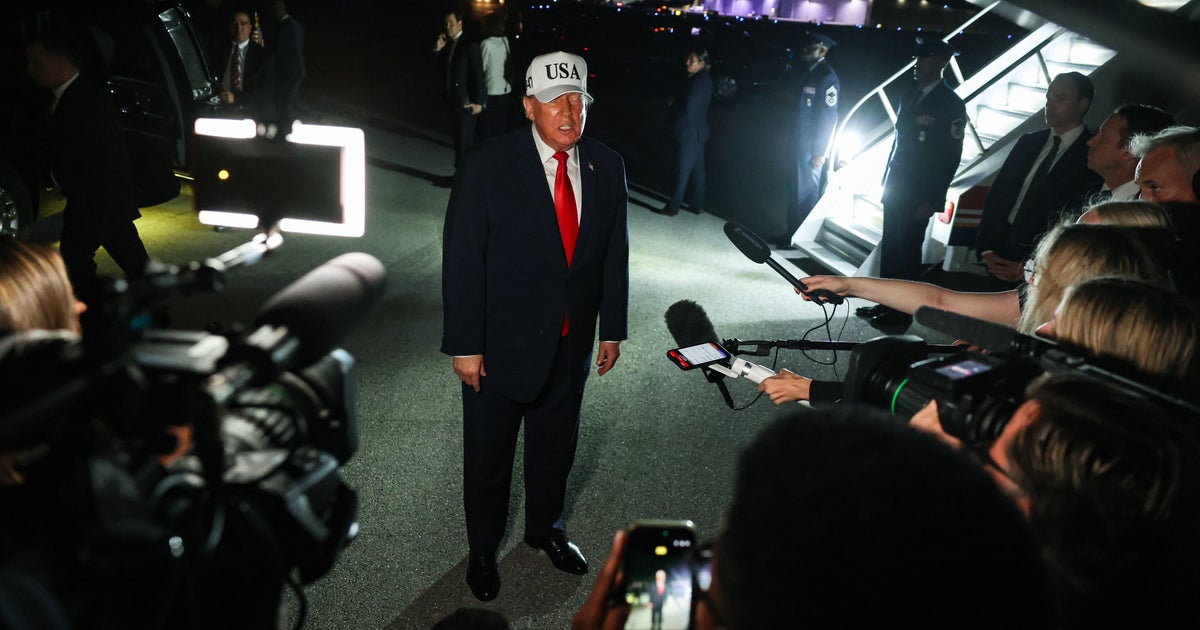 🤝Diplomacy
Photo: CBS Politics
Key points
- Task Force Iron Gate targets Iranian ground and Caspian Sea supply routes.
- Iran has officially lifted the 1,200-mile range limit on its ballistic missile program.
- Regional tensions remain high following missile attacks on Riyadh and civilian casualties in Yemen.
The United States has inaugurated a new military-led initiative, Task Force Iron Gate, designed to expand its existing maritime blockade of Iran into land-based and Caspian Sea supply routes. According to U.S. Central Command, the task force—comprised of approximately 20 personnel—aims to curb the movement of advanced weapons systems, dual-use technology, and illegal revenue streams that bypass traditional naval checkpoints.
This escalation comes as tensions in the region intensify, marked by a recent surge in hostilities. On Sunday, Saudi-led coalition forces reported intercepting ballistic and cruise missiles launched by Houthi rebels toward Riyadh, resulting in minor infrastructure damage. Simultaneously, reports from Yemen indicate that a separate coalition airstrike in Sanaa province resulted in 33 civilian casualties, further complicating the ongoing conflict.
Tehran has dismissed the new U.S. task force as ineffective "wordplay," with the Revolutionary Guard asserting that Iran remains prepared to circumvent economic pressure. Meanwhile, Iranian military officials declared the removal of a long-standing 1,200-mile range limit on their ballistic missile program, signaling a potential shift in regional deterrence capabilities as the U.S. continues to enforce strict trade restrictions.
The stakes
The success of Task Force Iron Gate hinges on the U.S. ability to monitor land corridors through Central Asia and the Caspian Sea, a challenge significantly more complex than maritime interdiction. If effective, the mission could further isolate the Iranian economy and diminish its capacity to arm regional proxies; if it fails, it risks further emboldening Tehran to expand its missile capabilities and deepen land-based trade alliances with partners like China and Russia.
Two readings
- Supporters view the task force as a vital strategic necessity to close loopholes in the current blockade and prevent the proliferation of advanced weaponry to destabilizing actors.
- Critics argue that the initiative is an aggressive escalation that will likely fail to achieve economic collapse while provoking a more dangerous, unrestricted arms race in the region.
Source CBS Politics — cbsnews.com/live-updates/iran-war-trump-us-strait-hormuz-persian-gu… ↗
Read next
 ✒️Opinion & Analysis
ICJ Rules Myanmar Military Committed Genocide Against Rohingya
The International Court of Justice has found Myanmar's military guilty of genocide against the Rohingya, a ruling that damages the international standing of both Aung San…
 🕯️Democracy & Rights
Chinese teachers face rising parental pressure over personal life choices
Chinese educators are encountering a surge in unreasonable demands from parents, including complaints regarding teachers' pregnancy and maternity leave.
 🛡️War & Security
Ukraine Restricts Media Coverage of Infrastructure Damage Amid Russian Strikes
President Volodymyr Zelenskyy has issued a decree prohibiting media outlets from reporting on the impact of Russian strikes against critical infrastructure and the status…
 🏮China & Taiwan
Beijing Reaffirms Reunification Stance Following Taiwan Local Election Results
China’s Taiwan Affairs Office declared that the island’s reunification with the mainland remains inevitable, despite recent shifts in Taiwan's local political landscape.
 🇪🇺Europe
US Air Force Repels Unauthorized Drone Incursion at RAF Lakenheath
U.S. security forces at a British air base successfully countered a group of unidentified drones, amid growing concerns over potential foreign state involvement.
 ⚖️Law & Policy
India Government Proposes 50% Increase in Parliamentary Seats and Women's Reservation
The Indian government plans to introduce legislation to expand the Lok Sabha to 850 seats and mandate a 33% reservation for women in legislative bodies.