Former Qatari Prime Minister Confirms Secret Gulf Intelligence Ties With Israel
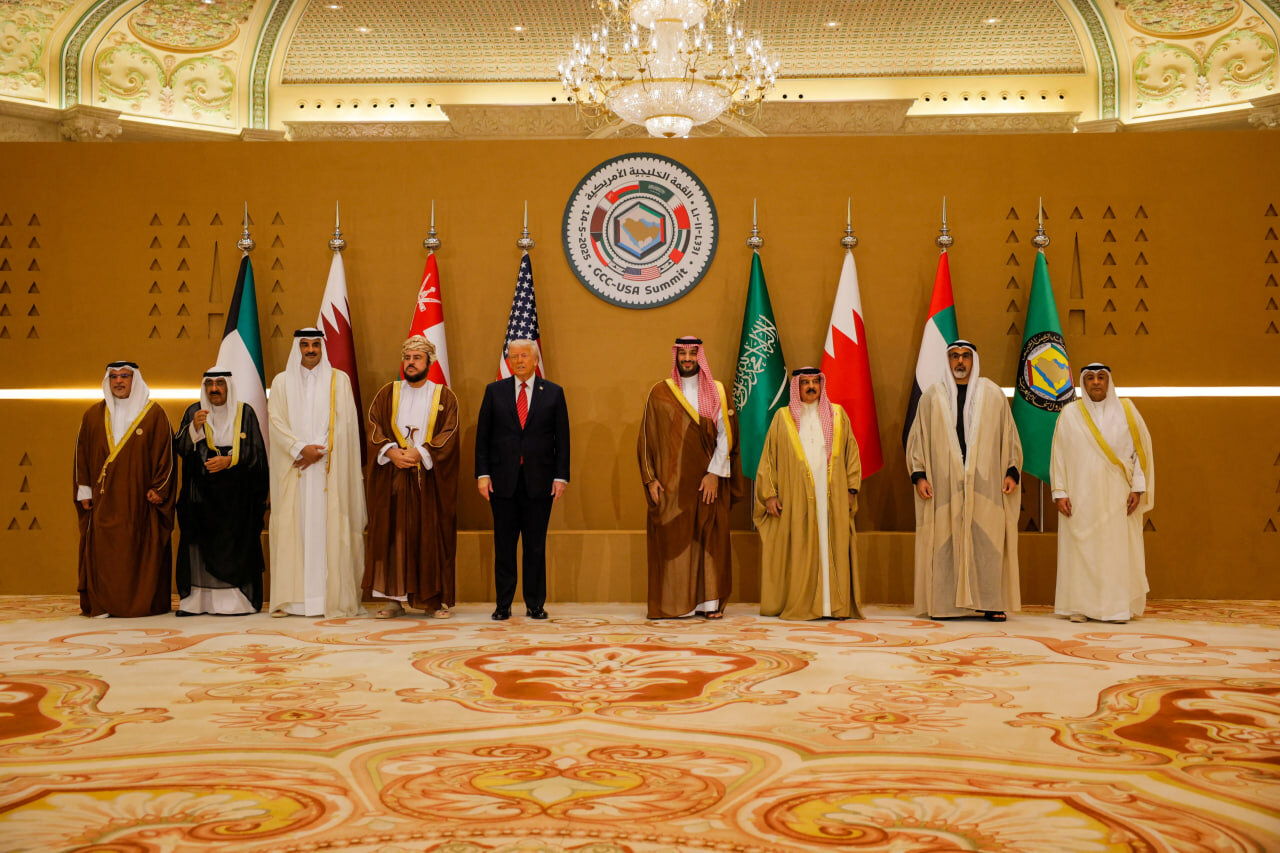
Former Qatari Prime Minister Hamad bin Jassim bin Jaber Al Thani has acknowledged that all six Persian Gulf monarchies maintain covert security and intelligence coordination with Israel.
 🤝Diplomacy
Photo: Tehran Times
Key points
- Hamad bin Jassim bin Jaber Al Thani confirmed covert Gulf-Israel intelligence ties.
- All six GCC monarchies maintain security links despite differing public diplomatic stances.
- Public opinion indices show overwhelming regional opposition to recognizing Israel.
Former Qatari Prime Minister Hamad bin Jassim bin Jaber Al Thani stated during an appearance on the Egyptian podcast “El Hal Eh?” that military and intelligence cooperation exists across all six states of the Persian Gulf Cooperation Council. While only the United Arab Emirates and Bahrain formalized diplomatic ties under the 2020 Abraham Accords, Al Thani’s remarks confirm that unacknowledged security links extend to Saudi Arabia, Qatar, Kuwait, and Oman.
Al Thani recalled that Doha previously established an Israeli trade office in 1996 and noted that he maintains personal contacts with Israeli figures. He cautioned that Israeli Prime Minister Benjamin Netanyahu anticipates a reduction in the American military presence in the region and hopes Persian Gulf leadership will eventually turn to Tel Aviv for security guarantees. To counter this, Al Thani advocated for the formation of an independent regional defense pact among three or four Arab nations.
Public opinion across the region remains sharply at odds with these behind-the-scenes arrangements. Data from the 2025 Arab Opinion Index shows that 94 percent of Kuwaitis and 89 percent of Qataris reject recognizing Israel, highlighting a profound divergence between popular sentiment and governmental strategy as authorities navigate shared regional concerns regarding Iran.
The stakes
Secret intelligence collaboration reshapes the strategic balance of the Middle East, benefiting governments seeking American and Israeli security backing against shared adversaries while risking severe domestic blowback as regional populations overwhelmingly oppose normalization without Palestinian statehood.
Two readings
- Supporters view pragmatic security integration as an essential defense against common threats and a practical necessity for regional stability.
- Critics argue that covert coordination betrays public commitments to Palestinian rights and widens the gulf between autocratic governments and their citizens.
Source Tehran Times — tehrantimes.com/news/532620/Ex-Qatari-PM-admits-6-Arab-monarchies-r… ↗
Read next
 ✒️Opinion & Analysis
ICJ Rules Myanmar Military Committed Genocide Against Rohingya
The International Court of Justice has found Myanmar's military guilty of genocide against the Rohingya, a ruling that damages the international standing of both Aung San…
 🕯️Democracy & Rights
Chinese teachers face rising parental pressure over personal life choices
Chinese educators are encountering a surge in unreasonable demands from parents, including complaints regarding teachers' pregnancy and maternity leave.
 🛡️War & Security
Ukraine Restricts Media Coverage of Infrastructure Damage Amid Russian Strikes
President Volodymyr Zelenskyy has issued a decree prohibiting media outlets from reporting on the impact of Russian strikes against critical infrastructure and the status…
 🏮China & Taiwan
Beijing Reaffirms Reunification Stance Following Taiwan Local Election Results
China’s Taiwan Affairs Office declared that the island’s reunification with the mainland remains inevitable, despite recent shifts in Taiwan's local political landscape.
 🇪🇺Europe
US Air Force Repels Unauthorized Drone Incursion at RAF Lakenheath
U.S. security forces at a British air base successfully countered a group of unidentified drones, amid growing concerns over potential foreign state involvement.
 ⚖️Law & Policy
India Government Proposes 50% Increase in Parliamentary Seats and Women's Reservation
The Indian government plans to introduce legislation to expand the Lok Sabha to 850 seats and mandate a 33% reservation for women in legislative bodies.