Iran and United States Exchange Messages via Qatari and Pakistani Intermediaries
Iran's ambassador to Pakistan confirmed that Tehran and Washington are exchanging diplomatic communications through regional intermediaries Qatar and Pakistan.
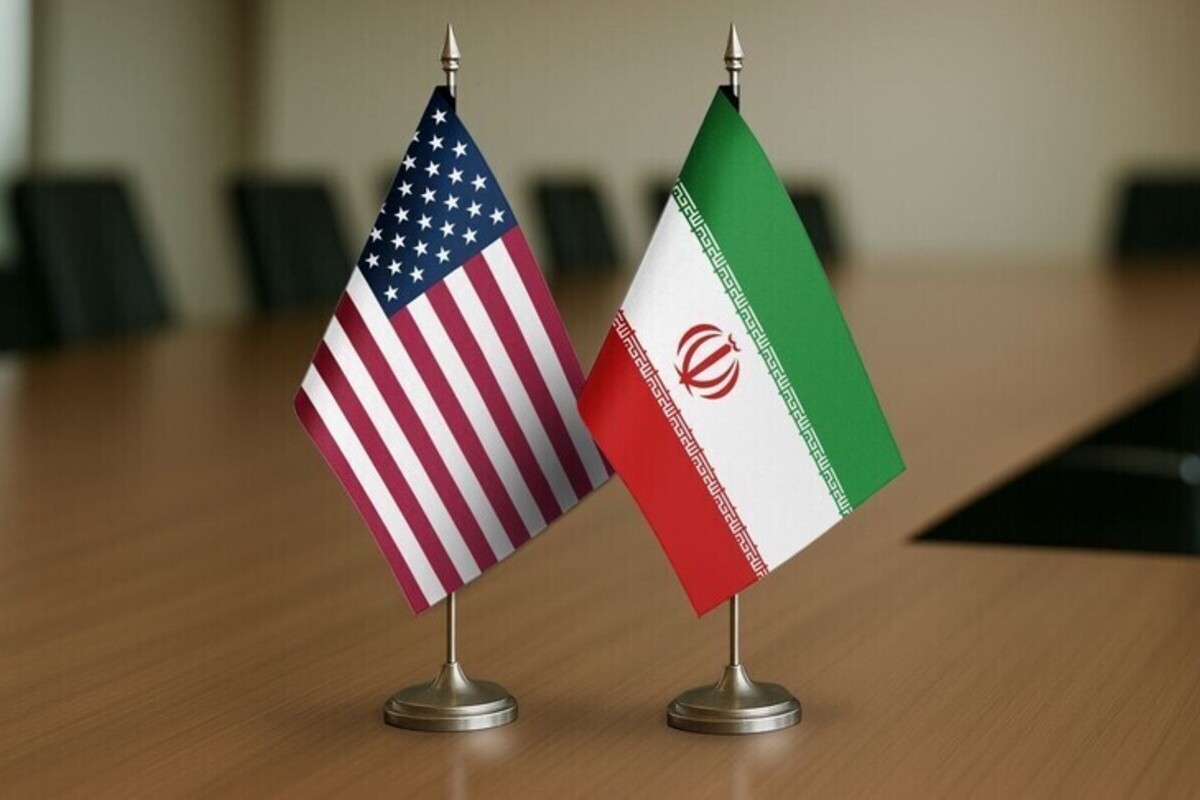 🤝Diplomacy
Photo: Middle East Monitor
Key points
- Iran and the US are exchanging messages via Qatar and Pakistan.
- Iranian Foreign Minister Abbas Araghchi is participating in the review of mediator proposals.
- Tehran also voiced support for Chinese and Russian diplomatic initiatives regarding Yemen.
Iran and the United States are actively communicating through third-party intermediaries in Qatar and Pakistan, according to statements made by Iran's Ambassador to Pakistan, Reza Amiri Moghadam, and reported by the Mehr News Agency. Ambassador Moghadam indicated that Tehran is currently evaluating a series of proposals presented by the two mediators, with Iranian Foreign Minister Abbas Araghchi directly involved in the diplomatic engagement. Specific details regarding the substance of these proposals were not made public by the envoy.
The diplomatic exchanges occur against a backdrop of persistent regional instability following military escalations involving the United States, Israel, and Iran. Alongside the talks with Western intermediaries, Ambassador Moghadam noted that Tehran supports diplomatic efforts spearheaded by Beijing and Moscow aimed at resolving the conflict in Yemen and acknowledging existing geopolitical realities.
The stakes
Should these indirect channels lead to substantive negotiations, both nations could de-escalate ongoing regional hostilities and prevent further military confrontation. Conversely, a failure of these talks risks entrenching existing hostilities, increasing the likelihood of broader regional conflict and severe diplomatic standoffs.
Two readings
- Supporters read the indirect communications as a pragmatic channel to prevent miscalculation and explore viable pathways toward diplomatic de-escalation.
- Critics read the quiet exchanges as a sign of tactical maneuvering that fails to address the fundamental security grievances driving the conflict.
Source Middle East Monitor — middleeastmonitor.com/20261128-iran-us-exchange-messages-through-qa… ↗
Read next
 ✒️Opinion & Analysis
ICJ Rules Myanmar Military Committed Genocide Against Rohingya
The International Court of Justice has found Myanmar's military guilty of genocide against the Rohingya, a ruling that damages the international standing of both Aung San…
 🕯️Democracy & Rights
Chinese teachers face rising parental pressure over personal life choices
Chinese educators are encountering a surge in unreasonable demands from parents, including complaints regarding teachers' pregnancy and maternity leave.
 🛡️War & Security
Ukraine Restricts Media Coverage of Infrastructure Damage Amid Russian Strikes
President Volodymyr Zelenskyy has issued a decree prohibiting media outlets from reporting on the impact of Russian strikes against critical infrastructure and the status…
 🏮China & Taiwan
Beijing Reaffirms Reunification Stance Following Taiwan Local Election Results
China’s Taiwan Affairs Office declared that the island’s reunification with the mainland remains inevitable, despite recent shifts in Taiwan's local political landscape.
 🇪🇺Europe
US Air Force Repels Unauthorized Drone Incursion at RAF Lakenheath
U.S. security forces at a British air base successfully countered a group of unidentified drones, amid growing concerns over potential foreign state involvement.
 ⚖️Law & Policy
India Government Proposes 50% Increase in Parliamentary Seats and Women's Reservation
The Indian government plans to introduce legislation to expand the Lok Sabha to 850 seats and mandate a 33% reservation for women in legislative bodies.