Cape Verde President José Maria Neves seeks second term in general election
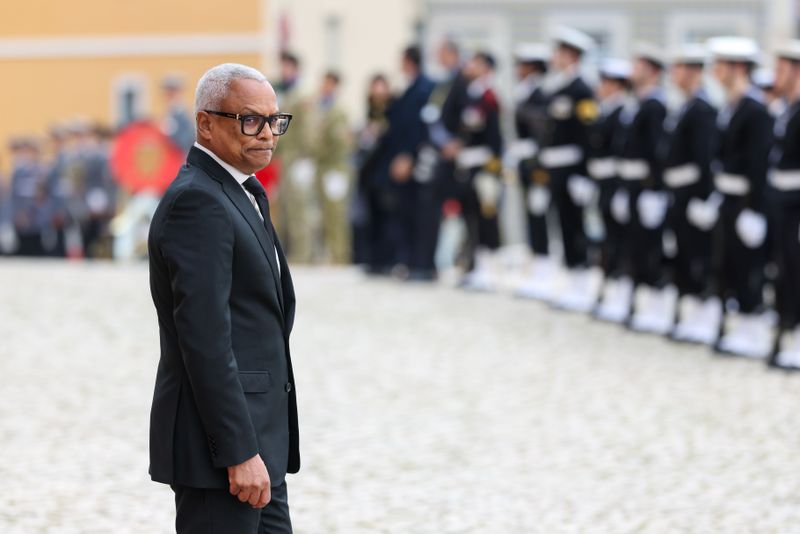
Cape Verde President José Maria Neves is seeking a second term on Sunday against former justice minister Joana Rosa. A win would consolidate power for the ruling PAICV following its parliamentary victory earlier this year.
 🤝Diplomacy
Photo: Daily Maverick
Key points
- President José Maria Neves faces Joana Rosa in Cape Verde's presidential election on Sunday.
- A Neves victory would consolidate executive power for the African Party for the Independence of Cape Verde.
- Key campaign issues focus on youth emigration, foreign investment, and institutional balance of power.
Cape Verde President José Maria Neves is positioned to secure a second term in Sunday's presidential election, potentially consolidating full control for the ruling African Party for the Independence of Cape Verde.
Neves, who previously served 15 years as prime minister starting in 2001, faces former justice minister Joana Rosa, the island nation's first female presidential candidate representing the Movement for Democracy. The election follows May's parliamentary vote in which the ruling party secured 37 of 72 legislative seats, placing Francisco Carvalho at the head of government. Under Cape Verde's semi-presidential system, the prime minister manages executive government, while the president exercises veto authority and acts as a constitutional mediator.
Campaign discussions have focused on economic development and stopping the outflow of young citizens. Rosa has warned that youth emigration damages domestic stability and slows long-term growth, advocating for increased foreign investment and institutional balance against single-party dominance. Neves has pledged to foster inclusive growth, propose a youth employment initiative, and host a long-term development forum to improve living standards across the Atlantic archipelago of roughly 500,000 residents.
The stakes
A victory for Neves would grant the ruling party complete alignment across executive offices, ending a decade of divided government following the Movement for Democracy's ten-year parliamentary tenure. While full control enables swift policy execution, critics argue that concentrating executive and presidential authority within one party risks weakening constitutional oversight.
Two readings
- Supporters contend that a second term for Neves ensures institutional continuity and administrative harmony between the presidency and cabinet, accelerating national economic plans.
- Opponents argue that placing both the presidency and government in ruling party hands undermines democratic checks and balances needed to ensure balanced policymaking.
Source Daily Maverick — dailymaverick.co.za/article/2026-11-13-cape-verde-president-eyes-ne… ↗
Read next
 ✒️Opinion & Analysis
ICJ Rules Myanmar Military Committed Genocide Against Rohingya
The International Court of Justice has found Myanmar's military guilty of genocide against the Rohingya, a ruling that damages the international standing of both Aung San…
 🕯️Democracy & Rights
Chinese teachers face rising parental pressure over personal life choices
Chinese educators are encountering a surge in unreasonable demands from parents, including complaints regarding teachers' pregnancy and maternity leave.
 🛡️War & Security
Ukraine Restricts Media Coverage of Infrastructure Damage Amid Russian Strikes
President Volodymyr Zelenskyy has issued a decree prohibiting media outlets from reporting on the impact of Russian strikes against critical infrastructure and the status…
 🏮China & Taiwan
Beijing Reaffirms Reunification Stance Following Taiwan Local Election Results
China’s Taiwan Affairs Office declared that the island’s reunification with the mainland remains inevitable, despite recent shifts in Taiwan's local political landscape.
 🇪🇺Europe
US Air Force Repels Unauthorized Drone Incursion at RAF Lakenheath
U.S. security forces at a British air base successfully countered a group of unidentified drones, amid growing concerns over potential foreign state involvement.
 ⚖️Law & Policy
India Government Proposes 50% Increase in Parliamentary Seats and Women's Reservation
The Indian government plans to introduce legislation to expand the Lok Sabha to 850 seats and mandate a 33% reservation for women in legislative bodies.