Mexico Falls Far Short of Water Delivery Commitments Under U.S. Treaty
Mexico has delivered less than one percent of the water it owes the United States under a bilateral treaty, hampered by severely depleted border dams and ongoing regional supply strains.
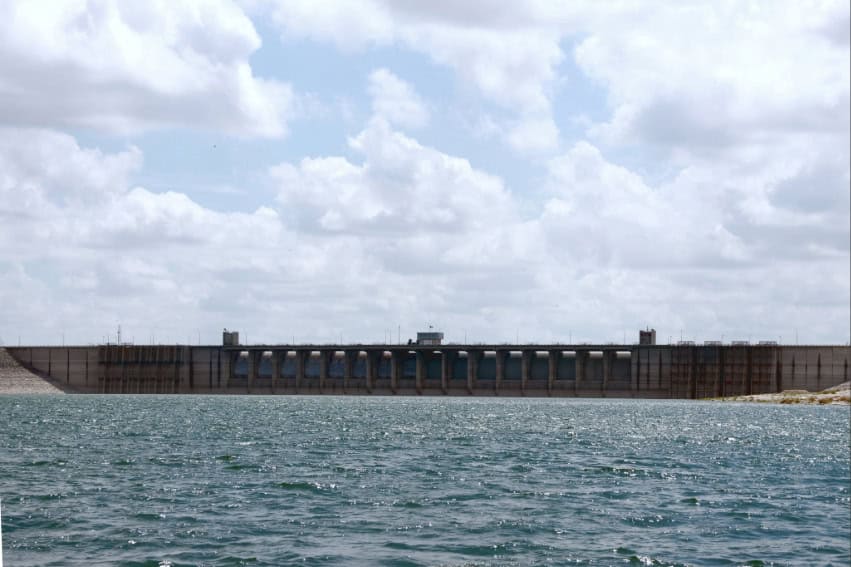 🤝Diplomacy
Photo: Mexico News Daily
Key points
- Mexico delivered only 3,159 acre-feet of an 865,139 acre-feet deficit.
- Border reservoirs La Amistad and Falcon sit below 30% capacity.
- Both nations previously signed a pact in October to ease repayment.
Mexico has fulfilled only a fraction of its water-delivery obligations to the United States under a longstanding bilateral agreement, covering a mere 0.36 percent of the deficit accumulated during the 2020–2025 water-sharing cycle. Data released by the U.S. section of the International Boundary and Water Commission (IBWC) show that Mexico transferred just 3,159 acre-feet this year out of the 865,139 acre-feet owed from the previous five-year period.
Under the 1944 water treaty governing the Río Bravo, known in the U.S. as the Rio Grande, Mexico is required to supply a minimum annual average of 350,000 acre-feet. Although the two nations signed an agreement in October aimed at easing repayment schedules through reduced consumption, compliance has lagged due to critically low reserves. International border reservoirs La Amistad and Falcon remain severely depleted, sitting at 28 percent and 17 percent of capacity respectively.
Experts note that declining basin reserves threaten not only treaty compliance but also domestic supplies on both sides of the frontier. While some analysts suggest modernizing the 1944 framework to address contemporary environmental realities, broader bilateral frictions and trade priorities complicate any prospect of immediate diplomatic renegotiation.
The stakes
Washington gains leverage on cross-border resource management, while Mexican authorities face immense domestic agricultural pressure and diplomatic friction. If the shortfall persists without a revision of quotas or replenished reserves, bilateral tensions over shared water security are bound to escalate significantly.
Two readings
- Supporters of strict enforcement argue that honoring the 1944 treaty is vital for downstream U.S. agricultural communities and upholds the rule of international agreements.
- Critics and regional experts contend that rigid quotas fail to account for severe regional droughts, making treaty revisions necessary to prevent unsustainable resource drains.
Source Mexico News Daily — mexiconewsdaily.com/news/mexico-delivered-less-than-1-percnet-water-owe… ↗
Read next
 ✒️Opinion & Analysis
ICJ Rules Myanmar Military Committed Genocide Against Rohingya
The International Court of Justice has found Myanmar's military guilty of genocide against the Rohingya, a ruling that damages the international standing of both Aung San…
 🕯️Democracy & Rights
Chinese teachers face rising parental pressure over personal life choices
Chinese educators are encountering a surge in unreasonable demands from parents, including complaints regarding teachers' pregnancy and maternity leave.
 🛡️War & Security
Ukraine Restricts Media Coverage of Infrastructure Damage Amid Russian Strikes
President Volodymyr Zelenskyy has issued a decree prohibiting media outlets from reporting on the impact of Russian strikes against critical infrastructure and the status…
 🏮China & Taiwan
Beijing Reaffirms Reunification Stance Following Taiwan Local Election Results
China’s Taiwan Affairs Office declared that the island’s reunification with the mainland remains inevitable, despite recent shifts in Taiwan's local political landscape.
 🇪🇺Europe
US Air Force Repels Unauthorized Drone Incursion at RAF Lakenheath
U.S. security forces at a British air base successfully countered a group of unidentified drones, amid growing concerns over potential foreign state involvement.
 ⚖️Law & Policy
India Government Proposes 50% Increase in Parliamentary Seats and Women's Reservation
The Indian government plans to introduce legislation to expand the Lok Sabha to 850 seats and mandate a 33% reservation for women in legislative bodies.