South Korean Foreign Minister Urges Pragmatic Cooperation With China
South Korean Foreign Minister Cho Hyun has called for a balanced approach toward China, rejecting both fear and underestimation of its influence. The statement precedes a high-level APEC summit where Seoul aims to strengthen bilateral ties.
 🤝Diplomacy
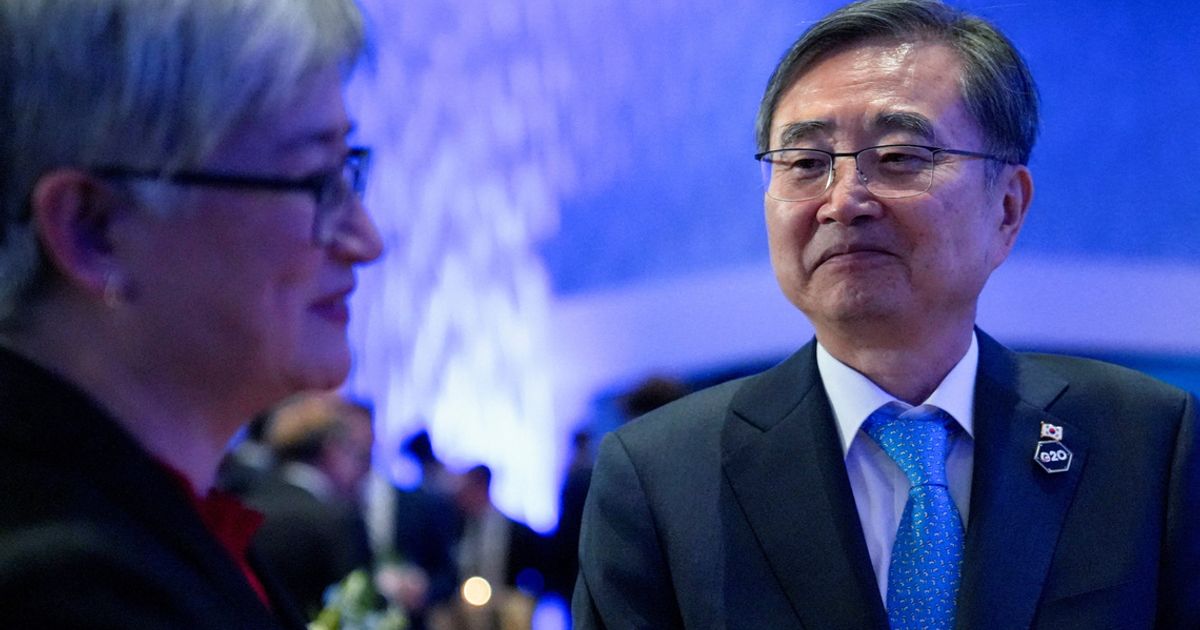
Photo: Straits Times Asia
Key points
- Foreign Minister Cho Hyun calls for a balanced, pragmatic approach to China.
- Seoul aims to improve bilateral relations ahead of the APEC summit in Shenzhen.
- China signals interest in expanding cooperation in AI and biomedicine sectors.
South Korean Foreign Minister Cho Hyun has urged the nation to adopt a pragmatic stance toward China, advising against both excessive fear and the underestimation of Beijing's growing capabilities. Following a meeting with Chinese Foreign Minister Wang Yi in Beijing, Cho emphasized the necessity of fostering mutually beneficial cooperation that leverages the creative potential of both South Korean and Chinese industries.
The diplomatic outreach comes as South Korea prepares for the upcoming Asia-Pacific Economic Cooperation (APEC) summit in Shenzhen. President Lee Jae Myung is scheduled to attend the event, which will include a dinner hosted by Chinese President Xi Jinping. This engagement is viewed as a significant step in the current administration's efforts to mend ties with its largest trading partner, following a period of strain under the previous government.
During their discussions, Wang Yi expressed China's interest in deepening collaboration across both traditional and emerging sectors, specifically highlighting artificial intelligence and biomedicine. While Seoul continues to prioritize its security alliance with the United States, the Lee administration is actively seeking to stabilize its relationship with Beijing to ensure regional economic stability.
The stakes
The success of this diplomatic pivot depends on Seoul's ability to balance its security commitments to Washington with its economic reliance on China. If the outreach succeeds, South Korea stands to gain improved market access and reduced regional tensions; if it fails, the country risks further economic volatility and being caught in the middle of escalating U.S.-China geopolitical friction.
Two readings
- Supporters argue that a pragmatic, non-confrontational approach is essential for South Korea’s economic health and regional security, framing it as a necessary correction to previous diplomatic rigidity.
- Critics express concern that closer alignment with Beijing could undermine South Korea’s strategic alliance with the United States and potentially signal a weakening of its stance on regional security issues.
Source Straits Times Asia — straitstimes.com/asia/south-korea-should-not-fear-chinas-rise-forei… ↗
Read next
 ✒️Opinion & Analysis
ICJ Rules Myanmar Military Committed Genocide Against Rohingya
The International Court of Justice has found Myanmar's military guilty of genocide against the Rohingya, a ruling that damages the international standing of both Aung San…
 🕯️Democracy & Rights
Chinese teachers face rising parental pressure over personal life choices
Chinese educators are encountering a surge in unreasonable demands from parents, including complaints regarding teachers' pregnancy and maternity leave.
 🛡️War & Security
Ukraine Restricts Media Coverage of Infrastructure Damage Amid Russian Strikes
President Volodymyr Zelenskyy has issued a decree prohibiting media outlets from reporting on the impact of Russian strikes against critical infrastructure and the status…
 🏮China & Taiwan
Beijing Reaffirms Reunification Stance Following Taiwan Local Election Results
China’s Taiwan Affairs Office declared that the island’s reunification with the mainland remains inevitable, despite recent shifts in Taiwan's local political landscape.
 🇪🇺Europe
US Air Force Repels Unauthorized Drone Incursion at RAF Lakenheath
U.S. security forces at a British air base successfully countered a group of unidentified drones, amid growing concerns over potential foreign state involvement.
 ⚖️Law & Policy
India Government Proposes 50% Increase in Parliamentary Seats and Women's Reservation
The Indian government plans to introduce legislation to expand the Lok Sabha to 850 seats and mandate a 33% reservation for women in legislative bodies.