Trump, Xi, and Putin Face Potential Trilateral Summit Amid Global Anxiety
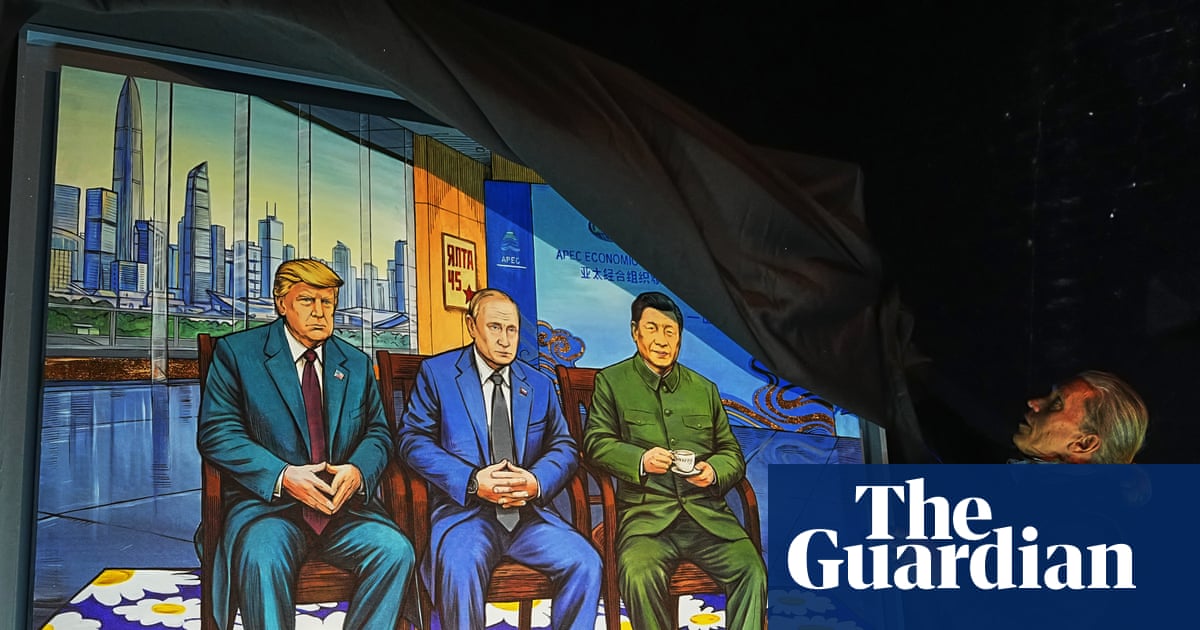
Concerns mount over a potential trilateral meeting between Donald Trump, Xi Jinping, and Vladimir Putin, with critics fearing a geopolitical carve-up reminiscent of the 1945 Yalta Conference.
 🤝Diplomacy
Photo: Guardian Russia
Key points
- Putin, Trump, and Xi may meet at the APEC summit to discuss a new global security order.
- Critics fear the meeting will lead to a 'Yalta 2.0' where smaller nations are sacrificed for power-broker stability.
- Russian leadership views the format as a way to secure long-term European stability, while Western allies remain deeply skeptical.
A potential meeting between Donald Trump, Xi Jinping, and Vladimir Putin on the sidelines of the upcoming APEC summit in China has sparked international apprehension. Observers, including Ukrainian President Volodymyr Zelenskyy, fear that a trilateral discussion could mirror the 1945 Yalta Conference, where major powers partitioned spheres of influence while marginalizing smaller nations. Vladimir Putin has long advocated for such a format, aiming to establish a new global security order that prioritizes power-broker consensus over liberal democratic values.
Russian officials have framed the prospective summit as a necessary step toward stabilizing global affairs. Vladimir Medinsky, Russia’s chief negotiator, described the goal as creating a modern security framework for Europe, while Foreign Ministry spokesperson Maria Zakharova suggested the meeting could halt a slide into global chaos. Conversely, critics view these overtures as a cynical attempt to legitimize territorial gains and abandon the sovereignty of nations like Ukraine and Taiwan in favor of a transactional great-power arrangement.
The historical shadow of Yalta looms large, as the 1945 agreement is frequently cited as a betrayal of smaller states to appease the Soviet Union. While the Kremlin seeks to portray Russia as an indispensable global actor, it remains unclear whether the summit will produce substantive policy shifts or merely serve as a platform for symbolic geopolitical theater.
The stakes
If a new "Yalta-style" arrangement is solidified, major powers stand to gain increased stability through defined spheres of influence, while smaller, non-aligned nations risk losing their agency and security guarantees. Such a shift would fundamentally alter the post-WWII international order, potentially sidelining established democratic alliances in favor of a pragmatic, power-based system.
Two readings
- Supporters argue that direct engagement between the world's most powerful leaders is the only viable path to de-escalating current conflicts and preventing a broader global collapse.
- Critics contend that such summits facilitate the betrayal of sovereign nations, effectively trading the freedom of smaller states for the convenience of authoritarian-friendly stability.
Source Guardian Russia — theguardian.com/world/2026/nov/14/yalta-trump-xi-putin-china-apec ↗
Read next
 ✒️Opinion & Analysis
ICJ Rules Myanmar Military Committed Genocide Against Rohingya
The International Court of Justice has found Myanmar's military guilty of genocide against the Rohingya, a ruling that damages the international standing of both Aung San…
 🕯️Democracy & Rights
Chinese teachers face rising parental pressure over personal life choices
Chinese educators are encountering a surge in unreasonable demands from parents, including complaints regarding teachers' pregnancy and maternity leave.
 🛡️War & Security
Ukraine Restricts Media Coverage of Infrastructure Damage Amid Russian Strikes
President Volodymyr Zelenskyy has issued a decree prohibiting media outlets from reporting on the impact of Russian strikes against critical infrastructure and the status…
 🏮China & Taiwan
Beijing Reaffirms Reunification Stance Following Taiwan Local Election Results
China’s Taiwan Affairs Office declared that the island’s reunification with the mainland remains inevitable, despite recent shifts in Taiwan's local political landscape.
 🇪🇺Europe
US Air Force Repels Unauthorized Drone Incursion at RAF Lakenheath
U.S. security forces at a British air base successfully countered a group of unidentified drones, amid growing concerns over potential foreign state involvement.
 ⚖️Law & Policy
India Government Proposes 50% Increase in Parliamentary Seats and Women's Reservation
The Indian government plans to introduce legislation to expand the Lok Sabha to 850 seats and mandate a 33% reservation for women in legislative bodies.