Brazilian President Lula Visits Manila to Launch New Era of Bilateral Ties
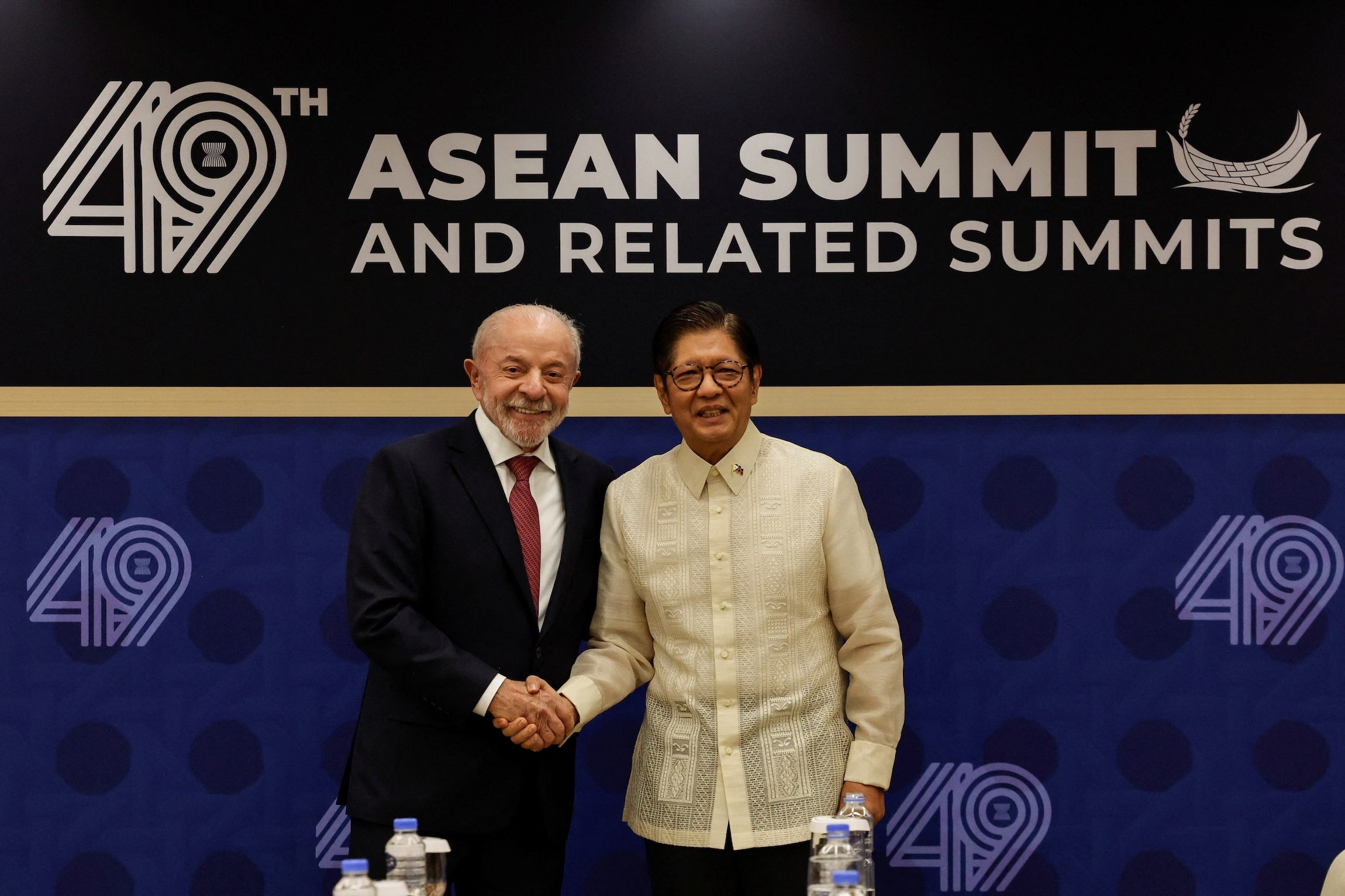
Brazilian President Luiz Inacio Lula da Silva met with Philippine President Ferdinand Marcos Jr. in Manila on November 14, 2026, aiming to strengthen bilateral cooperation and multilateral governance.
 🤝Diplomacy
Photo: Rappler
Key points
- Brazilian President Lula da Silva makes historic first state visit to the Philippines.
- Lula and President Marcos Jr. discuss UN Security Council reform and multilateralism.
- The meeting coincides with the 80th anniversary of diplomatic ties and the ASEAN Summit.
Brazilian President Luiz Inacio Lula da Silva announced on Saturday, November 14, 2026, that his state visit to the Philippines marks the beginning of a transformed era of bilateral ties as the two nations celebrate 80 years of diplomatic relations. Meeting with Philippine President Ferdinand Marcos Jr. in Pasay City on the sidelines of the 49th Association of Southeast Asian Nations (ASEAN) Summit, Lula became the first sitting Brazilian leader to undertake a state visit to the country.
During their expanded bilateral talks, both leaders emphasized shared diplomatic goals centered on international cooperation and institutional reform. Lula stated that the partnership would extend beyond commerce into political alignment, highlighting mutual support for reforming the United Nations Security Council, strengthening multilateralism, and revitalizing the World Trade Organization. He stressed that structural changes within the UN are vital to restoring the global body's credibility in securing international peace.
President Marcos welcomed the Brazilian delegation by describing the visit as a watershed moment and the high point of eight decades of diplomatic engagement. Marcos noted that Manila and Brasília stand together in promoting an international order based on dialogue, adherence to international law, and regional cooperation. Lula is scheduled to address the plenary session of the ASEAN Summit on Sunday as a guest of the chair.
The stakes
Enhanced diplomatic and political coordination between Brazil and the Philippines could bolster middle-power influence in international forums, giving both nations a louder voice in ongoing debates over global governance reform and multilateral trade rules.
Two readings
- Supporters view the historic visit as a vital step in forging South-South cooperation and uniting developing nations behind institutional reforms at the United Nations.
- Critics question whether high-level diplomatic pledges will translate into concrete policy coordination given the geographic distance and divergent regional priorities of the two countries.
Source Rappler — rappler.com/philippines/lula-visit-new-age-relations-brazil/ ↗
Read next
 ✒️Opinion & Analysis
ICJ Rules Myanmar Military Committed Genocide Against Rohingya
The International Court of Justice has found Myanmar's military guilty of genocide against the Rohingya, a ruling that damages the international standing of both Aung San…
 🕯️Democracy & Rights
Chinese teachers face rising parental pressure over personal life choices
Chinese educators are encountering a surge in unreasonable demands from parents, including complaints regarding teachers' pregnancy and maternity leave.
 🛡️War & Security
Ukraine Restricts Media Coverage of Infrastructure Damage Amid Russian Strikes
President Volodymyr Zelenskyy has issued a decree prohibiting media outlets from reporting on the impact of Russian strikes against critical infrastructure and the status…
 🏮China & Taiwan
Beijing Reaffirms Reunification Stance Following Taiwan Local Election Results
China’s Taiwan Affairs Office declared that the island’s reunification with the mainland remains inevitable, despite recent shifts in Taiwan's local political landscape.
 🇪🇺Europe
US Air Force Repels Unauthorized Drone Incursion at RAF Lakenheath
U.S. security forces at a British air base successfully countered a group of unidentified drones, amid growing concerns over potential foreign state involvement.
 ⚖️Law & Policy
India Government Proposes 50% Increase in Parliamentary Seats and Women's Reservation
The Indian government plans to introduce legislation to expand the Lok Sabha to 850 seats and mandate a 33% reservation for women in legislative bodies.