Congo Ebola Crisis Escalates as Containment Efforts Stall
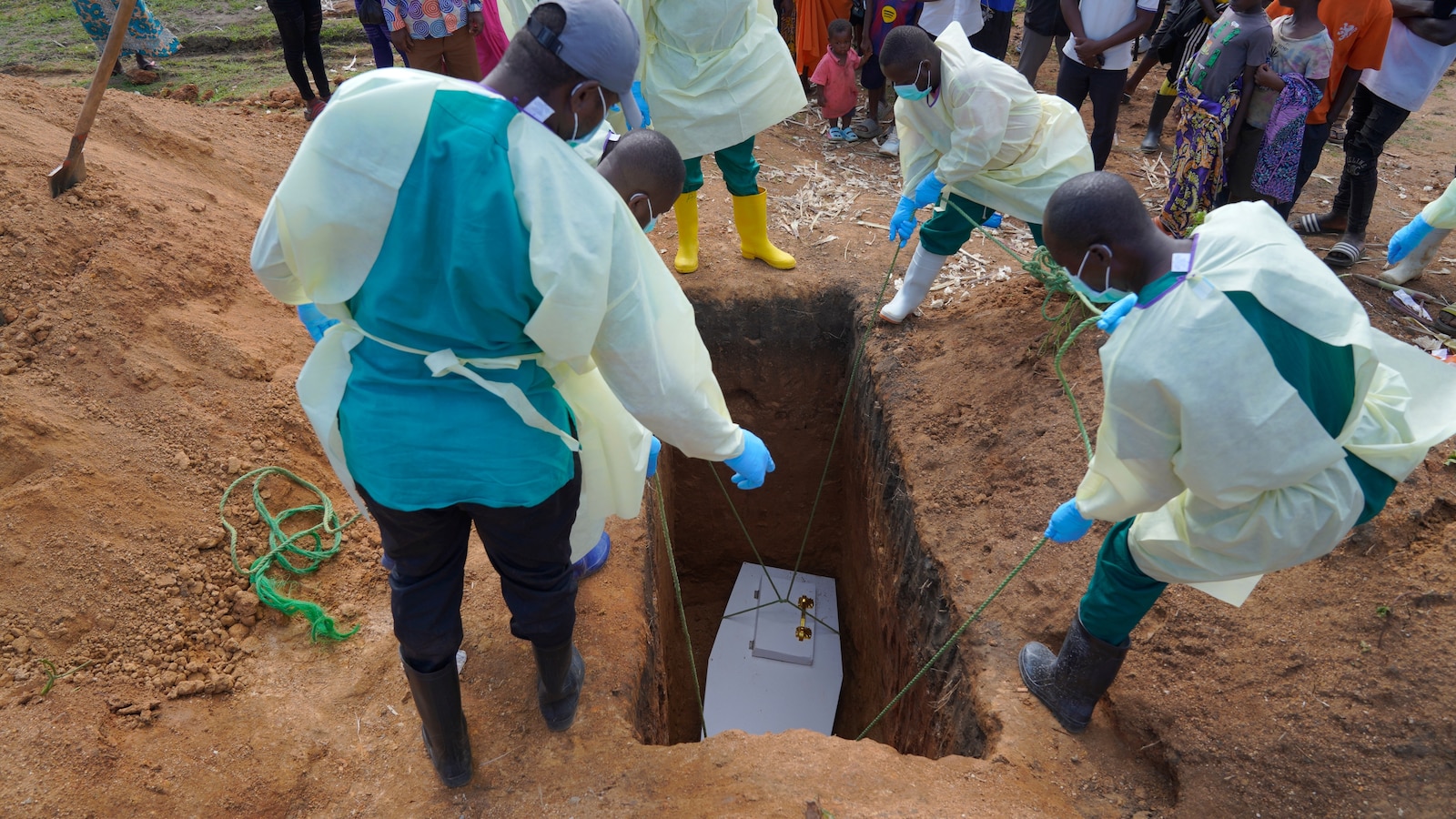
A six-month-old Ebola outbreak in Congo has resulted in over 11,000 cases and a nearly 50% mortality rate, as international containment efforts struggle to gain traction.
 🤝Diplomacy
Photo: ABC World
Key points
- More than 11,000 Ebola cases recorded in Congo over six months
- Over $700 million in aid remains unaccounted for
- Ongoing conflict with rebel groups hinders medical access
Six months after the official declaration of an Ebola outbreak in Congo, government data indicates the virus remains uncontrolled, with fatalities nearing half of the 11,000 recorded cases. The epidemic, which has spread across eight of the country’s 26 provinces, is currently the deadliest in the nation's history and threatens to exceed the death toll of the 2014-2016 West African crisis.
Containment efforts are hampered by a lack of effective contact tracing, with the Africa Centers for Disease Control and Prevention reporting that 80% of new infections occur outside of official health surveillance. Furthermore, the response is plagued by logistical failures, including reports of unpaid health workers striking and over $700 million in aid remaining unaccounted for, according to the Africa CDC and Doctors Without Borders.
The situation is exacerbated by persistent regional instability. Eastern provinces like Ituri and North Kivu are currently caught between the epidemic and ongoing violence from various rebel groups, including the M23 and the Allied Democratic Forces. These security threats, combined with cultural resistance to medical protocols, have led to attacks on health facilities and personnel, further complicating the humanitarian response.
The stakes
The failure to contain the virus risks a broader regional contagion, with confirmed cases already appearing in Nigeria, Kenya, and Uganda. If the response continues to falter, the government faces a deepening legitimacy crisis, while the international community risks losing both significant financial investments and the ability to prevent a widespread health catastrophe across the African continent.
Two readings
- Supporters of the current response argue that the unprecedented scale of the conflict and the geographic spread of the virus make containment an exceptionally complex challenge that requires sustained international patience and increased military support for medical corridors.
- Critics contend that the crisis is primarily a failure of governance and oversight, pointing to the missing $700 million in aid and the inability of authorities to manage basic health infrastructure as proof that the response is being mismanaged at the highest levels.
Source ABC World — abcnews.com/International/wireStory/ebola-outbreak-remains-control-cong… ↗
Read next
 ✒️Opinion & Analysis
ICJ Rules Myanmar Military Committed Genocide Against Rohingya
The International Court of Justice has found Myanmar's military guilty of genocide against the Rohingya, a ruling that damages the international standing of both Aung San…
 🕯️Democracy & Rights
Chinese teachers face rising parental pressure over personal life choices
Chinese educators are encountering a surge in unreasonable demands from parents, including complaints regarding teachers' pregnancy and maternity leave.
 🛡️War & Security
Ukraine Restricts Media Coverage of Infrastructure Damage Amid Russian Strikes
President Volodymyr Zelenskyy has issued a decree prohibiting media outlets from reporting on the impact of Russian strikes against critical infrastructure and the status…
 🏮China & Taiwan
Beijing Reaffirms Reunification Stance Following Taiwan Local Election Results
China’s Taiwan Affairs Office declared that the island’s reunification with the mainland remains inevitable, despite recent shifts in Taiwan's local political landscape.
 🇪🇺Europe
US Air Force Repels Unauthorized Drone Incursion at RAF Lakenheath
U.S. security forces at a British air base successfully countered a group of unidentified drones, amid growing concerns over potential foreign state involvement.
 ⚖️Law & Policy
India Government Proposes 50% Increase in Parliamentary Seats and Women's Reservation
The Indian government plans to introduce legislation to expand the Lok Sabha to 850 seats and mandate a 33% reservation for women in legislative bodies.