Japan Reports Record Surge in Fighter Scrambles Amid Increased Chinese Air Activity
Japan's military reported its highest monthly frequency of fighter jet scrambles in nearly five years, driven by a surge in Chinese aerial activity near its southwestern islands.
 🤝Diplomacy
Photo: SCMP China
Key points
- Japan recorded 94 fighter jet scrambles in October.
- The activity is linked to Chinese naval operations in the western Pacific.
- Tensions are centered on Japan's southwestern islands.
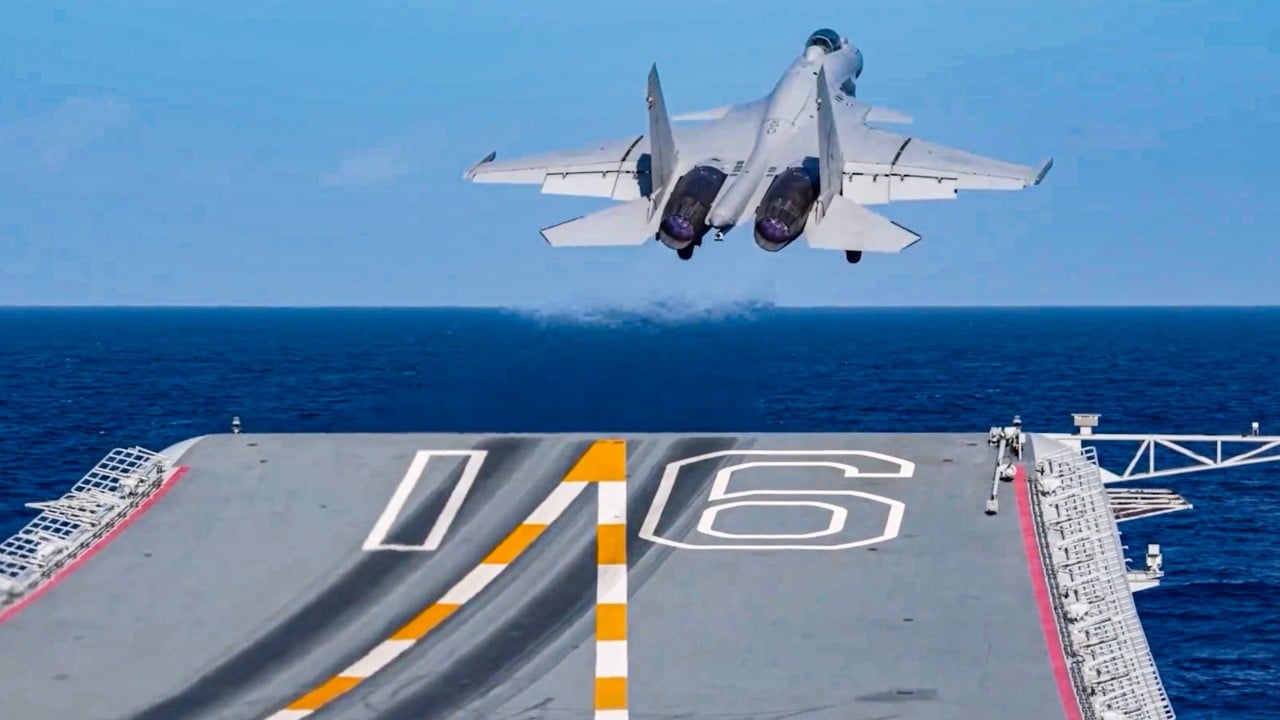
The Japanese Self-Defense Forces conducted 94 emergency fighter jet scrambles in October in response to Chinese military aircraft approaching its airspace, marking the highest monthly frequency recorded in nearly five years. According to preliminary data released by Japan’s Joint Staff, this surge in aerial activity coincides with broader Chinese naval maneuvers, including the deployment of an aircraft carrier fleet throughout the western Pacific.
These incidents are concentrated primarily around Japan's southwestern islands, a region of increasing strategic sensitivity. The uptick in scrambles reflects a persistent pattern of regional tension, as both nations continue to project power in contested maritime and aerial corridors. While the activity remains within international airspace, the frequency of these encounters elevates the risk of miscalculation between the two neighboring powers.
The increased presence of Chinese assets near Japan’s borders serves as a demonstration of Beijing's expanding operational reach in the Pacific. For Tokyo, these maneuvers necessitate a constant state of military readiness, straining resources and forcing a shift in defensive posture. The ongoing patrols underscore the deepening security competition between the two nations, as China seeks to normalize its military presence in waters and skies previously dominated by Japanese and allied monitoring.
The stakes
If this trend continues, Japan will face mounting pressure to increase its defense spending and expand its rapid-response capabilities, potentially accelerating the regional arms race. China gains by asserting its territorial ambitions and testing Japan's defensive limits, while Tokyo risks operational fatigue and heightened regional instability.
Two readings
- Supporters of Japan's response argue that consistent monitoring is essential to defend national sovereignty and maintain a free and open Indo-Pacific.
- Critics of the current trajectory warn that frequent military posturing increases the likelihood of an accidental confrontation that could trigger a wider diplomatic or security crisis.
Source SCMP China — scmp.com/news/china/military/article/3374567/japan-faces-near-5-yea… ↗
Read next
 ✒️Opinion & Analysis
ICJ Rules Myanmar Military Committed Genocide Against Rohingya
The International Court of Justice has found Myanmar's military guilty of genocide against the Rohingya, a ruling that damages the international standing of both Aung San…
 🕯️Democracy & Rights
Chinese teachers face rising parental pressure over personal life choices
Chinese educators are encountering a surge in unreasonable demands from parents, including complaints regarding teachers' pregnancy and maternity leave.
 🛡️War & Security
Ukraine Restricts Media Coverage of Infrastructure Damage Amid Russian Strikes
President Volodymyr Zelenskyy has issued a decree prohibiting media outlets from reporting on the impact of Russian strikes against critical infrastructure and the status…
 🏮China & Taiwan
Beijing Reaffirms Reunification Stance Following Taiwan Local Election Results
China’s Taiwan Affairs Office declared that the island’s reunification with the mainland remains inevitable, despite recent shifts in Taiwan's local political landscape.
 🇪🇺Europe
US Air Force Repels Unauthorized Drone Incursion at RAF Lakenheath
U.S. security forces at a British air base successfully countered a group of unidentified drones, amid growing concerns over potential foreign state involvement.
 ⚖️Law & Policy
India Government Proposes 50% Increase in Parliamentary Seats and Women's Reservation
The Indian government plans to introduce legislation to expand the Lok Sabha to 850 seats and mandate a 33% reservation for women in legislative bodies.