Japan Lodges Stern Protest After Russian Aircraft Breach Airspace
Tokyo issued a strong diplomatic protest to Moscow after two suspected Russian warplanes temporarily violated Japanese airspace near Fukuoka, prompting the scramble of fighter jets.
 🤝Diplomacy
Photo: ABC World
Key points
- Two suspected Russian aircraft violated Japanese airspace near Fukuoka for five minutes.
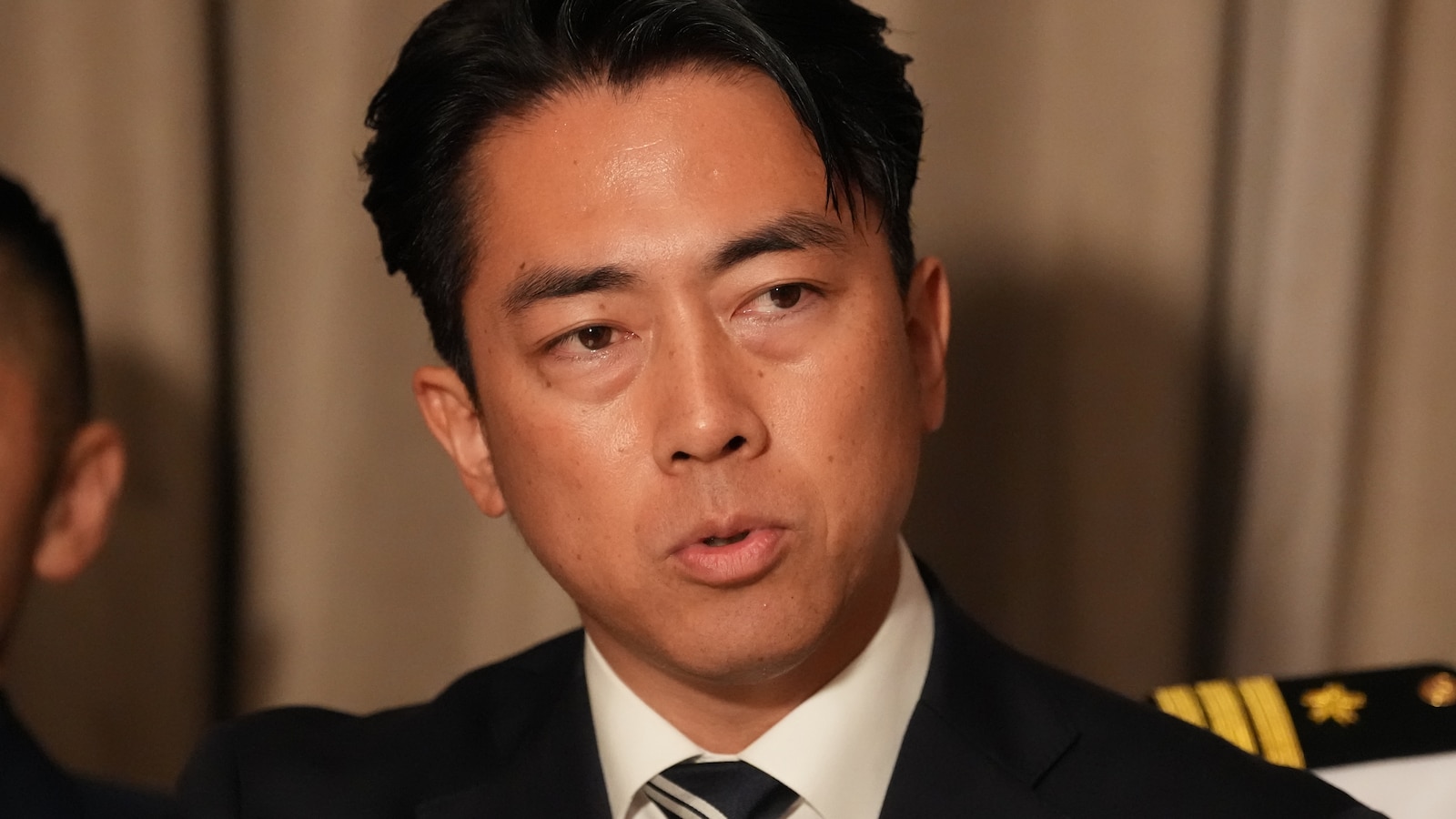
- Defense Minister Shinjiro Koizumi lodged an extremely stern protest with Moscow.
- Tensions between Japan and Russia have mounted over territorial disputes, arrests, and asset seizures.
Japanese authorities formally protested to Moscow on Tuesday following an incursion into national airspace by two suspected Russian military aircraft off the country's southwestern coast. Defense Minister Shinjiro Koizumi confirmed that the planes breached Japanese airspace near Fukuoka for approximately five minutes early Tuesday, forcing the Air Self-Defense Force to scramble interceptor jets and issue warnings.
The incident marks a further deterioration in bilateral ties already strained by regional security friction, territorial disputes, and recent diplomatic flare-ups. According to Japanese officials, the aircraft traversed the Tsushima Strait before flying south over waters situated between Taiwan and Japan's westernmost island of Yonaguni. The episode follows related regional movements, including South Korea's detection of Russian military planes entering its air defense identification zone a day earlier.
Relations between Tokyo and Moscow have steadily worsened amid a backdrop of increased joint military drills involving Russia and China near Japanese waters, Russian President Vladimir Putin's visit to disputed northern islands, the detention of a Japanese journalist on espionage allegations, and the recent state seizure of Japanese corporate assets inside Russia.
The stakes
Tokyo gains leverage to rally domestic and international support for heightened defense readiness, while Moscow tests regional deterrence postures. If similar incursions persist, diplomatic channels between the two neighbors risk complete freeze, pushing Japan toward deeper security alignment with Western partners.
Two readings
- Supporters of the government response argue that swift interception and stern diplomatic condemnation are vital to defend national sovereignty and deter aggressive posturing from foreign militaries.
- Critics suggest that escalating rhetoric without diplomatic engagement hardens regional lines and leaves little room for de-escalation in an already volatile security environment.
Source ABC World — abcnews.com/International/wireStory/tokyo-protests-after-suspected-russ… ↗
Read next
 ✒️Opinion & Analysis
ICJ Rules Myanmar Military Committed Genocide Against Rohingya
The International Court of Justice has found Myanmar's military guilty of genocide against the Rohingya, a ruling that damages the international standing of both Aung San…
 🕯️Democracy & Rights
Chinese teachers face rising parental pressure over personal life choices
Chinese educators are encountering a surge in unreasonable demands from parents, including complaints regarding teachers' pregnancy and maternity leave.
 🛡️War & Security
Ukraine Restricts Media Coverage of Infrastructure Damage Amid Russian Strikes
President Volodymyr Zelenskyy has issued a decree prohibiting media outlets from reporting on the impact of Russian strikes against critical infrastructure and the status…
 🏮China & Taiwan
Beijing Reaffirms Reunification Stance Following Taiwan Local Election Results
China’s Taiwan Affairs Office declared that the island’s reunification with the mainland remains inevitable, despite recent shifts in Taiwan's local political landscape.
 🇪🇺Europe
US Air Force Repels Unauthorized Drone Incursion at RAF Lakenheath
U.S. security forces at a British air base successfully countered a group of unidentified drones, amid growing concerns over potential foreign state involvement.
 ⚖️Law & Policy
India Government Proposes 50% Increase in Parliamentary Seats and Women's Reservation
The Indian government plans to introduce legislation to expand the Lok Sabha to 850 seats and mandate a 33% reservation for women in legislative bodies.