Philippine Foreign Ministry Calls for De-escalation in South China Sea Rhetoric
The Philippine Department of Foreign Affairs has urged officials to adopt a more measured tone regarding China, aiming to stabilize bilateral relations amid ongoing maritime disputes.
 🤝Diplomacy
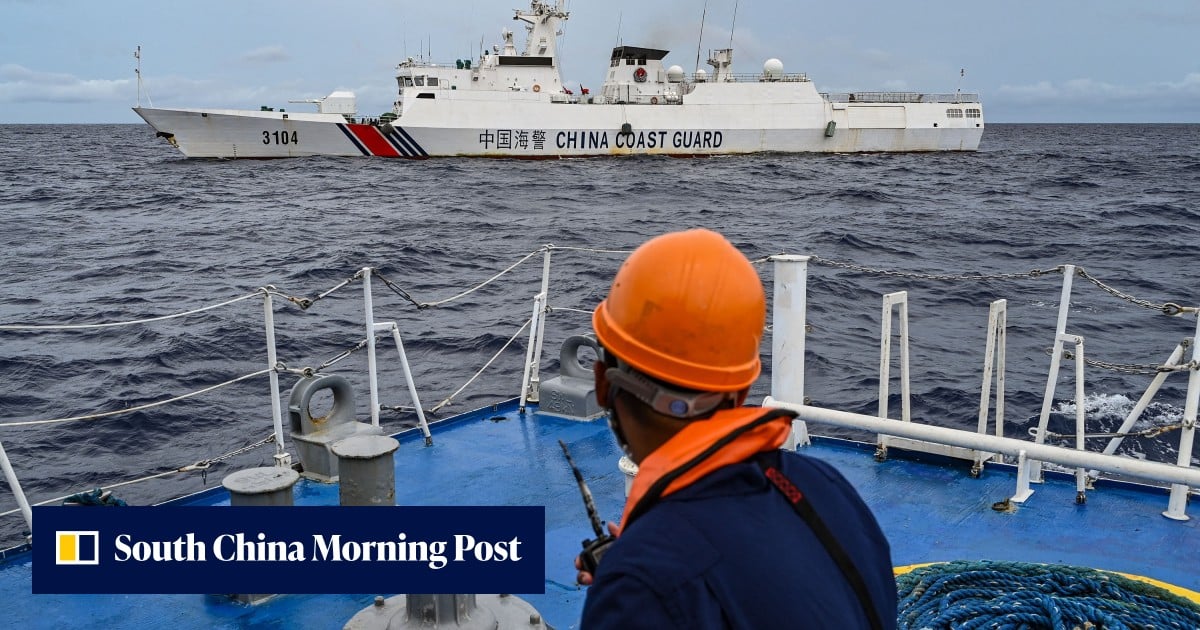
Photo: SCMP China
Key points
- Philippine foreign ministry calls for unified, restrained rhetoric toward China
- Directives aim to stabilize diplomatic relations amidst maritime disputes
- Experts doubt the move signals a major shift in maritime enforcement strategy
The Philippine Department of Foreign Affairs has issued a formal caution to government officials, advising against the use of inflammatory language when addressing China. This rare public directive emphasizes the need for a unified and disciplined foreign policy, suggesting that hostile rhetoric may be counterproductive to the goal of maintaining stable diplomatic ties between Manila and Beijing.
Despite this call for moderation, observers suggest that the move does not signal a fundamental shift in the nation's maritime strategy. Experts note that the foreign ministry holds limited authority over the operational enforcement activities conducted by the Philippine Coast Guard and military in the contested waters of the South China Sea.
The instruction serves as an attempt to centralize the government's messaging, ensuring that diplomatic channels remain open even as territorial disagreements persist. By curbing aggressive public statements, the administration aims to prevent unnecessary escalations that could complicate regional security dynamics.
The stakes
If this policy of restraint is adopted across the government, the Philippines risks appearing divided to its international allies, yet it gains a potential avenue for direct communication with Beijing. Conversely, if the directive is ignored by security agencies, the current cycle of maritime confrontations will likely continue, further straining the relationship between the two nations.
Two readings
- Supporters view the call for a softer tone as a necessary diplomatic tool to prevent accidental conflict and provide space for long-term negotiations.
- Critics argue that tempering rhetoric weakens the Philippines' position and fails to address the underlying reality of the ongoing territorial disputes.
Source SCMP China — scmp.com/news/china/diplomacy/article/3373818/why-manilas-call-soft… ↗
Read next
 ✒️Opinion & Analysis
ICJ Rules Myanmar Military Committed Genocide Against Rohingya
The International Court of Justice has found Myanmar's military guilty of genocide against the Rohingya, a ruling that damages the international standing of both Aung San…
 🕯️Democracy & Rights
Chinese teachers face rising parental pressure over personal life choices
Chinese educators are encountering a surge in unreasonable demands from parents, including complaints regarding teachers' pregnancy and maternity leave.
 🛡️War & Security
Ukraine Restricts Media Coverage of Infrastructure Damage Amid Russian Strikes
President Volodymyr Zelenskyy has issued a decree prohibiting media outlets from reporting on the impact of Russian strikes against critical infrastructure and the status…
 🏮China & Taiwan
Beijing Reaffirms Reunification Stance Following Taiwan Local Election Results
China’s Taiwan Affairs Office declared that the island’s reunification with the mainland remains inevitable, despite recent shifts in Taiwan's local political landscape.
 🇪🇺Europe
US Air Force Repels Unauthorized Drone Incursion at RAF Lakenheath
U.S. security forces at a British air base successfully countered a group of unidentified drones, amid growing concerns over potential foreign state involvement.
 ⚖️Law & Policy
India Government Proposes 50% Increase in Parliamentary Seats and Women's Reservation
The Indian government plans to introduce legislation to expand the Lok Sabha to 850 seats and mandate a 33% reservation for women in legislative bodies.