European Nations Clash Over Participation in Upcoming Ukraine-Russia Talks
European leaders are divided over the extent of EU involvement in US-mediated peace talks between Ukraine and Russia scheduled for November 10-11 in Abu Dhabi.
 🤝Diplomacy
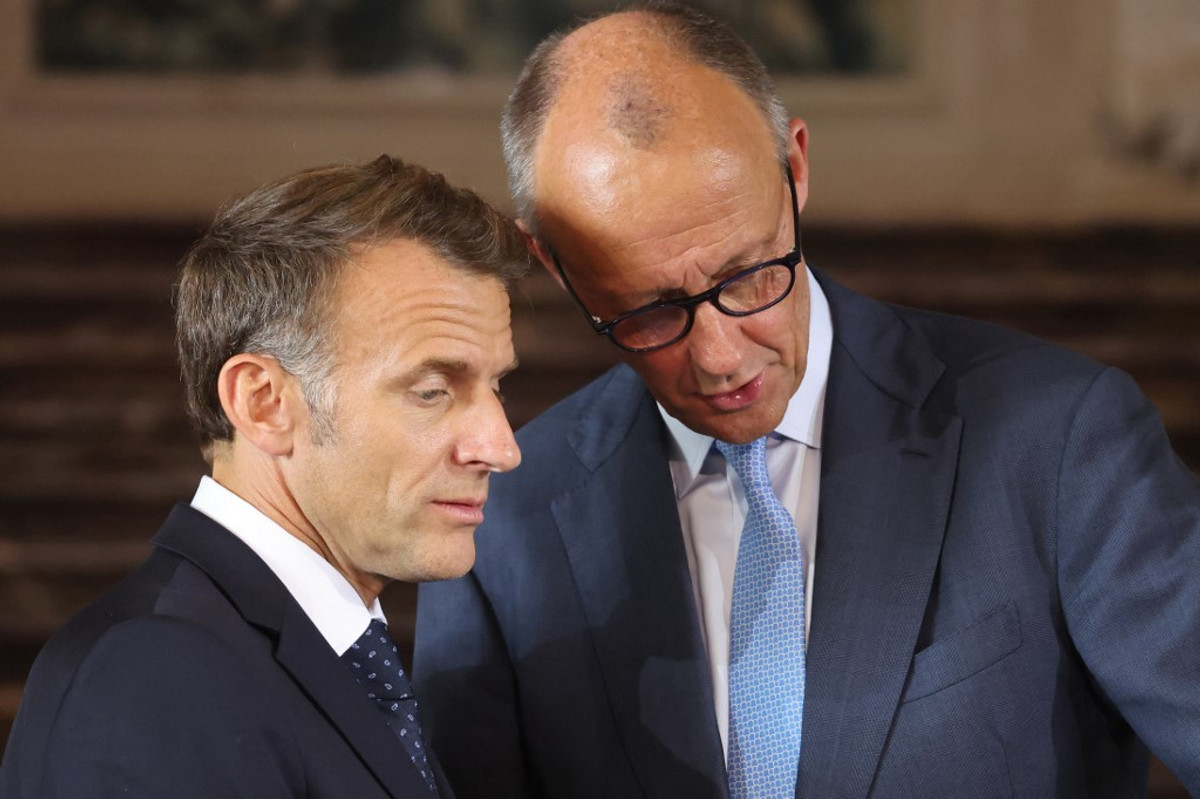
Photo: Kyiv Post
Key points
- E3 nations to attend Abu Dhabi talks while Italy and Poland demand wider EU inclusion.
- Discussions expected to cover the future of European security architecture.
- Germany insists on ending the war before establishing a new regional security order.
National security advisers from France, Germany, and the United Kingdom—the E3 group—are set to attend upcoming negotiations in Abu Dhabi, sparking internal friction within the European Union regarding the level of continental representation. While the E3 will participate, leaders from Italy and Poland, alongside European Council President Antonio Costa, are demanding a more inclusive seat at the table to ensure European interests are protected.
The talks, which aim to address the future of European security architecture, have caused anxiety among Eastern and Northern European nations. Polish Foreign Minister Radoslaw Sikorski emphasized that European states must not be sidelined in decisions concerning their own regional security, warning against deals struck between Western powers and Russia that bypass other affected nations.
Germany has maintained a cautious approach, outlining four principles for a potential settlement, including the requirement that the war must conclude before a new security order is finalized. A German official characterized the Abu Dhabi meeting as an initial session, with plans to brief broader European partners during the upcoming European Political Community summit in Dublin.
The stakes
The outcome of these negotiations could fundamentally reshape the continent's security landscape. If the E3 dominates the dialogue, they risk alienating Eastern European allies, potentially weakening the unified stance against Russian aggression. Conversely, a failure to include broader EU representation may result in a security framework that lacks legitimacy across the bloc, leaving the EU vulnerable to future geopolitical shifts.
Two readings
- Supporters of the current E3-led format argue that streamlined, high-level engagement with the United States is the most efficient way to achieve a breakthrough in ending the conflict.
- Critics contend that any discussion regarding European security architecture without the direct participation of all affected EU member states undermines the democratic sovereignty of the union.
Source Kyiv Post — kyivpost.com/post/89540 ↗
Read next
 ✒️Opinion & Analysis
ICJ Rules Myanmar Military Committed Genocide Against Rohingya
The International Court of Justice has found Myanmar's military guilty of genocide against the Rohingya, a ruling that damages the international standing of both Aung San…
 🕯️Democracy & Rights
Chinese teachers face rising parental pressure over personal life choices
Chinese educators are encountering a surge in unreasonable demands from parents, including complaints regarding teachers' pregnancy and maternity leave.
 🛡️War & Security
Ukraine Restricts Media Coverage of Infrastructure Damage Amid Russian Strikes
President Volodymyr Zelenskyy has issued a decree prohibiting media outlets from reporting on the impact of Russian strikes against critical infrastructure and the status…
 🏮China & Taiwan
Beijing Reaffirms Reunification Stance Following Taiwan Local Election Results
China’s Taiwan Affairs Office declared that the island’s reunification with the mainland remains inevitable, despite recent shifts in Taiwan's local political landscape.
 🇪🇺Europe
US Air Force Repels Unauthorized Drone Incursion at RAF Lakenheath
U.S. security forces at a British air base successfully countered a group of unidentified drones, amid growing concerns over potential foreign state involvement.
 ⚖️Law & Policy
India Government Proposes 50% Increase in Parliamentary Seats and Women's Reservation
The Indian government plans to introduce legislation to expand the Lok Sabha to 850 seats and mandate a 33% reservation for women in legislative bodies.