Global Leaders Address Geopolitical Tensions and Trade at APEC CEO Summit
World leaders gathered at the APEC CEO Summit to deliver addresses tackling volatile geopolitics, trade protectionism, and emerging technological challenges.
 🤝Diplomacy
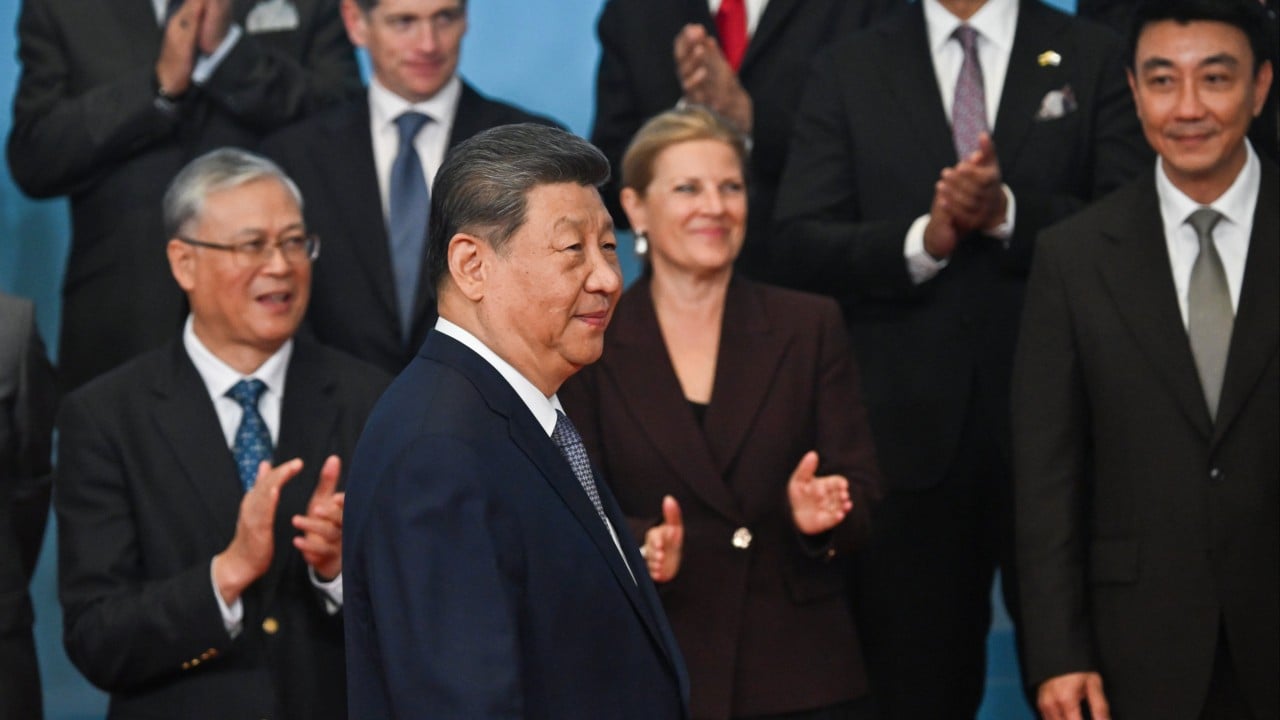
Photo: SCMP Asia
Key points
- Xi Jinping described current geopolitics as complex and volatile.
- The summit focused on protectionism, weak growth, and new technologies.
- Global leaders addressed international executives on trade and security.
Global leaders addressed a gathering of business figures during the Apec CEO Summit, delivering remarks focused on the prevailing challenges confronting international trade and geopolitical stability. Addressing the audience, Chinese President Xi Jinping characterized the current global landscape as complex and volatile, pointing to escalating protectionism, sluggish economic momentum, and unprecedented hurdles introduced by emerging technologies.
The summit served as a high-level platform for heads of state and government to outline their respective economic visions and foreign policy priorities before international executives and investors. Speakers navigated pressing questions surrounding supply chain resilience, multilateral cooperation, and the shifting dynamics of global commerce amidst ongoing international frictions.
The annual gathering highlights the continuous interplay between statecraft and transnational enterprise, where political figures seek to reassure commercial stakeholders while advancing their national strategic agendas. Discussions underscored the fragile state of international markets and the growing necessity for cross-border alignment in an era defined by strategic competition.
The stakes
If major powers fail to coordinate on trade rules and technological standards, multinational commerce risks further fragmentation into regional blocs. Supporters of the dialogue gain a vital platform to voice economic concerns directly to policymakers, whereas critics argue that such summits largely substitute substantive policy reforms with diplomatic rhetoric.
Two readings
- Supporters read the addresses as a necessary mechanism for maintaining open communication channels and easing commercial anxieties during turbulent times.
- Critics read the speeches as hollow exercises in public relations that mask deepening protectionist measures and unyielding geopolitical rivalries.
Source SCMP Asia — scmp.com/economy/global-economy/article/3374876/key-takeaways-speec… ↗
Read next
 ✒️Opinion & Analysis
ICJ Rules Myanmar Military Committed Genocide Against Rohingya
The International Court of Justice has found Myanmar's military guilty of genocide against the Rohingya, a ruling that damages the international standing of both Aung San…
 🕯️Democracy & Rights
Chinese teachers face rising parental pressure over personal life choices
Chinese educators are encountering a surge in unreasonable demands from parents, including complaints regarding teachers' pregnancy and maternity leave.
 🛡️War & Security
Ukraine Restricts Media Coverage of Infrastructure Damage Amid Russian Strikes
President Volodymyr Zelenskyy has issued a decree prohibiting media outlets from reporting on the impact of Russian strikes against critical infrastructure and the status…
 🏮China & Taiwan
Beijing Reaffirms Reunification Stance Following Taiwan Local Election Results
China’s Taiwan Affairs Office declared that the island’s reunification with the mainland remains inevitable, despite recent shifts in Taiwan's local political landscape.
 🇪🇺Europe
US Air Force Repels Unauthorized Drone Incursion at RAF Lakenheath
U.S. security forces at a British air base successfully countered a group of unidentified drones, amid growing concerns over potential foreign state involvement.
 ⚖️Law & Policy
India Government Proposes 50% Increase in Parliamentary Seats and Women's Reservation
The Indian government plans to introduce legislation to expand the Lok Sabha to 850 seats and mandate a 33% reservation for women in legislative bodies.