Xi, Trump, and Putin gather in China for high-stakes trilateral meetings
Chinese President Xi Jinping welcomed US counterpart Donald Trump in Shenzhen ahead of a planned trilateral summit with Russia's Vladimir Putin, sparking international concern over potential backroom deals on global security.
 🤝Diplomacy
Photo: Dawn
Key points
- Xi Jinping greeted Donald Trump on the tarmac in Shenzhen ahead of a trilateral meeting with Vladimir Putin.
- European and Ukrainian leaders expressed concern that global security arrangements could be decided without their participation.
- Discussions are slated to cover nuclear disarmament, regional conflicts, and international economic ties.
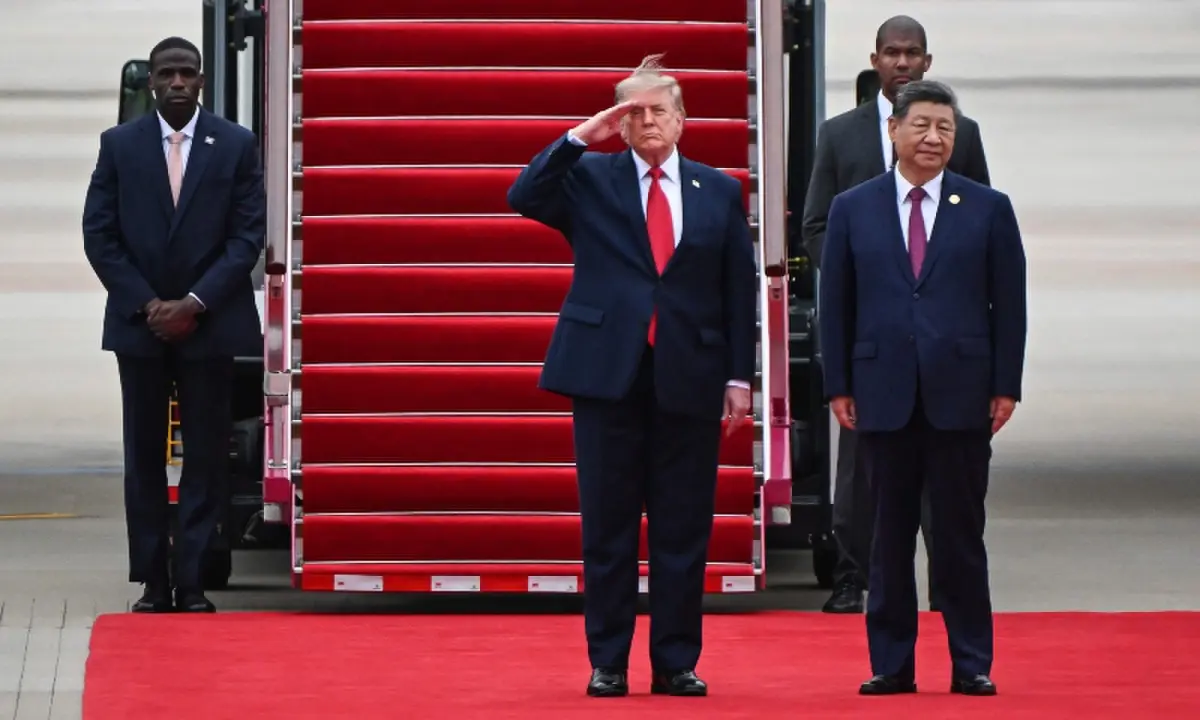
Chinese President Xi Jinping personally greeted US counterpart Donald Trump on the tarmac at Shenzhen’s Bao’an International Airport on Wednesday, setting the stage for a high-stakes trilateral meeting with Russian leader Vladimir Putin. The red-carpet arrival featured national anthems and an aerial display by fighter jets, preceding bilateral discussions that are set to cover regional stability, nuclear arms, and ongoing conflicts.
Thursday's scheduled summit has raised acute anxieties among European and Ukrainian officials that the three global powers might negotiate geopolitical arrangements over the heads of regional stakeholders. While Washington initially downplayed the likelihood of addressing the war in Ukraine—a subject Beijing maintains is separate from its diplomatic scope—Trump later contradicted those assertions, suggesting the conflict would indeed form part of the agenda.
Ahead of Trump's arrival, Xi held separate bilateral talks with Putin, marking their fifth encounter of the year and underscoring deepening ties between Beijing and Moscow. Putin used his platform to dismiss the efficacy of Western sanctions stemming from the 2022 invasion of Ukraine and called for increased international dialogue to mitigate rising military-political risks.
Security in Shenzhen remained exceptionally tight as officials prepared for extensive talks encompassing nuclear disarmament, following the expiration of a major US-Russia atomic weapons treaty in February, alongside discussions regarding the Middle East and East Asia.
The stakes
Major powers stand to reshape global security architecture and sanctions enforcement, while smaller allies and nations like Ukraine risk being sidelined in major geopolitical deals.
Two readings
- Supporters argue that direct engagement among Washington, Beijing, and Moscow is essential to de-escalate global tensions and manage nuclear arsenals.
- Critics fear the summit paves the way for great-power spheres of influence that undermine international law and sideline vulnerable nations.
Source Dawn — dawn.com/news/2045414/xi-trump-putin-exchange-first-greetings-in-ch… ↗
Read next
 ✒️Opinion & Analysis
ICJ Rules Myanmar Military Committed Genocide Against Rohingya
The International Court of Justice has found Myanmar's military guilty of genocide against the Rohingya, a ruling that damages the international standing of both Aung San…
 🕯️Democracy & Rights
Chinese teachers face rising parental pressure over personal life choices
Chinese educators are encountering a surge in unreasonable demands from parents, including complaints regarding teachers' pregnancy and maternity leave.
 🛡️War & Security
Ukraine Restricts Media Coverage of Infrastructure Damage Amid Russian Strikes
President Volodymyr Zelenskyy has issued a decree prohibiting media outlets from reporting on the impact of Russian strikes against critical infrastructure and the status…
 🏮China & Taiwan
Beijing Reaffirms Reunification Stance Following Taiwan Local Election Results
China’s Taiwan Affairs Office declared that the island’s reunification with the mainland remains inevitable, despite recent shifts in Taiwan's local political landscape.
 🇪🇺Europe
US Air Force Repels Unauthorized Drone Incursion at RAF Lakenheath
U.S. security forces at a British air base successfully countered a group of unidentified drones, amid growing concerns over potential foreign state involvement.
 ⚖️Law & Policy
India Government Proposes 50% Increase in Parliamentary Seats and Women's Reservation
The Indian government plans to introduce legislation to expand the Lok Sabha to 850 seats and mandate a 33% reservation for women in legislative bodies.