European Allies Convene in Berlin Following Trump-Putin-Xi Summit
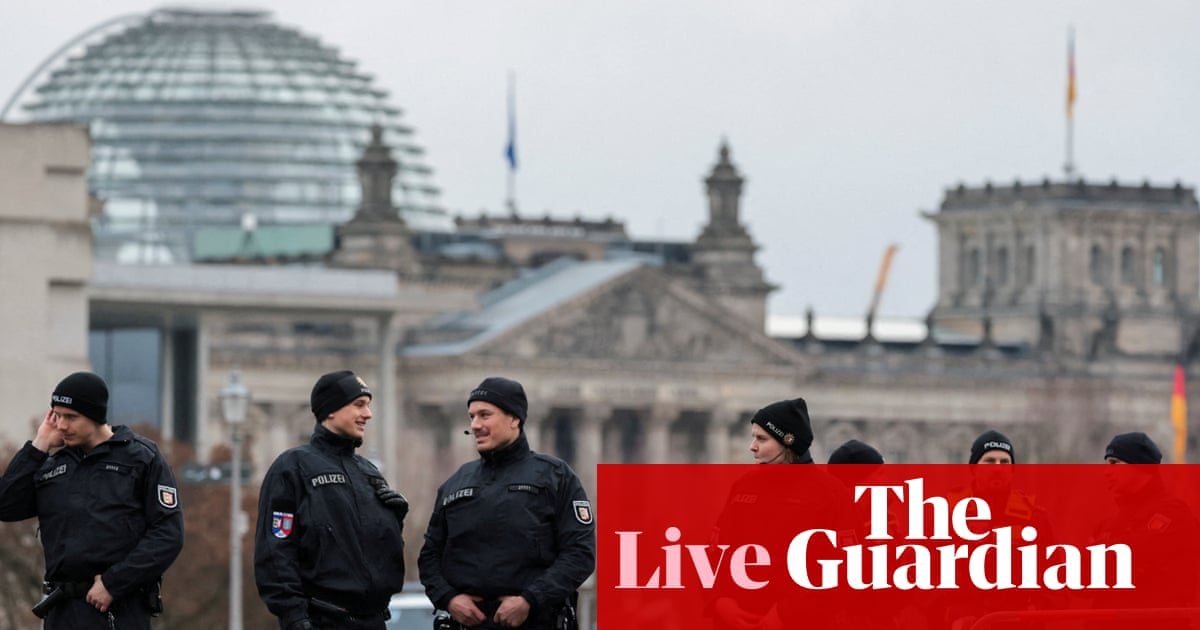
European leaders gathered in Berlin for emergency coordination talks alongside US peace envoys following a trilateral meeting in Shenzhen between Donald Trump, Vladimir Putin, and Xi Jinping.
 🤝Diplomacy
Photo: Guardian World
Key points
- European leaders meet in Berlin to coordinate Ukraine war strategy
- US peace envoys brief European officials on Trump-Putin-Xi summit
- Continental capitals express anxiety over shifting US diplomatic stance
European leaders belonging to the Coalition of the Willing assembled in Berlin on Thursday to coordinate their strategy on the ongoing war in Ukraine, following a high-stakes trilateral gathering in Shenzhen involving US President Donald Trump, Russian President Vladimir Putin, and Chinese President Xi Jinping. The unfolding diplomatic developments, including Trump's public praise of Putin, have prompted immediate anxiety among European capitals regarding the future direction of international peace efforts.
The newly formed European negotiating team—comprising Andy Burnham, Emmanuel Macron, Giorgia Meloni, Friedrich Merz, Donald Tusk, along with EU leadership Ursula von der Leyen and António Costa—joined a broad coalition of continental leaders. Ukrainian President Volodymyr Zelenskyy and NATO Secretary General Mark Rutte also participated in the emergency summit to receive direct briefings from US peace envoys Steve Witkoff and Jared Kushner regarding the outcomes of the Asian summit.
The discussions in Berlin highlight the acute vulnerability felt by European security architects as Washington recalibrates its diplomatic engagement with Moscow and Beijing. With the Coalition of the Willing striving to maintain a unified front, participants are weighing how potential US-led diplomatic frameworks might impact regional stability, alliance cohesion, and Ukraine's territorial integrity.
The stakes
European governments risk losing influence over the trajectory of the war if US-led peace initiatives bypass traditional NATO channels, potentially leaving Kyiv pressured to accept unfavourable terms while forcing the EU to independently shoulder long-term regional security guarantees.
Two readings
- Supporters argue that direct diplomatic engagement by Washington opens a viable pathway toward de-escalation and brings the conflict closer to a negotiated political settlement.
- Critics contend that sidelining core European security interests and signaling warmth toward Moscow undermines Western deterrence and rewards aggression.
Source Guardian World — theguardian.com/world/live/2026/nov/19/russia-ukraine-war-coalition… ↗
Read next
 ✒️Opinion & Analysis
ICJ Rules Myanmar Military Committed Genocide Against Rohingya
The International Court of Justice has found Myanmar's military guilty of genocide against the Rohingya, a ruling that damages the international standing of both Aung San…
 🕯️Democracy & Rights
Chinese teachers face rising parental pressure over personal life choices
Chinese educators are encountering a surge in unreasonable demands from parents, including complaints regarding teachers' pregnancy and maternity leave.
 🛡️War & Security
Ukraine Restricts Media Coverage of Infrastructure Damage Amid Russian Strikes
President Volodymyr Zelenskyy has issued a decree prohibiting media outlets from reporting on the impact of Russian strikes against critical infrastructure and the status…
 🏮China & Taiwan
Beijing Reaffirms Reunification Stance Following Taiwan Local Election Results
China’s Taiwan Affairs Office declared that the island’s reunification with the mainland remains inevitable, despite recent shifts in Taiwan's local political landscape.
 🇪🇺Europe
US Air Force Repels Unauthorized Drone Incursion at RAF Lakenheath
U.S. security forces at a British air base successfully countered a group of unidentified drones, amid growing concerns over potential foreign state involvement.
 ⚖️Law & Policy
India Government Proposes 50% Increase in Parliamentary Seats and Women's Reservation
The Indian government plans to introduce legislation to expand the Lok Sabha to 850 seats and mandate a 33% reservation for women in legislative bodies.