UN Top Court Rules Myanmar Committed Genocide Against Rohingya
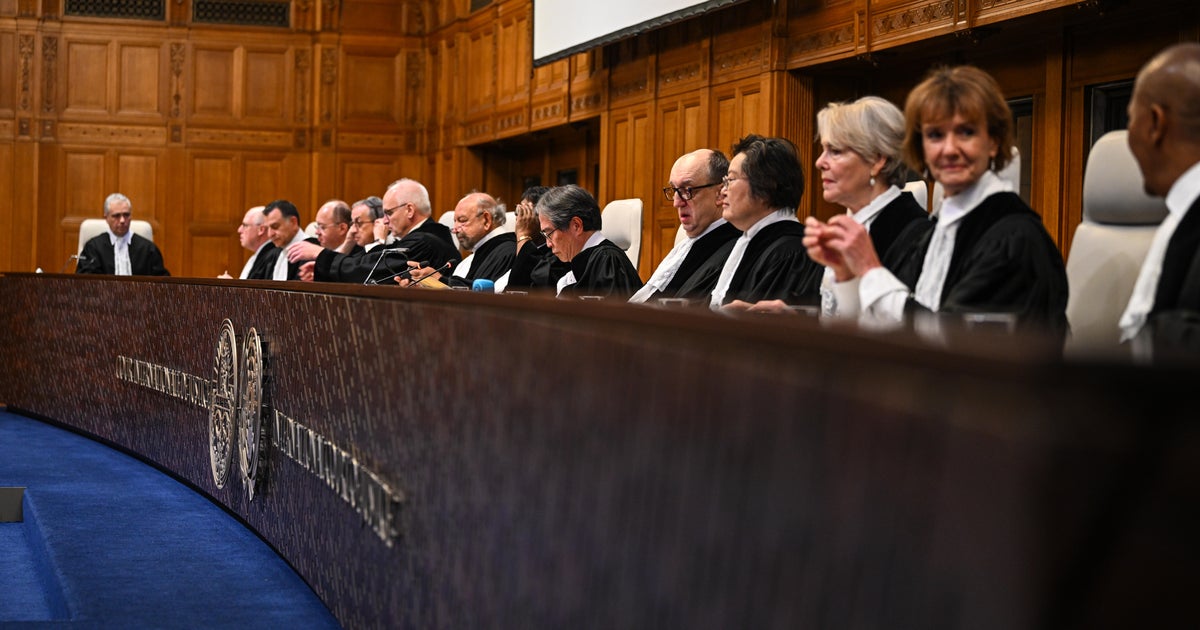
The International Court of Justice has ruled that Myanmar committed genocide against the Rohingya minority during a 2017 military campaign, marking the first time the tribunal has made such a finding against a state.
 🤝Diplomacy
Photo: CBS World
Key points
- International Court of Justice issues first-ever state genocide ruling
- Myanmar military found responsible for killing thousands of Rohingya in 2017
- Gambia brought the landmark case to The Hague in 2019
The International Court of Justice delivered a landmark judgment on Thursday, determining that Myanmar violated its obligations under the Genocide Convention through a brutal 2017 military operation in northern Rakhine state. In a 9-6 decision, the 15-judge panel rejected Myanmar's defense that the crackdown was a legitimate counter-insurgency effort, concluding instead that security forces killed roughly 10,000 civilians, carried out widespread sexual violence, and targeted children and fleeing populations.
The legal proceedings were initiated in 2019 by Gambia, a Muslim-majority African nation, which asked the tribunal to declare that Myanmar breached international law and to mandate accountability for those responsible. While the court's rulings are final and legally binding, the institution lacks an independent enforcement mechanism and must rely on reporting noncompliance to the United Nations Security Council.
The consequences of the ruling extend beyond Southeast Asia, as the tribunal currently manages separate genocide allegations concerning conflicts in Gaza and Ukraine. Legal experts note that the establishment of intent and methodology in this case could influence ongoing and future international litigations regarding state-sponsored atrocities.
The stakes
The ruling elevates the global standing of displaced populations by formally validating systemic abuses, yet practical remediation remains uncertain. If Myanmar refuses to cooperate or grant citizenship rights to the approximately 1.2 million refugees currently residing in crowded camps in Bangladesh, the court's reliance on the UN Security Council for enforcement could stall meaningful accountability and reparations.
Two readings
- Supporters' view: Advocates and human rights defenders hail the judgment as a historic victory for oppressed groups worldwide, proving that international justice mechanisms can formally recognize state-backed atrocities and combat impunity.
- Critics' or opposing view: Skeptics emphasize the inherent limitations of the tribunal's enforcement powers, arguing that binding decrees remain largely symbolic when targeted governments can safely ignore diplomatic and legal censure.
Source CBS World — cbsnews.com/news/myanmar-genocide-rohingyas-un-top-court/ ↗
Read next
 ✒️Opinion & Analysis
ICJ Rules Myanmar Military Committed Genocide Against Rohingya
The International Court of Justice has found Myanmar's military guilty of genocide against the Rohingya, a ruling that damages the international standing of both Aung San…
 🕯️Democracy & Rights
Chinese teachers face rising parental pressure over personal life choices
Chinese educators are encountering a surge in unreasonable demands from parents, including complaints regarding teachers' pregnancy and maternity leave.
 🛡️War & Security
Ukraine Restricts Media Coverage of Infrastructure Damage Amid Russian Strikes
President Volodymyr Zelenskyy has issued a decree prohibiting media outlets from reporting on the impact of Russian strikes against critical infrastructure and the status…
 🏮China & Taiwan
Beijing Reaffirms Reunification Stance Following Taiwan Local Election Results
China’s Taiwan Affairs Office declared that the island’s reunification with the mainland remains inevitable, despite recent shifts in Taiwan's local political landscape.
 🇪🇺Europe
US Air Force Repels Unauthorized Drone Incursion at RAF Lakenheath
U.S. security forces at a British air base successfully countered a group of unidentified drones, amid growing concerns over potential foreign state involvement.
 ⚖️Law & Policy
India Government Proposes 50% Increase in Parliamentary Seats and Women's Reservation
The Indian government plans to introduce legislation to expand the Lok Sabha to 850 seats and mandate a 33% reservation for women in legislative bodies.