ECB’s Panetta Criticizes EU Exclusion from U.S.-Russia-China Summit
Bank of Italy Governor Fabio Panetta has expressed concerns over the EU's absence from a high-level summit between the U.S., Russia, and China.
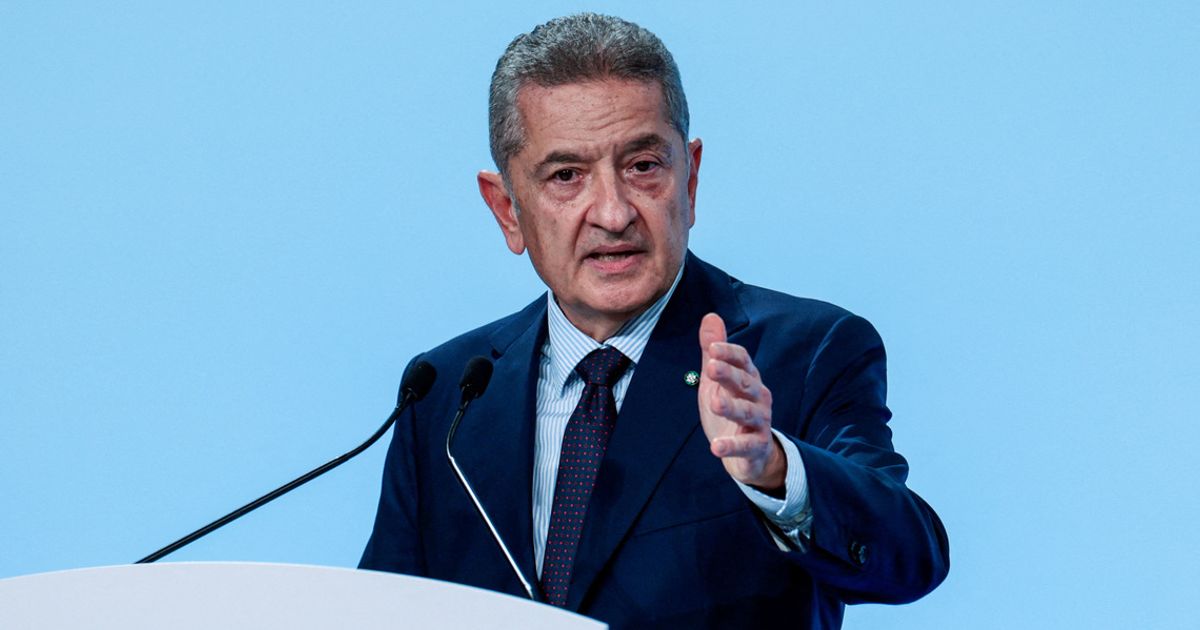 🤝Diplomacy
Photo: Straits Times Asia
Key points
- Fabio Panetta criticized the exclusion of the EU from a U.S.-Russia-China summit in Shenzhen.
- The summit produced a symbolic peace declaration but lacked concrete arms-control agreements.
- Panetta linked voter satisfaction to economic well-being and emphasized the need for fiscal discipline in Italy.
Fabio Panetta, a member of the European Central Bank Governing Council and Governor of the Bank of Italy, has voiced strong reservations regarding a recent summit held in Shenzhen between the leaders of the United States, Russia, and China. Speaking at an event near Rome, Panetta expressed his hope that the meeting would yield minimal substantive outcomes, specifically citing the exclusion of the European Union from the negotiations.
Panetta characterized the gathering as an attempt by the three global powers to consolidate and divide spheres of influence, noting that the EU’s absence leaves the bloc sidelined in critical international decision-making. While the three leaders issued a symbolic declaration affirming that nuclear conflict must be avoided, they failed to produce any concrete arms-control agreements or policy commitments.
The governor also addressed domestic and broader political trends, highlighting the recent U.S. midterm elections as a clear indicator that voters prioritize economic stability, employment, and purchasing power. Regarding Italy’s own economic trajectory, Panetta emphasized the necessity of maintaining fiscal discipline as the nation approaches its upcoming national election, while monitoring the domestic banking sector to prevent consumer harm during periods of consolidation.
The stakes
The exclusion of the European Union from trilateral summits involving the U.S., Russia, and China risks marginalizing European interests in global security and power-sharing arrangements. If such summits become the standard for setting global agendas, the EU may find its influence diminished, forcing the bloc to either seek a more unified foreign policy or risk becoming a passive observer in international affairs.
Two readings
- Supporters of the summit argue that direct dialogue between the world's three largest powers is essential to prevent nuclear escalation and manage global stability.
- Critics, including Panetta, argue that excluding the EU undermines the multilateral order and ignores the geopolitical necessity of including European perspectives in major power negotiations.
Source Straits Times Asia — straitstimes.com/asia/ecbs-panetta-hopes-us-russia-china-summit-yie… ↗
Read next
 ✒️Opinion & Analysis
ICJ Rules Myanmar Military Committed Genocide Against Rohingya
The International Court of Justice has found Myanmar's military guilty of genocide against the Rohingya, a ruling that damages the international standing of both Aung San…
 🕯️Democracy & Rights
Chinese teachers face rising parental pressure over personal life choices
Chinese educators are encountering a surge in unreasonable demands from parents, including complaints regarding teachers' pregnancy and maternity leave.
 🛡️War & Security
Ukraine Restricts Media Coverage of Infrastructure Damage Amid Russian Strikes
President Volodymyr Zelenskyy has issued a decree prohibiting media outlets from reporting on the impact of Russian strikes against critical infrastructure and the status…
 🏮China & Taiwan
Beijing Reaffirms Reunification Stance Following Taiwan Local Election Results
China’s Taiwan Affairs Office declared that the island’s reunification with the mainland remains inevitable, despite recent shifts in Taiwan's local political landscape.
 🇪🇺Europe
US Air Force Repels Unauthorized Drone Incursion at RAF Lakenheath
U.S. security forces at a British air base successfully countered a group of unidentified drones, amid growing concerns over potential foreign state involvement.
 ⚖️Law & Policy
India Government Proposes 50% Increase in Parliamentary Seats and Women's Reservation
The Indian government plans to introduce legislation to expand the Lok Sabha to 850 seats and mandate a 33% reservation for women in legislative bodies.