US Fuel Blockade and Sanctions Deepen Humanitarian Crisis in Cuba
Decades of United States sanctions, compounded by a strict fuel blockade initiated in January 2026, have severely disrupted public services, healthcare, and food distribution across Cuba.
 🤝Diplomacy
Photo: Just Security
Key points
- U.S. sanctions against Cuba span over six decades, originating in the early 1960s.
- A fuel blockade initiated in January 2026 has severely restricted oil supplies, causing widespread blackouts.
- UN experts warn that the restrictions disproportionately harm civilians and violate human rights standards.
Decades of unilateral coercive measures by the United States against Cuba, culminating in a comprehensive fuel blockade introduced in January 2026, have severely exacerbated the humanitarian crisis on the island. Originating with partial embargoes under the Eisenhower administration in 1960 and a full trade embargo under President Kennedy in 1962, these sanctions have progressively isolated Cuba from the international banking system.
International firms and global financial institutions, including major European banks that have faced multi-billion-dollar penalties from the U.S. Office of Foreign Assets Control, routinely avoid transactions with Cuban entities due to regulatory risks. While bilateral relations experienced a brief thaw during the final years of the Obama administration, the subsequent maximum-pressure campaign initiated in 2019 by the first Trump administration reimposed and expanded these restrictions.
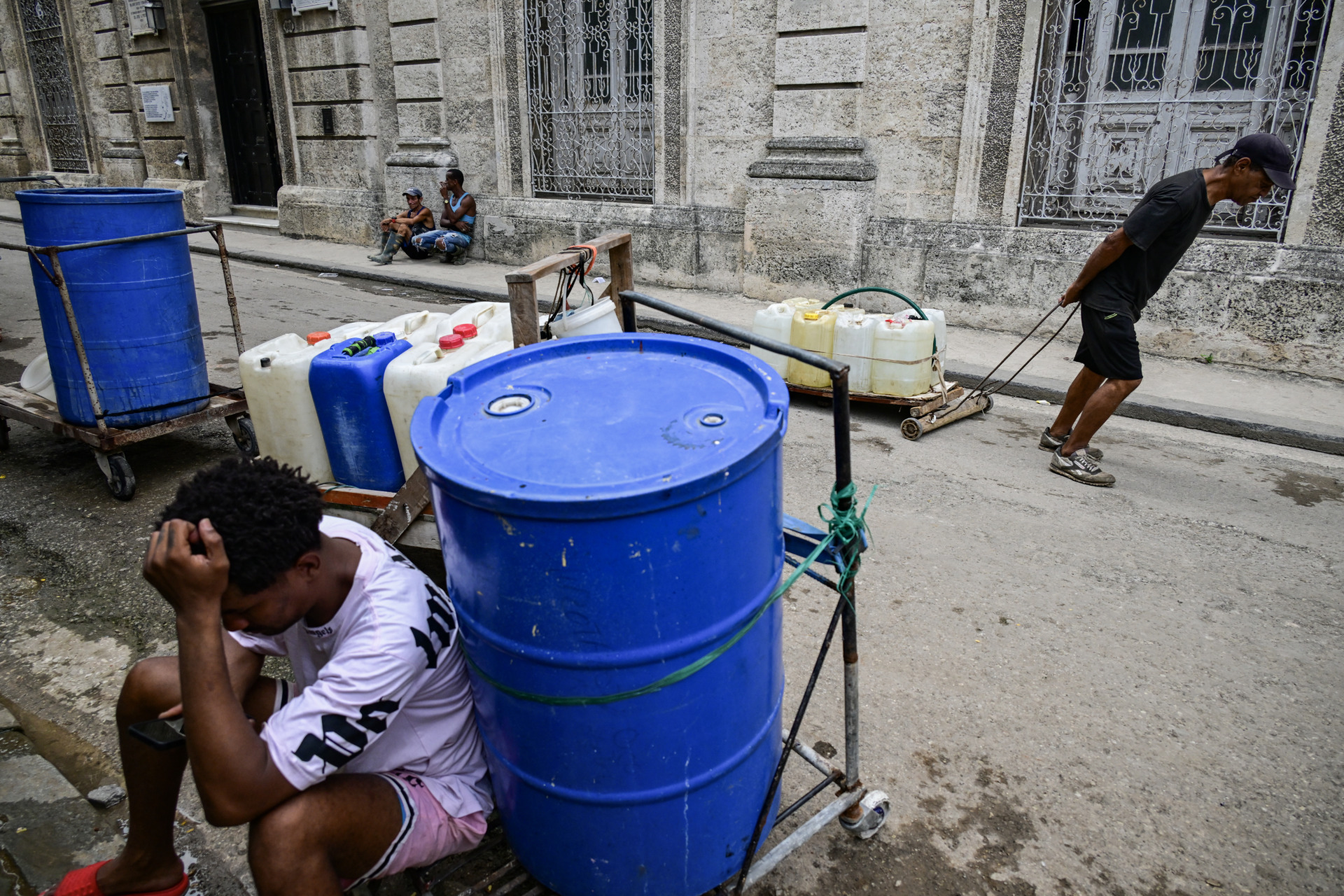
The 2026 fuel blockade has created acute shortages of oil and diesel, paralyzing agricultural machinery, disrupting food processing and refrigeration, and crippling public transportation networks. Prolonged electricity blackouts have directly interfered with critical infrastructure, compromising hospital operations, water distribution, and life-sustaining medical care for ordinary citizens.
Washington has consistently defended these extreme economic measures as a strategic instrument of regime change intended to foster democratic transition. However, United Nations special rapporteurs and legal observers have noted that the resulting hardships disproportionately burden the civilian population, raising serious concerns regarding consistency with international human rights norms.
The stakes
Ordinary Cuban citizens bear the primary burden of these economic measures through widespread shortages of food, medicine, and electricity, while the central government faces mounting systemic pressure. If these policies persist, the deepening infrastructural collapse risks accelerating migration crises and further straining basic human security across the island.
Two readings
- Supporters view the sanctions and fuel blockade as a necessary, high-pressure diplomatic tool designed to compel the Cuban government to initiate democratic reforms and respect human rights.
- Critics argue that the coercive measures constitute a form of collective punishment that violates international law by severely harming the civilian population's access to health, food, and basic utilities.
Source Just Security — justsecurity.org/159985/legality-economic-suffering-regime-change-c… ↗
Read next
 ✒️Opinion & Analysis
ICJ Rules Myanmar Military Committed Genocide Against Rohingya
The International Court of Justice has found Myanmar's military guilty of genocide against the Rohingya, a ruling that damages the international standing of both Aung San…
 🕯️Democracy & Rights
Chinese teachers face rising parental pressure over personal life choices
Chinese educators are encountering a surge in unreasonable demands from parents, including complaints regarding teachers' pregnancy and maternity leave.
 🛡️War & Security
Ukraine Restricts Media Coverage of Infrastructure Damage Amid Russian Strikes
President Volodymyr Zelenskyy has issued a decree prohibiting media outlets from reporting on the impact of Russian strikes against critical infrastructure and the status…
 🏮China & Taiwan
Beijing Reaffirms Reunification Stance Following Taiwan Local Election Results
China’s Taiwan Affairs Office declared that the island’s reunification with the mainland remains inevitable, despite recent shifts in Taiwan's local political landscape.
 🇪🇺Europe
US Air Force Repels Unauthorized Drone Incursion at RAF Lakenheath
U.S. security forces at a British air base successfully countered a group of unidentified drones, amid growing concerns over potential foreign state involvement.
 ⚖️Law & Policy
India Government Proposes 50% Increase in Parliamentary Seats and Women's Reservation
The Indian government plans to introduce legislation to expand the Lok Sabha to 850 seats and mandate a 33% reservation for women in legislative bodies.