Cyprus Leaders Agree to Open New Border Crossings and Plan Future Talks
Greek Cypriot and Turkish Cypriot leaders have agreed to open two new border crossings and coordinate on emergency responses during a UN-backed meeting in Nicosia aimed at breaking a decade of deadlock.
 🤝Diplomacy
Photo: Al-Monitor
Key points
- Greek and Turkish Cypriot leaders agreed to open two new border crossings.
- The meeting was held in a UN-controlled buffer zone with envoy Maria Angela Holguin.
- Both leaders plan to meet again with UN Secretary-General Antonio Guterres.
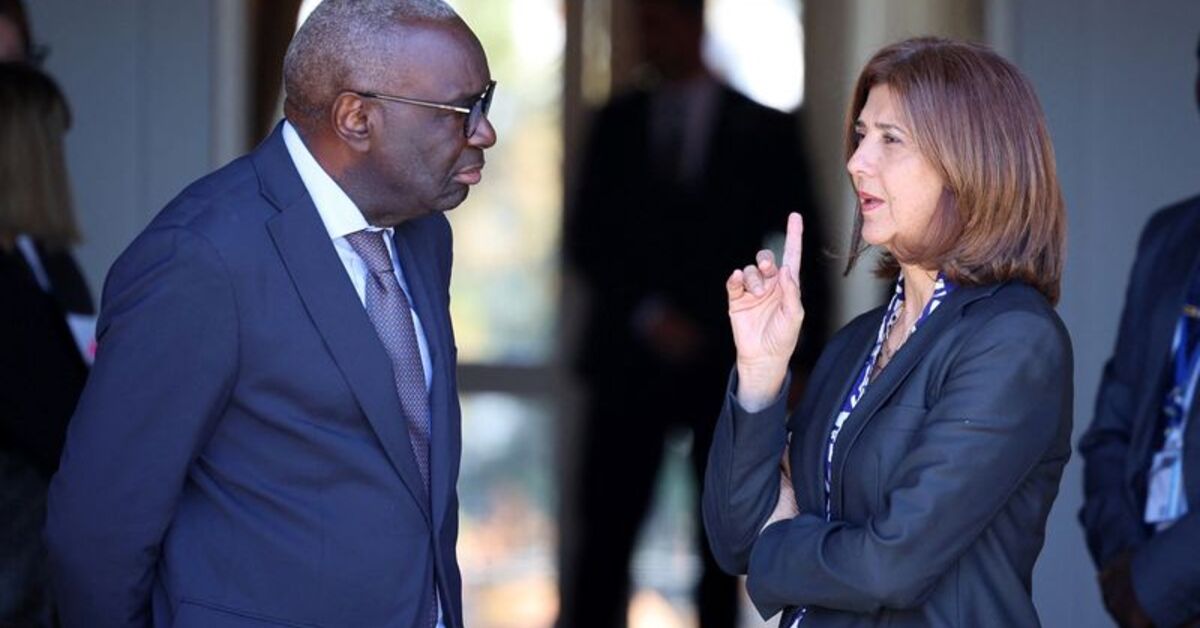
Greek Cypriot leader Nikos Christodoulides and Turkish Cypriot leader Tufan Erhurman met for four hours on Monday inside a UN-controlled buffer zone alongside UN special envoy Maria Angela Holguin. The discussions resulted in an agreement to open two additional border crossings, bringing the total number of transit points on the divided island to 11. In addition to the new crossings, the leaders agreed to cooperate on emergency responses and share archival materials.
The meeting marks a renewed push to restart formal reunification negotiations following nearly ten years of stalemate. The island has remained politically fractured since a 1974 Turkish military intervention, which followed a brief Athens-backed coup. A UN peacekeeping mission continues to patrol the 180-kilometer ceasefire line separating the two communities.
Previous negotiation rounds repeatedly collapsed over fundamental disagreements regarding governance models and security guarantees, particularly concerning the future role of Ankara. Greek Cypriot authorities strongly oppose any direct involvement by Turkey, whereas Turkish Cypriot leadership views Ankara's presence as indispensable for their security.
Following Monday's session, UN officials described the atmosphere as positive and announced that both leaders will convene again in the coming weeks alongside UN Secretary-General Antonio Guterres. Christodoulides emphasized to reporters that the ongoing diplomatic push aims to resume comprehensive talks before the conclusion of the Secretary-General's term.
The stakes
Civilians and local communities stand to gain from improved freedom of movement and practical cooperation, while political hardliners on both sides risk losing leverage if momentum toward formal negotiations continues to build.
Two readings
- Supporters read the agreement as a vital confidence-building step that humanizes the division and lays necessary groundwork for a sustainable peace settlement.
- Critics read the arrangement as a superficial gesture that bypasses core sovereignty disputes and fails to resolve the fundamental security architecture of the island.
Source Al-Monitor — al-monitor.com/originals/2026/11/cyprus-leaders-agree-open-new-bord… ↗
Read next
 ✒️Opinion & Analysis
ICJ Rules Myanmar Military Committed Genocide Against Rohingya
The International Court of Justice has found Myanmar's military guilty of genocide against the Rohingya, a ruling that damages the international standing of both Aung San…
 🕯️Democracy & Rights
Chinese teachers face rising parental pressure over personal life choices
Chinese educators are encountering a surge in unreasonable demands from parents, including complaints regarding teachers' pregnancy and maternity leave.
 🛡️War & Security
Ukraine Restricts Media Coverage of Infrastructure Damage Amid Russian Strikes
President Volodymyr Zelenskyy has issued a decree prohibiting media outlets from reporting on the impact of Russian strikes against critical infrastructure and the status…
 🏮China & Taiwan
Beijing Reaffirms Reunification Stance Following Taiwan Local Election Results
China’s Taiwan Affairs Office declared that the island’s reunification with the mainland remains inevitable, despite recent shifts in Taiwan's local political landscape.
 🇪🇺Europe
US Air Force Repels Unauthorized Drone Incursion at RAF Lakenheath
U.S. security forces at a British air base successfully countered a group of unidentified drones, amid growing concerns over potential foreign state involvement.
 ⚖️Law & Policy
India Government Proposes 50% Increase in Parliamentary Seats and Women's Reservation
The Indian government plans to introduce legislation to expand the Lok Sabha to 850 seats and mandate a 33% reservation for women in legislative bodies.