Australia and Philippines Strengthen Defense Ties Amid ASEAN Summit
Australia and the Philippines have formalized a new defense cooperation agreement, highlighting a shift toward bilateral security arrangements within Southeast Asia.
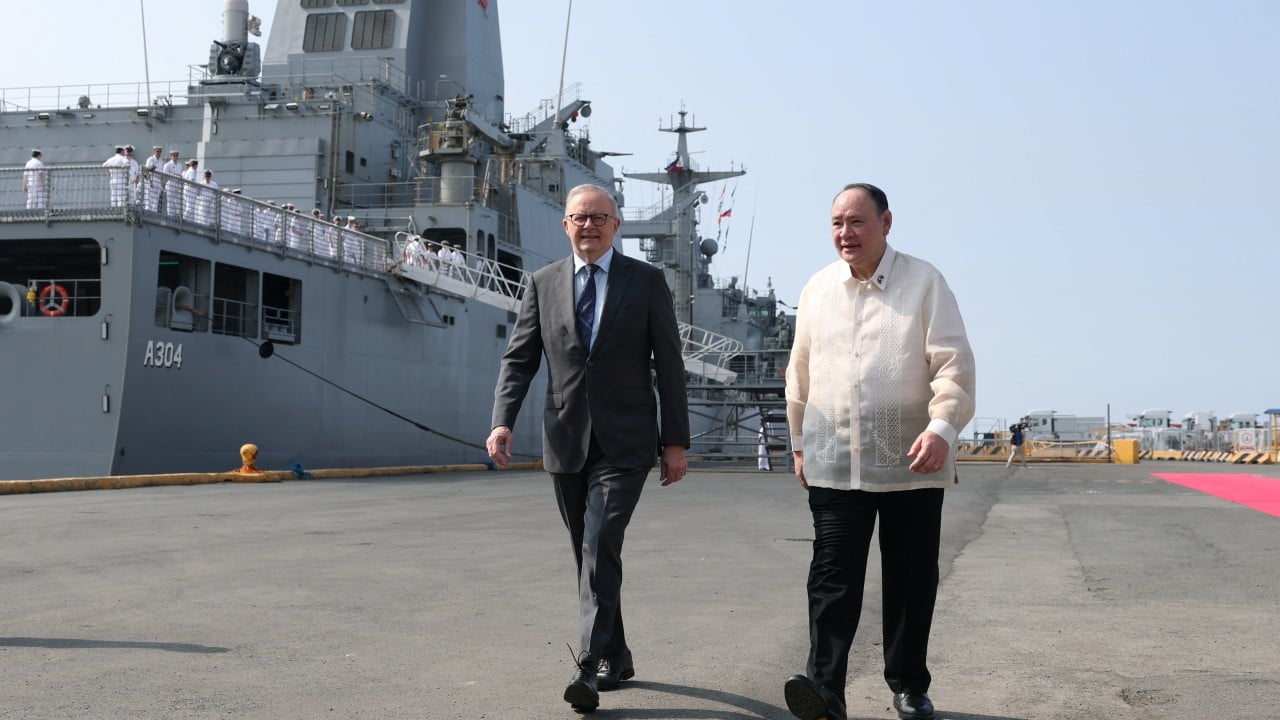 🤝Diplomacy
Photo: SCMP Asia
Key points
- Australia and the Philippines signed a new defense cooperation agreement.
- The pact was finalized during the 49th ASEAN summit in Manila.
- The deal reflects a trend toward bilateral security arrangements over bloc-wide consensus.
On November 15, Australia and the Philippines signed a new defense cooperation arrangement, a move that coincided with the 49th ASEAN summit in Manila. While the regional bloc gathered to emphasize collective cooperation, the bilateral deal signaled a push for more practical and immediate military partnership between the two nations.
The agreement underscores a growing trend where individual Southeast Asian states seek closer security ties with external partners to address regional concerns. By formalizing this arrangement, Manila and Canberra are positioning themselves to enhance operational readiness and military interoperability outside the traditional framework of the ten-member association.
This development reflects broader geopolitical shifts in the Indo-Pacific, where the limitations of existing multilateral security architectures are increasingly apparent. As ASEAN struggles to maintain a unified stance on regional security challenges, bilateral and minilateral pacts are becoming the preferred mechanism for countries looking to bolster their defense capabilities.
The stakes
The Philippines gains enhanced security support and defense infrastructure, while Australia strengthens its strategic footprint in the Indo-Pacific. This shift risks marginalizing the ASEAN bloc's central role in regional security, potentially leading to a more fragmented security landscape where individual alliances supersede collective regional consensus.
Two readings
- Supporters view the agreement as a pragmatic necessity to ensure national sovereignty and regional stability in the face of evolving security threats.
- Critics argue that such bilateral deals undermine ASEAN's long-standing policy of regional centrality and may exacerbate diplomatic tensions within the bloc.
Source SCMP Asia — scmp.com/opinion/asia-opinion/article/3374878/australia-philippine-… ↗
Read next
 ✒️Opinion & Analysis
ICJ Rules Myanmar Military Committed Genocide Against Rohingya
The International Court of Justice has found Myanmar's military guilty of genocide against the Rohingya, a ruling that damages the international standing of both Aung San…
 🕯️Democracy & Rights
Chinese teachers face rising parental pressure over personal life choices
Chinese educators are encountering a surge in unreasonable demands from parents, including complaints regarding teachers' pregnancy and maternity leave.
 🛡️War & Security
Ukraine Restricts Media Coverage of Infrastructure Damage Amid Russian Strikes
President Volodymyr Zelenskyy has issued a decree prohibiting media outlets from reporting on the impact of Russian strikes against critical infrastructure and the status…
 🏮China & Taiwan
Beijing Reaffirms Reunification Stance Following Taiwan Local Election Results
China’s Taiwan Affairs Office declared that the island’s reunification with the mainland remains inevitable, despite recent shifts in Taiwan's local political landscape.
 🇪🇺Europe
US Air Force Repels Unauthorized Drone Incursion at RAF Lakenheath
U.S. security forces at a British air base successfully countered a group of unidentified drones, amid growing concerns over potential foreign state involvement.
 ⚖️Law & Policy
India Government Proposes 50% Increase in Parliamentary Seats and Women's Reservation
The Indian government plans to introduce legislation to expand the Lok Sabha to 850 seats and mandate a 33% reservation for women in legislative bodies.