China and ASEAN Nations Stumble Over South China Sea Code of Conduct
The Philippines and other ASEAN nations have abandoned plans to finalize a South China Sea code of conduct due to deep disagreements with Beijing over binding terms and territorial scope.
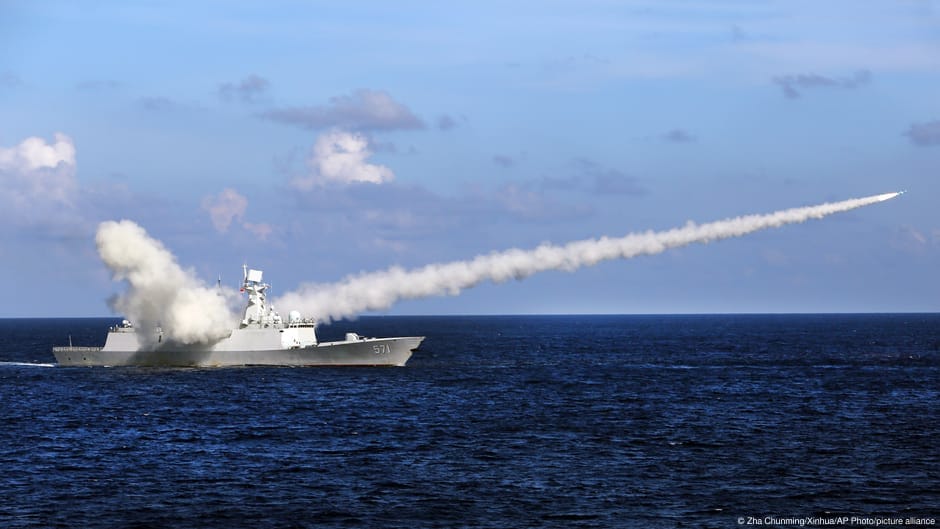 🤝Diplomacy
Photo: DW World
Key points
- ASEAN and China abandon goal of a 2026 code of conduct.
- Disagreements center on legal binding and geographic scope.
- Internal ASEAN divisions further stall consensus.
Philippine Foreign Secretary Theresa Lazaro announced in mid-November at the Manila summit that efforts to establish a code of conduct for the South China Sea during the 2026 Philippine ASEAN presidency had fallen short. Although negotiators have cleared roughly 80 percent of the text over the past twelve years, core disputes regarding the treaty's geographic boundaries and legal enforceability remain completely unresolved.
The negotiations are deadlocked over fundamental issues, including how to define an escalation or incident at sea, such as the deployment of water cannons or supply vessel blockades. While nations like Vietnam push to include contested areas like the Paracel Islands, China rejects such inclusions. Furthermore, analysts note that Beijing benefits from keeping the dispute simmering without submitting to legally binding restrictions that would limit its expansive Nine-Dash Line maritime claims.
Internal divisions within the eleven-member Association of Southeast Asian Nations further complicate the diplomatic process. While Manila and Hanoi frequently clash with Beijing over maritime incursions, countries such as Cambodia and Laos maintain close economic ties with China, utilizing the bloc's consensus rule to stall unified opposition.
The stakes
Failure to secure a binding agreement leaves the strategic shipping lane vulnerable to military escalation and persistent friction between Beijing and rival claimants, preserving China's dominant position while exposing smaller regional actors to unchecked maritime pressure.
Two readings
- Supporters of continued talks argue that maintaining dialogue is vital to prevent accidental military clashes and establish baseline communication rules in a tense maritime zone.
- Critics contend that the twelve-year stalemate demonstrates the process is a diplomatic smokescreen allowing Beijing to consolidate territorial gains without genuine concessions.
Source DW World — dw.com/en/china-asean-countries-struggle-over-south-china-sea-code-… ↗
Read next
 ✒️Opinion & Analysis
ICJ Rules Myanmar Military Committed Genocide Against Rohingya
The International Court of Justice has found Myanmar's military guilty of genocide against the Rohingya, a ruling that damages the international standing of both Aung San…
 🕯️Democracy & Rights
Chinese teachers face rising parental pressure over personal life choices
Chinese educators are encountering a surge in unreasonable demands from parents, including complaints regarding teachers' pregnancy and maternity leave.
 🛡️War & Security
Ukraine Restricts Media Coverage of Infrastructure Damage Amid Russian Strikes
President Volodymyr Zelenskyy has issued a decree prohibiting media outlets from reporting on the impact of Russian strikes against critical infrastructure and the status…
 🏮China & Taiwan
Beijing Reaffirms Reunification Stance Following Taiwan Local Election Results
China’s Taiwan Affairs Office declared that the island’s reunification with the mainland remains inevitable, despite recent shifts in Taiwan's local political landscape.
 🇪🇺Europe
US Air Force Repels Unauthorized Drone Incursion at RAF Lakenheath
U.S. security forces at a British air base successfully countered a group of unidentified drones, amid growing concerns over potential foreign state involvement.
 ⚖️Law & Policy
India Government Proposes 50% Increase in Parliamentary Seats and Women's Reservation
The Indian government plans to introduce legislation to expand the Lok Sabha to 850 seats and mandate a 33% reservation for women in legislative bodies.