Iranian Red Crescent Proposes BRICS Network to Empower Women
The Iranian Red Crescent Society has proposed a new BRICS network aimed at enhancing women's economic and social resilience through shared expertise and digital markets.
 🤝Diplomacy
Photo: Tehran Times
Key points
- IRCS proposes a BRICS network for women's empowerment.
- Proposal introduced at the Saint Petersburg Youth Women's Forum.
- Highlights Iran's domestic YAS program supporting young women.
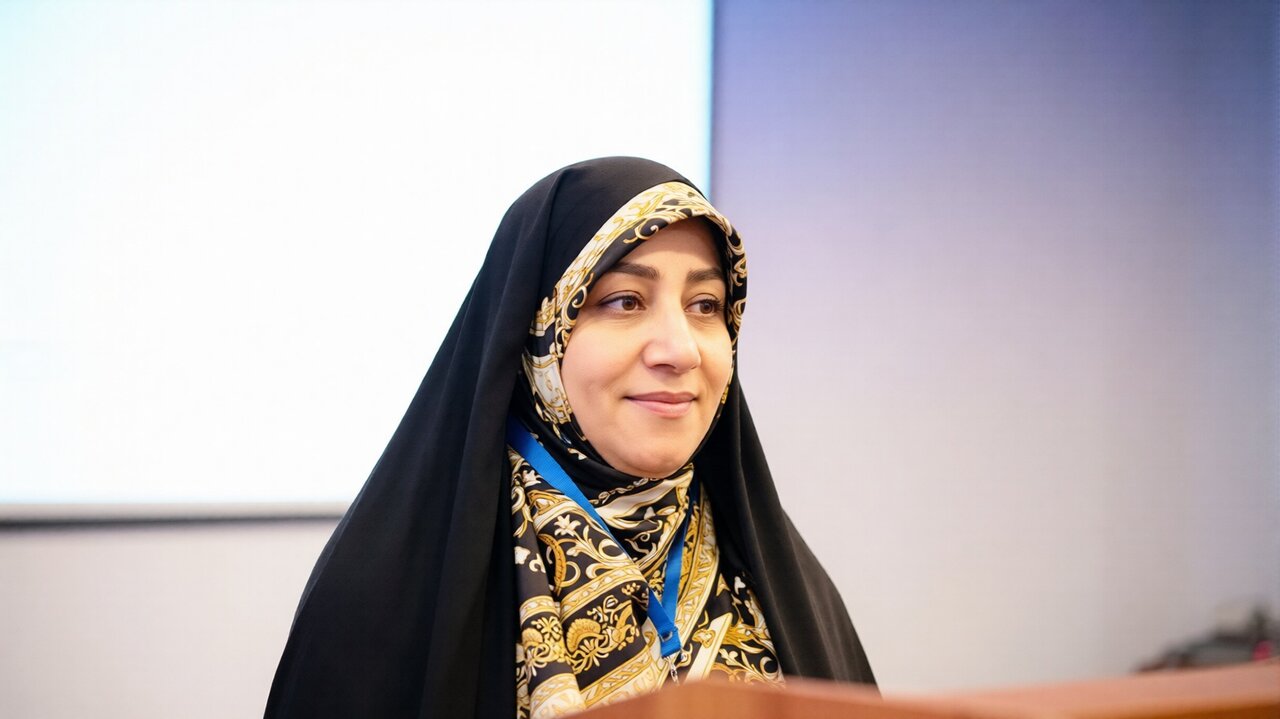
The Iranian Red Crescent Society (IRCS) has formally proposed the creation of a dedicated BRICS network designed to empower creative and resilient women across member states. Razieh Alishvandi, the IRCS deputy director for international and humanitarian law affairs, introduced the initiative during the International BRICS Youth Women's Forum held in Saint Petersburg, Russia, from November 19 to 21.
According to the IRCS, the proposed platform seeks to facilitate knowledge sharing, coordinate joint exhibitions, advance digital education, and help small businesses led by women access regional and international markets. Alishvandi emphasized that investments in female capabilities directly support societal advancement and national economic growth. During her address, she also highlighted Iran's domestic 'YAS' initiative, launched in 2024 to provide life skills, emergency training, and sustainable employment assistance to roughly 80,000 young women across 31 provinces.
The Saint Petersburg forum, themed 'Dialogue of Generations for the Future,' gathered young leaders and representatives of women's organizations to debate a shared agenda concerning economic empowerment, AI integration in creative sectors, healthcare, and public diplomacy. This follows earlier Iranian diplomatic engagements on the bloc's platform, including a July address by Narjes Abolqasemi at the BRICS Working Women Group meeting in India regarding family-centered empowerment policies.
The stakes
If established, the proposed network could expand international commercial and social linkages for women entrepreneurs within BRICS nations. Supporters stand to gain new digital marketplaces and multilateral cooperation frameworks, while success depends heavily on securing consensus and funding among diverse member governments.
Two readings
- Supporters view the proposed network as a practical tool to foster South-South cooperation, digital inclusion, and mutual economic resilience for women entrepreneurs.
- Critics may regard such multilateral bodies as largely symbolic forums that produce few binding commitments or tangible policy changes on the ground.
Source Tehran Times — tehrantimes.com/news/532409/IRCS-proposes-BRICS-network-for-creativ… ↗
Read next
 ✒️Opinion & Analysis
ICJ Rules Myanmar Military Committed Genocide Against Rohingya
The International Court of Justice has found Myanmar's military guilty of genocide against the Rohingya, a ruling that damages the international standing of both Aung San…
 🕯️Democracy & Rights
Chinese teachers face rising parental pressure over personal life choices
Chinese educators are encountering a surge in unreasonable demands from parents, including complaints regarding teachers' pregnancy and maternity leave.
 🛡️War & Security
Ukraine Restricts Media Coverage of Infrastructure Damage Amid Russian Strikes
President Volodymyr Zelenskyy has issued a decree prohibiting media outlets from reporting on the impact of Russian strikes against critical infrastructure and the status…
 🏮China & Taiwan
Beijing Reaffirms Reunification Stance Following Taiwan Local Election Results
China’s Taiwan Affairs Office declared that the island’s reunification with the mainland remains inevitable, despite recent shifts in Taiwan's local political landscape.
 🇪🇺Europe
US Air Force Repels Unauthorized Drone Incursion at RAF Lakenheath
U.S. security forces at a British air base successfully countered a group of unidentified drones, amid growing concerns over potential foreign state involvement.
 ⚖️Law & Policy
India Government Proposes 50% Increase in Parliamentary Seats and Women's Reservation
The Indian government plans to introduce legislation to expand the Lok Sabha to 850 seats and mandate a 33% reservation for women in legislative bodies.