UK Universities Suspend Cuba Exchange Programs Amid Crisis
The University of Cambridge and University of Nottingham have halted student exchanges to Cuba following official travel warnings regarding severe energy shortages and political instability.
 🤝Diplomacy
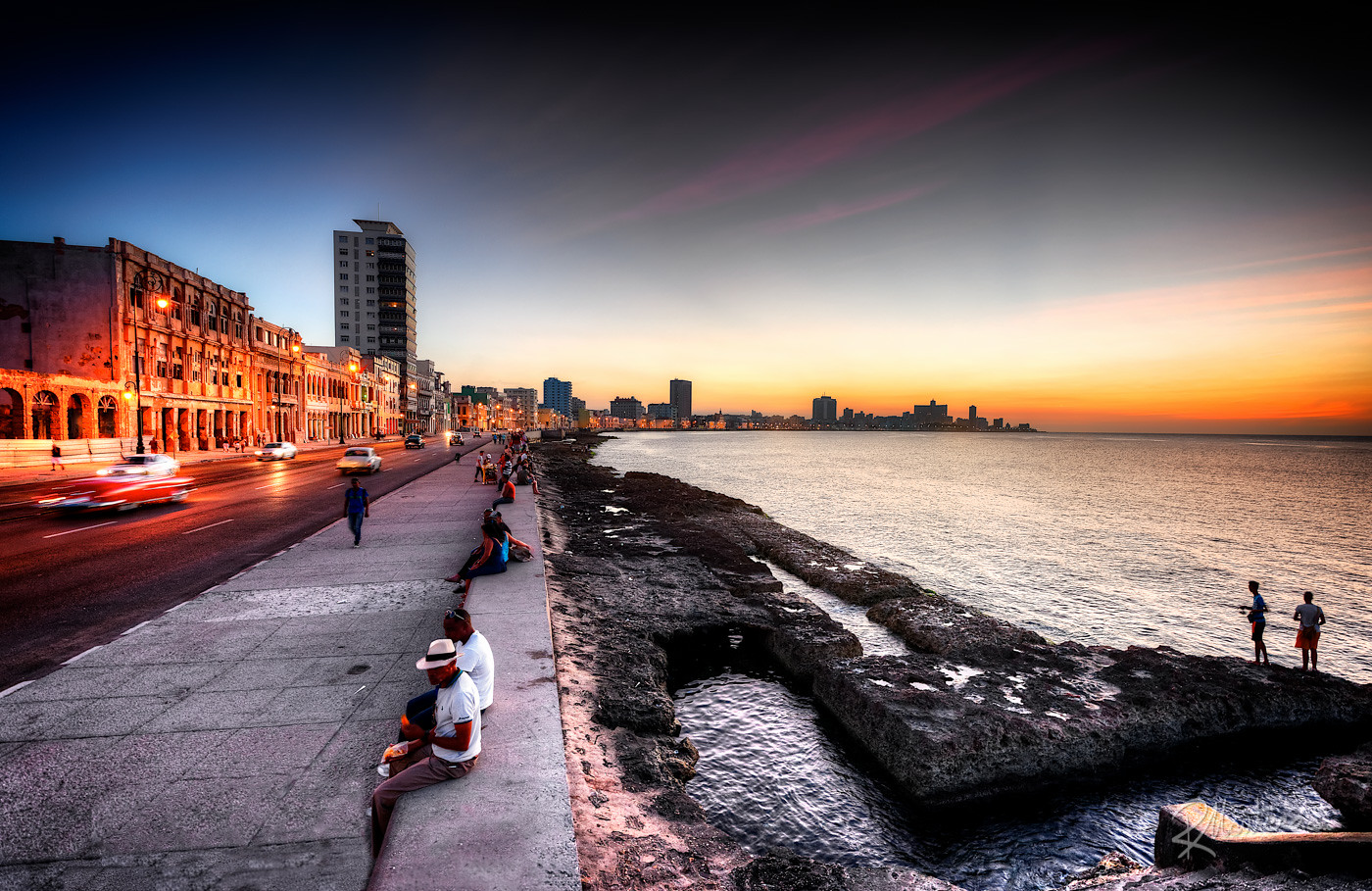
Photo: Latin America Reports
Key points
- University of Cambridge and University of Nottingham suspend Cuba study abroad programmes
- Decision follows UK FCDO travel warnings citing energy shortages and instability
- Alumni and academics debate whether the suspension increases Cuba's international isolation
The University of Cambridge and the University of Nottingham have suspended their academic study abroad programmes in Cuba following an official warning from the UK’s Foreign, Commonwealth and Development Office (FCDO) against all non-essential travel to the island. Academic officials confirmed the pauses, noting that institutional policies are strictly tied to government travel guidelines primarily due to insurance constraints and student safety mandates.
The FCDO travel advisory highlights severe shortages of water, fuel, electricity, and basic provisions across the island, alongside frequent protests and payment processing failures stemming from the Cuban Central Bank’s rejection of international cards. Professors and administrators expressed regret over the interruptions, emphasizing the academic value of the exchanges in fostering a nuanced understanding of Cuban society, politics, and the broader impacts of American sanctions.
Former exchange participants voiced mixed reactions to the suspensions. While some defended the universities for prioritizing student safety amid worsening blackouts and resource scarcity, others warned that halting exchanges deepens Cuba's international isolation and reduces firsthand global awareness of the island's socioeconomic conditions under intensifying foreign trade restrictions.
The stakes
If these suspensions become permanent, academic and cultural bridges between British institutions and Cuba will sever, potentially diminishing independent international observation of the island's ongoing economic crisis while prioritizing institutional liability and student safety.
Two readings
- Supporters read the decision as a necessary and prudent adherence to official safety guidelines in the face of mounting infrastructural collapse, severe shortages, and financial system failures in Havana.
- Critics view the move as an unfortunate retreat that reinforces Cuba's diplomatic isolation and obscures the real-world humanitarian impacts of foreign sanctions from Western observers.
Source Latin America Reports — latinamericareports.com/uk-universities-quietly-suspend-cuba-study-abro… ↗
Read next
 ✒️Opinion & Analysis
ICJ Rules Myanmar Military Committed Genocide Against Rohingya
The International Court of Justice has found Myanmar's military guilty of genocide against the Rohingya, a ruling that damages the international standing of both Aung San…
 🕯️Democracy & Rights
Chinese teachers face rising parental pressure over personal life choices
Chinese educators are encountering a surge in unreasonable demands from parents, including complaints regarding teachers' pregnancy and maternity leave.
 🛡️War & Security
Ukraine Restricts Media Coverage of Infrastructure Damage Amid Russian Strikes
President Volodymyr Zelenskyy has issued a decree prohibiting media outlets from reporting on the impact of Russian strikes against critical infrastructure and the status…
 🏮China & Taiwan
Beijing Reaffirms Reunification Stance Following Taiwan Local Election Results
China’s Taiwan Affairs Office declared that the island’s reunification with the mainland remains inevitable, despite recent shifts in Taiwan's local political landscape.
 🇪🇺Europe
US Air Force Repels Unauthorized Drone Incursion at RAF Lakenheath
U.S. security forces at a British air base successfully countered a group of unidentified drones, amid growing concerns over potential foreign state involvement.
 ⚖️Law & Policy
India Government Proposes 50% Increase in Parliamentary Seats and Women's Reservation
The Indian government plans to introduce legislation to expand the Lok Sabha to 850 seats and mandate a 33% reservation for women in legislative bodies.