IOM Reports Severe Humanitarian Needs Among Ethiopian Refugees in Kenya
Approximately 50,000 individuals who fled Ethiopia for Moyale in Kenya since late October face acute shortages of food, clean water, and medical care.
 🤝Diplomacy
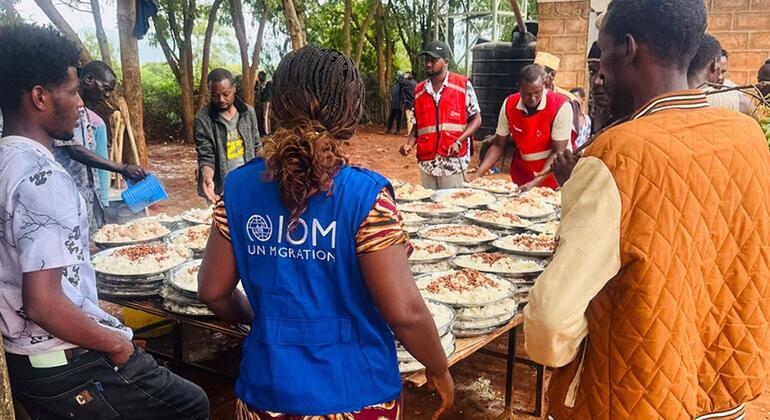
Photo: UN News
Key points
- 50,000 Ethiopians crossed into Moyale, Kenya, since late October
- 71 percent of displaced households lack sufficient food
- Over half of the new arrivals are children under five years old
Roughly 50,000 people have crossed the border from Ethiopia into the Moyale region of Kenya since late October, encountering severe shortages of sustenance, clean water, and proper shelter, according to data released by the International Organization for Migration. A joint assessment conducted by Kenyan authorities alongside UN agencies and non-governmental organizations revealed that 71 percent of displaced households lack adequate food supplies, with 80 percent designating nourishment as their most critical requirement.
The displacement crisis stems primarily from the Oromia and Somali regions of Ethiopia, with 96 percent of surveyed households originating from those areas. Ninety percent of respondents reported that their entire home villages emptied out during the exodus. Children make up more than half of the incoming population, including numerous infants under five years of age, intensifying worries regarding potential disease outbreaks and developmental setbacks in temporary settlements.
Host communities in Moyale are currently absorbing the influx, sharing already strained local resources while other families seek refuge inside educational facilities or sleep outdoors. Furthermore, 44 percent of households lack sufficient drinking water, more than three-quarters have no handwashing amenities, and over half face barriers to healthcare due to prohibitive costs and severe medicine shortages.
The stakes
The unfolding humanitarian emergency threatens regional stability as local infrastructure in southern Kenya buckles under extreme demographic pressure. If international aid fails to materialize quickly, health crises among vulnerable children could deepen, placing long-term socioeconomic and security burdens on both local authorities and the host government.
Two readings
- Supporters of rapid humanitarian intervention argue that immediate international funding and relief deployment are essential to prevent widespread mortality and stabilize the border region.
- Critics of current border management point to chronic underfunding and the absence of long-term diplomatic solutions addressing the root causes of internal conflict within Ethiopia.
Source UN News — news.un.org/feed/view/en/story/2026/11/1168762 ↗
Read next
 ✒️Opinion & Analysis
ICJ Rules Myanmar Military Committed Genocide Against Rohingya
The International Court of Justice has found Myanmar's military guilty of genocide against the Rohingya, a ruling that damages the international standing of both Aung San…
 🕯️Democracy & Rights
Chinese teachers face rising parental pressure over personal life choices
Chinese educators are encountering a surge in unreasonable demands from parents, including complaints regarding teachers' pregnancy and maternity leave.
 🛡️War & Security
Ukraine Restricts Media Coverage of Infrastructure Damage Amid Russian Strikes
President Volodymyr Zelenskyy has issued a decree prohibiting media outlets from reporting on the impact of Russian strikes against critical infrastructure and the status…
 🏮China & Taiwan
Beijing Reaffirms Reunification Stance Following Taiwan Local Election Results
China’s Taiwan Affairs Office declared that the island’s reunification with the mainland remains inevitable, despite recent shifts in Taiwan's local political landscape.
 🇪🇺Europe
US Air Force Repels Unauthorized Drone Incursion at RAF Lakenheath
U.S. security forces at a British air base successfully countered a group of unidentified drones, amid growing concerns over potential foreign state involvement.
 ⚖️Law & Policy
India Government Proposes 50% Increase in Parliamentary Seats and Women's Reservation
The Indian government plans to introduce legislation to expand the Lok Sabha to 850 seats and mandate a 33% reservation for women in legislative bodies.