Tajikistan Initiates Withdrawal from International Criminal Court
Tajikistan has formally begun the process to withdraw from the International Criminal Court, becoming the latest nation to exit the tribunal following public pressure from the United States.
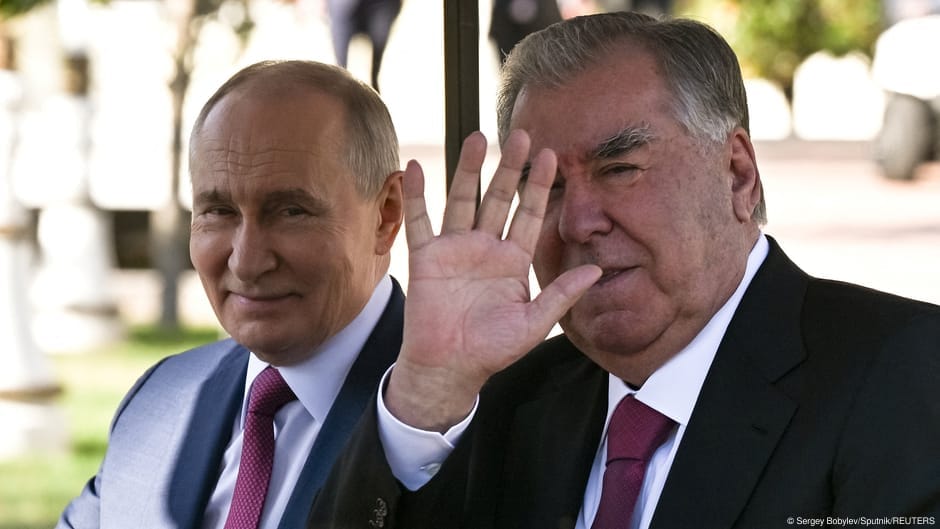 🤝Diplomacy
Photo: DW English
Key points
- Tajikistan begins one-year process to leave the ICC
- U.S. administration actively campaigning against the court's jurisdiction
- Move follows international scrutiny of Russian leadership over Ukraine war
- ICC warns withdrawal undermines global accountability efforts
Tajikistan has officially notified the International Criminal Court (ICC) of its intent to withdraw from the Rome Statute, a move that initiates a one-year exit process. The announcement followed a high-level meeting in Shenzhen, China, where President Donald Trump and Secretary of State Marco Rubio reiterated their opposition to the tribunal, characterizing it as an overreach of jurisdictional authority.
The decision by the Tajik government coincides with a broader diplomatic push led by the United States to challenge the legitimacy of the Hague-based court. The ICC, which is tasked with prosecuting individuals for genocide, war crimes, and crimes against humanity, currently holds an active arrest warrant for Russian President Vladimir Putin related to the invasion of Ukraine. During a trilateral summit involving the leaders of the U.S., Russia, and China, President Trump’s vocal criticism of the court was met with visible approval from the Russian delegation.
The ICC expressed formal regret over Tajikistan's departure, warning that the move hampers global initiatives to ensure accountability for international atrocities. Tajikistan, which originally ratified the Rome Statute in 2000, joins a growing list of nations—including Chad, Nauru, Venezuela, and several West African states—that have recently distanced themselves from the institution, often citing concerns over perceived neocolonial bias or political interference.
The stakes
The withdrawal signals a significant erosion of the ICC’s global mandate, potentially emboldening other nations to exit the treaty to avoid international oversight. While the court loses a signatory, the primary beneficiaries are political leaders facing potential prosecution, as the exit reduces the tribunal's reach and undermines the international legal framework designed to combat impunity for war crimes.
Two readings
- Supporters of the withdrawal argue that the ICC acts as a tool of political overreach that infringes upon national sovereignty and unfairly targets specific geopolitical interests.
- Critics of the move contend that Tajikistan's departure is a calculated attempt to shield leadership from accountability, thereby weakening the global rule of law and justice for victims of atrocities.
Source DW English — dw.com/en/tajikistan-follows-us-call-withdraws-from-icc/a-80023903?… ↗
Read next
 ✒️Opinion & Analysis
ICJ Rules Myanmar Military Committed Genocide Against Rohingya
The International Court of Justice has found Myanmar's military guilty of genocide against the Rohingya, a ruling that damages the international standing of both Aung San…
 🕯️Democracy & Rights
Chinese teachers face rising parental pressure over personal life choices
Chinese educators are encountering a surge in unreasonable demands from parents, including complaints regarding teachers' pregnancy and maternity leave.
 🛡️War & Security
Ukraine Restricts Media Coverage of Infrastructure Damage Amid Russian Strikes
President Volodymyr Zelenskyy has issued a decree prohibiting media outlets from reporting on the impact of Russian strikes against critical infrastructure and the status…
 🏮China & Taiwan
Beijing Reaffirms Reunification Stance Following Taiwan Local Election Results
China’s Taiwan Affairs Office declared that the island’s reunification with the mainland remains inevitable, despite recent shifts in Taiwan's local political landscape.
 🇪🇺Europe
US Air Force Repels Unauthorized Drone Incursion at RAF Lakenheath
U.S. security forces at a British air base successfully countered a group of unidentified drones, amid growing concerns over potential foreign state involvement.
 ⚖️Law & Policy
India Government Proposes 50% Increase in Parliamentary Seats and Women's Reservation
The Indian government plans to introduce legislation to expand the Lok Sabha to 850 seats and mandate a 33% reservation for women in legislative bodies.