France Launches G7-Backed Ports Alliance to Combat Global Drug Networks
France has established a new international network linking major ports and customs agencies to disrupt global narcotics trafficking routes through enhanced intelligence sharing.
 🤝Diplomacy
Photo: Straits Times Asia
Key points
- France launched a G7-backed port network to fight drug trafficking on November 9.
- The initiative brings together 14 global ports, G7 nations, Brazil, South Korea, and international bodies.
- France previously expanded anti-narcotics personnel in Latin America and the Caribbean by over 30%.
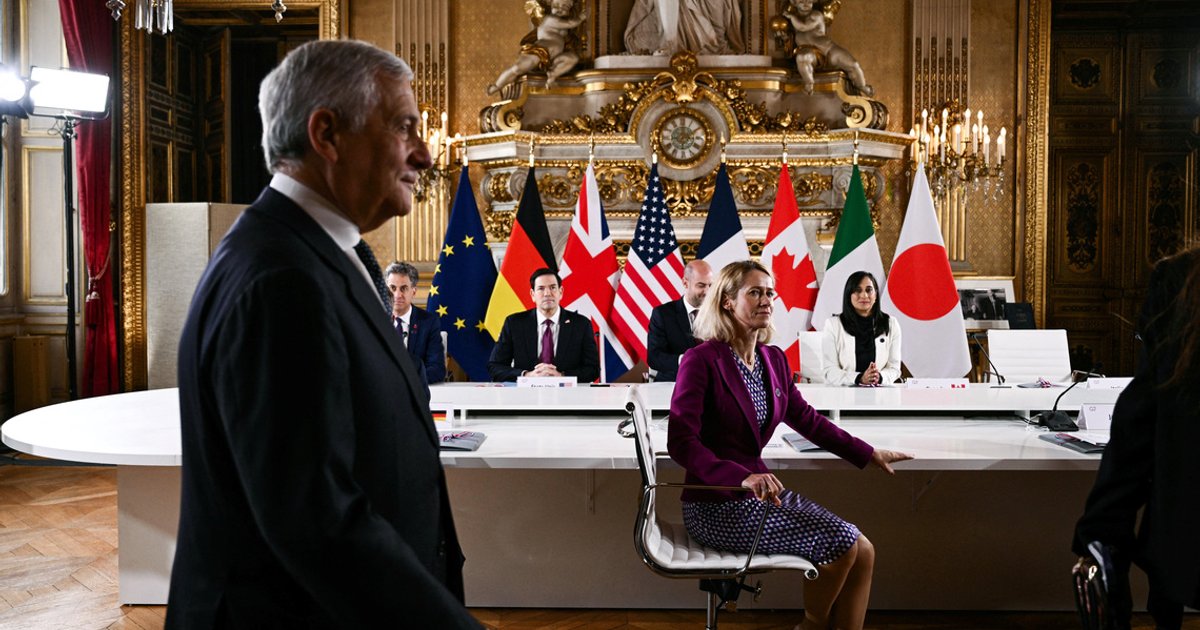
France officially introduced a G7-backed maritime security initiative in Paris on November 9, uniting global ports, customs authorities, and international bodies to counter transnational narcotics smuggling. Announced by French Foreign Minister Jean-Noel Barrot during a gathering of G7 foreign ministers, the network connects 14 major ports alongside global organizations such as Interpol, the United Nations Office on Drugs and Crime, the International Maritime Organization, and the World Customs Organization.
The collaborative framework is designed to target the entire trafficking supply chain, spanning production zones, transit corridors, and final consumer markets. Participating governments and agencies aim to streamline intelligence exchanges, improve operational synergies between port and customs personnel, and enhance container inspection methods used by criminal organizations to move illicit substances.
This multilateral effort builds upon recent French security initiatives, including more than 20 bilateral anti-narcotics agreements concluded since late 2025 and a 30 percent expansion of specialized law enforcement personnel stationed across Latin America and the Caribbean. Additionally, regional cooperation spanning North Africa and the Middle East has previously resulted in the extradition of over 20 suspects.
The stakes
Participating governments and international law enforcement agencies stand to gain tighter control over maritime supply chains, while transnational criminal networks face heightened operational friction and scrutiny. If the initiative succeeds, it could permanently alter how customs authorities track high-risk cargo containers across global trade hubs.
Two readings
- Supporters read the alliance as a vital, coordinated necessity to dismantle sophisticated drug cartels that exploit gaps between fragmented national customs jurisdictions.
- Critics read the program as another bureaucratic layer that may struggle to achieve meaningful enforcement consistency across diverse international legal systems.
Source Straits Times Asia — straitstimes.com/asia/france-launches-g7-ports-alliance-to-target-g… ↗
Read next
 ✒️Opinion & Analysis
ICJ Rules Myanmar Military Committed Genocide Against Rohingya
The International Court of Justice has found Myanmar's military guilty of genocide against the Rohingya, a ruling that damages the international standing of both Aung San…
 🕯️Democracy & Rights
Chinese teachers face rising parental pressure over personal life choices
Chinese educators are encountering a surge in unreasonable demands from parents, including complaints regarding teachers' pregnancy and maternity leave.
 🛡️War & Security
Ukraine Restricts Media Coverage of Infrastructure Damage Amid Russian Strikes
President Volodymyr Zelenskyy has issued a decree prohibiting media outlets from reporting on the impact of Russian strikes against critical infrastructure and the status…
 🏮China & Taiwan
Beijing Reaffirms Reunification Stance Following Taiwan Local Election Results
China’s Taiwan Affairs Office declared that the island’s reunification with the mainland remains inevitable, despite recent shifts in Taiwan's local political landscape.
 🇪🇺Europe
US Air Force Repels Unauthorized Drone Incursion at RAF Lakenheath
U.S. security forces at a British air base successfully countered a group of unidentified drones, amid growing concerns over potential foreign state involvement.
 ⚖️Law & Policy
India Government Proposes 50% Increase in Parliamentary Seats and Women's Reservation
The Indian government plans to introduce legislation to expand the Lok Sabha to 850 seats and mandate a 33% reservation for women in legislative bodies.