Turkey Aims to Revive Talks With European Union Over Schengen Visa Hurdles
Turkish Foreign Minister Hakan Fidan announced new efforts to resolve long-standing Schengen visa difficulties with the European Union, as Ankara prepares fresh draft proposals.
 🤝Diplomacy
Photo: Daily Sabah
Key points
- Foreign Minister Hakan Fidan announced new Turkish draft proposals to tackle EU visa bottlenecks.
- Ankara asserts it has met 66 of 72 criteria required by Brussels for visa liberalization.
- Outstanding requirements include adjustments to counterterrorism laws, anti-terrorism measures, and judicial cooperation.
Foreign Minister Hakan Fidan stated on Saturday that Ankara is renewing efforts to ease Schengen visa restrictions for Turkish citizens, highlighting that the government has prepared new draft proposals for European officials. Speaking in a televised interview, Fidan noted that Vice President Cevdet Yılmaz is supervising coordinated work across public institutions to address remaining obstacles in the visa liberalization process.
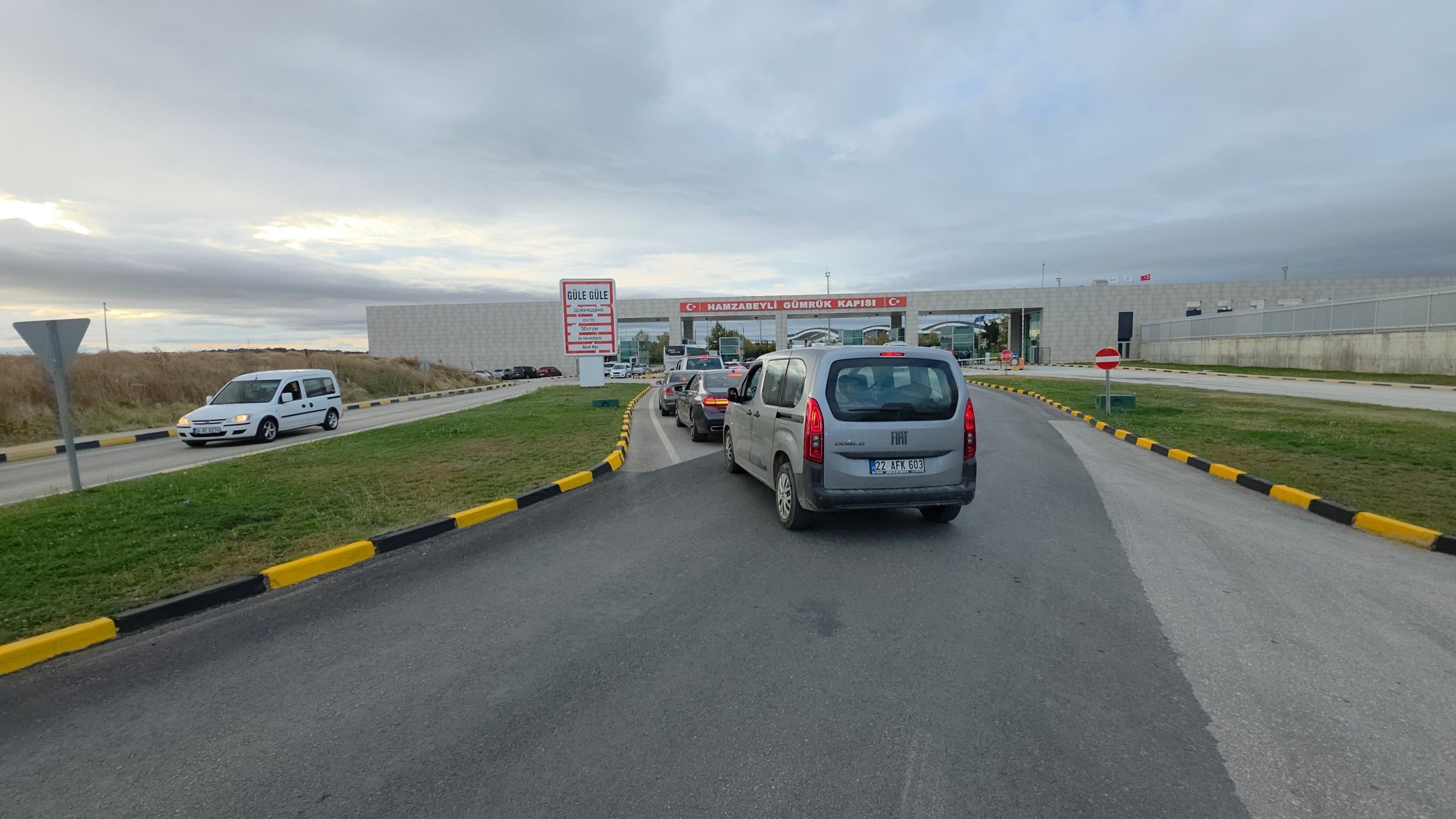
Turkish travelers and commercial operators, including logistics drivers, have encountered severe backlogs, strict documentation demands, and frequent appointment shortages at Schengen diplomatic missions within the country. While accession talks have remained frozen since 2016 following years of political strain and the COVID-19 pandemic, commerce between Ankara and the 27-member bloc has continued to expand.
Ankara maintains it has fulfilled 66 of the 72 criteria mandated by Brussels for visa liberalization, while attributing the remaining stalemate to political obstruction rather than technical non-compliance. The outstanding requirements involve complex adjustments to counterterrorism statutes, data protection laws, anti-corruption measures, judicial cooperation, and migrant readmission protocols, alongside broader geopolitical disputes involving regional member states.
The stakes
Progress on visa liberalization stands to benefit Turkish business travelers, citizens, and trade efficiency, while deeper integration hinges on contentious legislative reforms in Ankara and unanimous political backing from all European Union member states.
Two readings
- Supporters read the initiative as a pragmatic opportunity to alleviate everyday bureaucratic burdens for citizens and strengthen vital commercial partnerships between Turkey and Europe.
- Critics read the push as an unrealistic diplomatic maneuver that bypasses necessary domestic reforms on human rights, data protection, and counterterrorism standards.
Source Daily Sabah — dailysabah.com/politics/eu-affairs/turkiye-aspires-to-revive-work-t… ↗
Read next
 ✒️Opinion & Analysis
ICJ Rules Myanmar Military Committed Genocide Against Rohingya
The International Court of Justice has found Myanmar's military guilty of genocide against the Rohingya, a ruling that damages the international standing of both Aung San…
 🕯️Democracy & Rights
Chinese teachers face rising parental pressure over personal life choices
Chinese educators are encountering a surge in unreasonable demands from parents, including complaints regarding teachers' pregnancy and maternity leave.
 🛡️War & Security
Ukraine Restricts Media Coverage of Infrastructure Damage Amid Russian Strikes
President Volodymyr Zelenskyy has issued a decree prohibiting media outlets from reporting on the impact of Russian strikes against critical infrastructure and the status…
 🏮China & Taiwan
Beijing Reaffirms Reunification Stance Following Taiwan Local Election Results
China’s Taiwan Affairs Office declared that the island’s reunification with the mainland remains inevitable, despite recent shifts in Taiwan's local political landscape.
 🇪🇺Europe
US Air Force Repels Unauthorized Drone Incursion at RAF Lakenheath
U.S. security forces at a British air base successfully countered a group of unidentified drones, amid growing concerns over potential foreign state involvement.
 ⚖️Law & Policy
India Government Proposes 50% Increase in Parliamentary Seats and Women's Reservation
The Indian government plans to introduce legislation to expand the Lok Sabha to 850 seats and mandate a 33% reservation for women in legislative bodies.