President Aliyev and President Erdoğan Reaffirm Azerbaijan-Türkiye Strategic Alliance
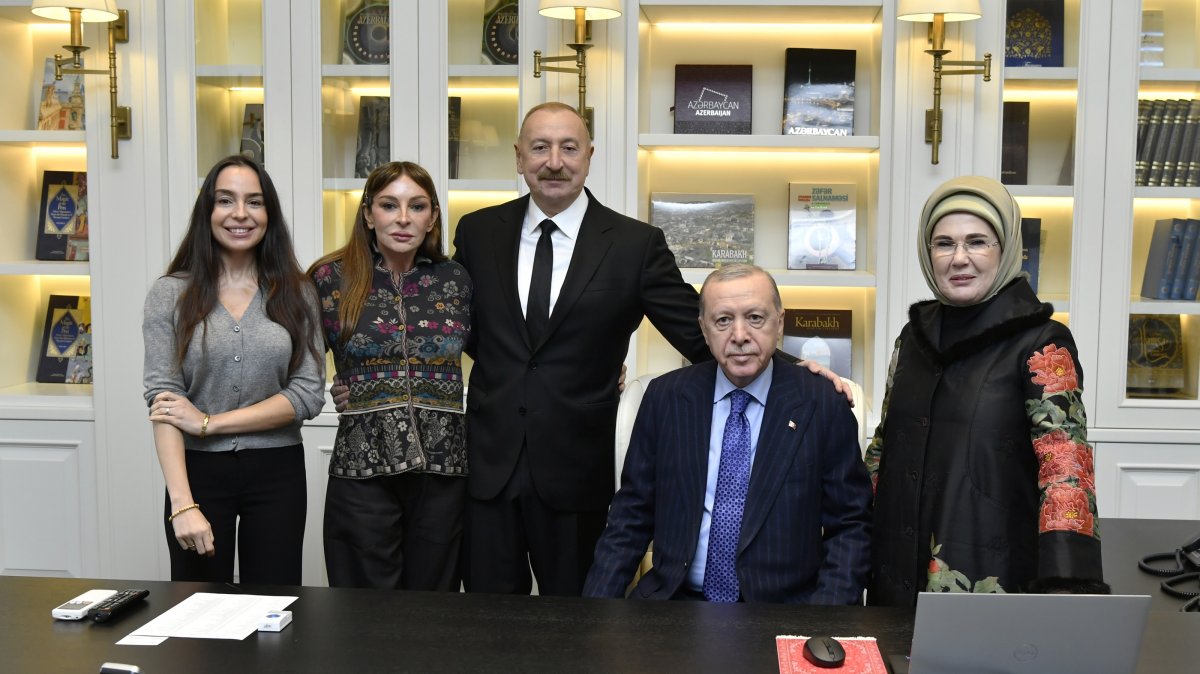
Azerbaijani President Ilham Aliyev and Turkish President Recep Tayyip Erdoğan met in Shusha to reinforce bilateral ties, dismissing any suggestions of diplomatic friction.
 🤝Diplomacy
Photo: Daily Sabah
Key points
- President Aliyev and President Erdoğan met in Shusha to reaffirm bilateral ties.
- The leaders dismissed reports of potential friction between the two nations.
- Both presidents emphasized the historical significance of Turkish support during the Second Karabakh War.
Azerbaijani President Ilham Aliyev and Turkish President Recep Tayyip Erdoğan met in Shusha on Sunday to publicly reaffirm the strength of the strategic partnership between their two nations. During a joint press conference, President Aliyev emphasized that the brotherhood between Azerbaijan and Türkiye remains unshakable, asserting that no external force could weaken the bond between the two countries.
The meeting served as an opportunity for the leaders to reflect on their historical cooperation, specifically citing the Second Karabakh War. President Aliyev expressed gratitude for the political and moral support provided by the Turkish government and its citizens during the conflict. President Erdoğan echoed these sentiments, stating that any attempts by third parties to drive a wedge between the two nations would ultimately prove unsuccessful.
The visit to Shusha, a city of significant symbolic importance to Azerbaijan, underscores the geopolitical alignment that defines the Ankara-Baku relationship. Both leaders characterized their cooperation as a cornerstone of regional stability and mutual security, signaling a continued commitment to deep integration across political and defense sectors.
The stakes
The solidification of this alliance ensures that Azerbaijan maintains a powerful regional patron, while Türkiye secures a vital foothold in the Caucasus. Should this cooperation continue to deepen, it will likely alter regional power dynamics, potentially isolating rival interests and cementing the current security architecture in the South Caucasus.
Two readings
- Supporters view the meeting as a necessary consolidation of regional stability and a rightful reward for a long-standing, mutually beneficial strategic brotherhood.
- Critics may interpret the intensified rhetoric as a signal of an increasingly exclusive regional bloc that could limit diplomatic flexibility and heighten tensions with neighboring powers.
Source Daily Sabah — dailysabah.com/politics/diplomacy/aliyev-hails-unshaken-bonds-with-… ↗
Read next
 ✒️Opinion & Analysis
ICJ Rules Myanmar Military Committed Genocide Against Rohingya
The International Court of Justice has found Myanmar's military guilty of genocide against the Rohingya, a ruling that damages the international standing of both Aung San…
 🕯️Democracy & Rights
Chinese teachers face rising parental pressure over personal life choices
Chinese educators are encountering a surge in unreasonable demands from parents, including complaints regarding teachers' pregnancy and maternity leave.
 🛡️War & Security
Ukraine Restricts Media Coverage of Infrastructure Damage Amid Russian Strikes
President Volodymyr Zelenskyy has issued a decree prohibiting media outlets from reporting on the impact of Russian strikes against critical infrastructure and the status…
 🏮China & Taiwan
Beijing Reaffirms Reunification Stance Following Taiwan Local Election Results
China’s Taiwan Affairs Office declared that the island’s reunification with the mainland remains inevitable, despite recent shifts in Taiwan's local political landscape.
 🇪🇺Europe
US Air Force Repels Unauthorized Drone Incursion at RAF Lakenheath
U.S. security forces at a British air base successfully countered a group of unidentified drones, amid growing concerns over potential foreign state involvement.
 ⚖️Law & Policy
India Government Proposes 50% Increase in Parliamentary Seats and Women's Reservation
The Indian government plans to introduce legislation to expand the Lok Sabha to 850 seats and mandate a 33% reservation for women in legislative bodies.