Iranian Speaker Ghalibaf Sets Seven Conditions for Negotiations with United States
Iranian Parliament Speaker Mohammad Baqer Ghalibaf has declared that Tehran will refuse to engage in talks with the U.S. until seven specific conditions are met, while warning against further military escalation.
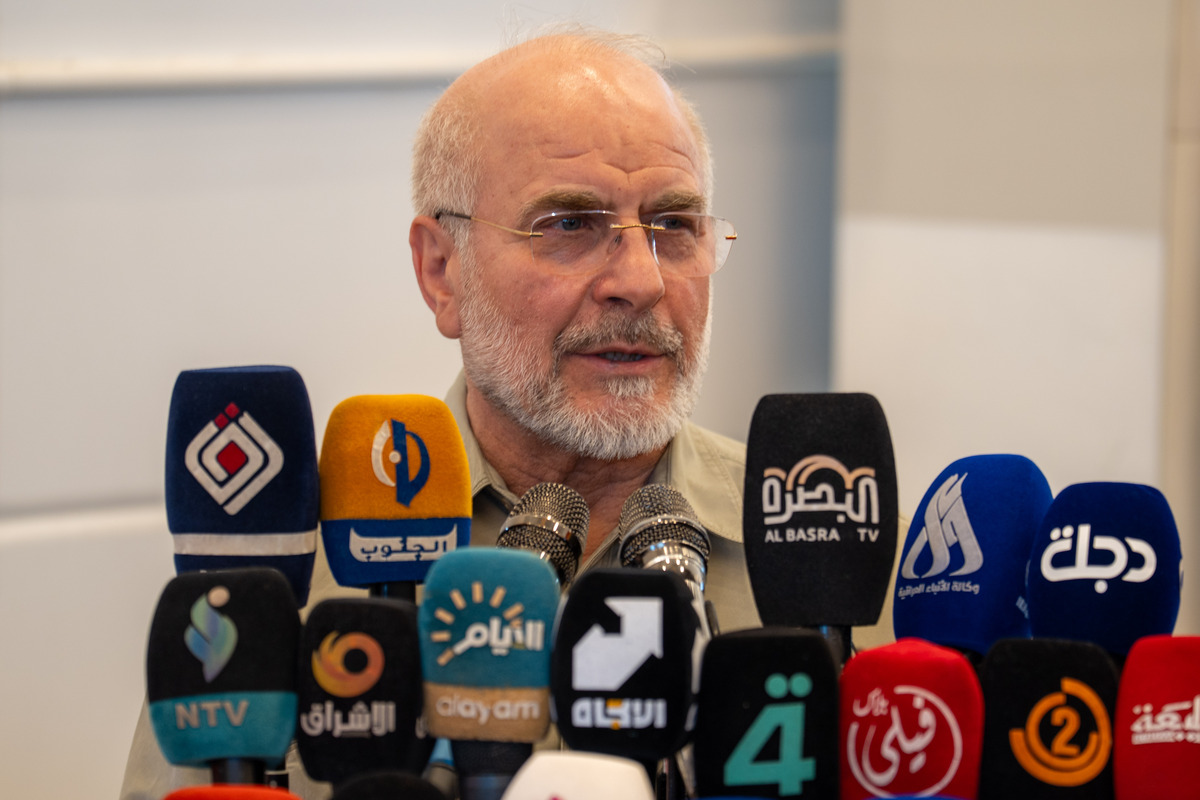 🤝Diplomacy
Photo: Middle East Monitor
Key points
- Mohammad Baqer Ghalibaf declares negotiations with the U.S. are off the table.
- Tehran demands fulfillment of seven undisclosed conditions before talks can resume.
- Iran warns that any U.S. military aggression will lead to a broader regional conflict.
Iranian Parliament Speaker Mohammad Baqer Ghalibaf announced on Tuesday that Tehran remains committed to a policy of non-engagement with the United States, contingent upon the fulfillment of seven specific, yet unlisted, conditions. Addressing a public session of the legislature, Ghalibaf characterized the current U.S. approach—marked by economic pressure and rhetoric from President Donald Trump—as a sign of Washington's inability to effectively challenge Iran.
The Speaker emphasized that Tehran’s stance on potential diplomatic dialogue is both firm and transparent. He reiterated that no movement toward negotiations will occur until the Iranian government's requirements are satisfied by the American administration. While the specific details of these seven conditions were not disclosed during his address, Ghalibaf maintained that the current trajectory of U.S. policy necessitates a defensive posture from Tehran.
Beyond the diplomatic impasse, Ghalibaf issued a stern warning regarding the regional security situation. He asserted that Iran is fully prepared to retaliate against any military aggression from the United States, cautioning that any such escalation would likely trigger a wider conflict across the region.
The stakes
The hardening of Iran's position effectively freezes high-level diplomatic channels between Tehran and Washington, increasing the risk of miscalculation. If these conditions remain unmet, the standoff will likely result in continued economic isolation for Iran and heightened military posturing, leaving little room for de-escalation in an already volatile geopolitical environment.
Two readings
- Supporters view Ghalibaf’s ultimatum as a necessary assertion of national sovereignty and a refusal to succumb to external economic coercion.
- Critics interpret the move as a deliberate obstruction to peace, suggesting that the vague conditions are designed to prevent meaningful dialogue and maintain the status quo.
Source Middle East Monitor — middleeastmonitor.com/20261125-ghalibaf-says-iran-will-not-negotiat… ↗
Read next
 ✒️Opinion & Analysis
ICJ Rules Myanmar Military Committed Genocide Against Rohingya
The International Court of Justice has found Myanmar's military guilty of genocide against the Rohingya, a ruling that damages the international standing of both Aung San…
 🕯️Democracy & Rights
Chinese teachers face rising parental pressure over personal life choices
Chinese educators are encountering a surge in unreasonable demands from parents, including complaints regarding teachers' pregnancy and maternity leave.
 🛡️War & Security
Ukraine Restricts Media Coverage of Infrastructure Damage Amid Russian Strikes
President Volodymyr Zelenskyy has issued a decree prohibiting media outlets from reporting on the impact of Russian strikes against critical infrastructure and the status…
 🏮China & Taiwan
Beijing Reaffirms Reunification Stance Following Taiwan Local Election Results
China’s Taiwan Affairs Office declared that the island’s reunification with the mainland remains inevitable, despite recent shifts in Taiwan's local political landscape.
 🇪🇺Europe
US Air Force Repels Unauthorized Drone Incursion at RAF Lakenheath
U.S. security forces at a British air base successfully countered a group of unidentified drones, amid growing concerns over potential foreign state involvement.
 ⚖️Law & Policy
India Government Proposes 50% Increase in Parliamentary Seats and Women's Reservation
The Indian government plans to introduce legislation to expand the Lok Sabha to 850 seats and mandate a 33% reservation for women in legislative bodies.