Pakistan, Saudi Arabia, and Turkey to Convene in Islamabad for Defense Alliance Talks
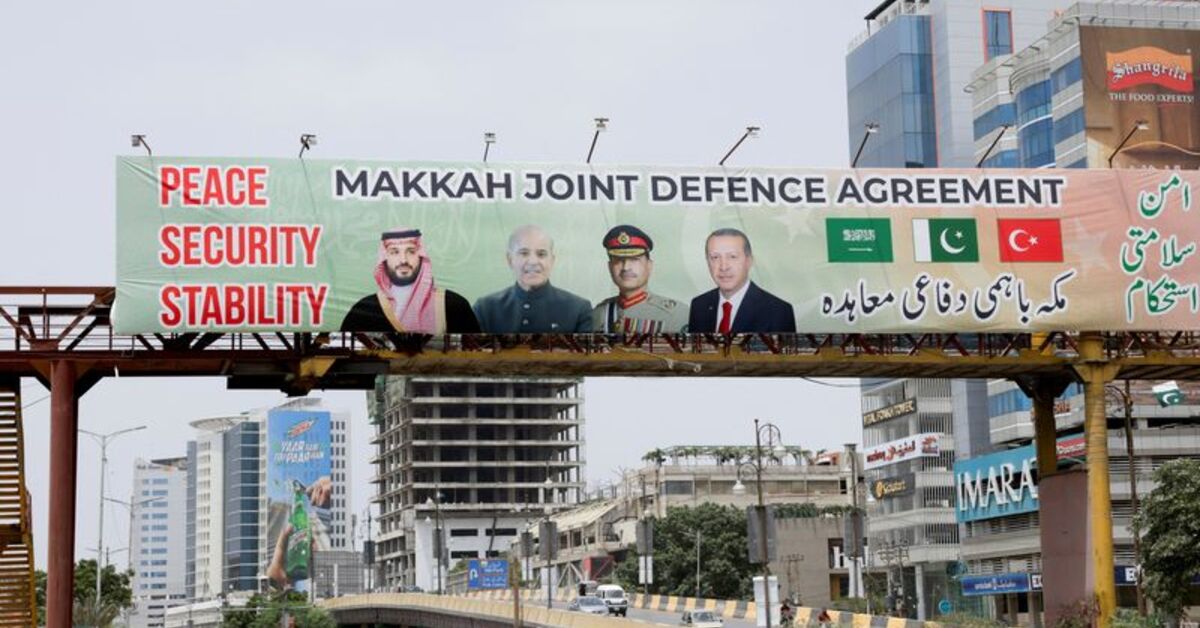
Foreign ministers from Saudi Arabia and Turkey are traveling to Islamabad to discuss a mutual defense pact signed in Mecca earlier this year.
 🤝Diplomacy
Photo: Al-Monitor
Key points
- Foreign ministers to meet in Islamabad for defense pact discussions on November 27-28.
- The alliance includes NATO member Turkey, energy giant Saudi Arabia, and nuclear-armed Pakistan.
- The pact was initially signed in Mecca following regional concerns over US-Israeli military actions.
Foreign ministers from Saudi Arabia and Turkey are scheduled to arrive in Islamabad this week to formalize cooperation under a tripartite mutual defense agreement. The high-level talks, set for Friday and Saturday, mark the first major follow-up since the three nations established a security pact in Mecca this past August.
The burgeoning alliance brings together three of the most influential powers in the Islamic world, each contributing distinct strategic assets. Turkey maintains the second-largest standing military within NATO, while Saudi Arabia serves as the custodian of Islam’s holiest sites and a dominant force in global energy markets. Pakistan adds a further dimension to the partnership as the only Muslim-majority nation possessing nuclear weapons.
Diplomatic sources indicate that the meeting is a direct response to heightened regional instability. The trio originally signed the agreement in August amid growing concerns regarding military escalations involving the United States, Israel, and Iran. This weekend's summit in the Pakistani capital is expected to focus on the operational details of their mutual defense commitments.
The stakes
The consolidation of this bloc suggests a move toward strategic autonomy for regional powers, potentially reducing reliance on traditional Western security umbrellas. If the alliance proves effective, it strengthens the collective bargaining power of Islamabad, Riyadh, and Ankara against external pressures; however, it may also complicate existing NATO obligations for Turkey and strain Pakistan's delicate balancing act between rival regional interests.
Two readings
- Supporters view the alliance as a necessary defensive shield that unites military, economic, and nuclear capabilities to prevent regional conflict and protect sovereign interests from external intervention.
- Critics argue that the formation of such a bloc could exacerbate sectarian or regional divisions, potentially drawing these nations into a broader confrontation and complicating their individual relationships with the West.
Source Al-Monitor — al-monitor.com/originals/2026/11/pakistan-saudi-turkey-hold-mecca-a… ↗
Read next
 ✒️Opinion & Analysis
ICJ Rules Myanmar Military Committed Genocide Against Rohingya
The International Court of Justice has found Myanmar's military guilty of genocide against the Rohingya, a ruling that damages the international standing of both Aung San…
 🕯️Democracy & Rights
Chinese teachers face rising parental pressure over personal life choices
Chinese educators are encountering a surge in unreasonable demands from parents, including complaints regarding teachers' pregnancy and maternity leave.
 🛡️War & Security
Ukraine Restricts Media Coverage of Infrastructure Damage Amid Russian Strikes
President Volodymyr Zelenskyy has issued a decree prohibiting media outlets from reporting on the impact of Russian strikes against critical infrastructure and the status…
 🏮China & Taiwan
Beijing Reaffirms Reunification Stance Following Taiwan Local Election Results
China’s Taiwan Affairs Office declared that the island’s reunification with the mainland remains inevitable, despite recent shifts in Taiwan's local political landscape.
 🇪🇺Europe
US Air Force Repels Unauthorized Drone Incursion at RAF Lakenheath
U.S. security forces at a British air base successfully countered a group of unidentified drones, amid growing concerns over potential foreign state involvement.
 ⚖️Law & Policy
India Government Proposes 50% Increase in Parliamentary Seats and Women's Reservation
The Indian government plans to introduce legislation to expand the Lok Sabha to 850 seats and mandate a 33% reservation for women in legislative bodies.