Egypt Reopens Tripoli Embassy Amid Tensions Over Mediterranean Maritime Deal
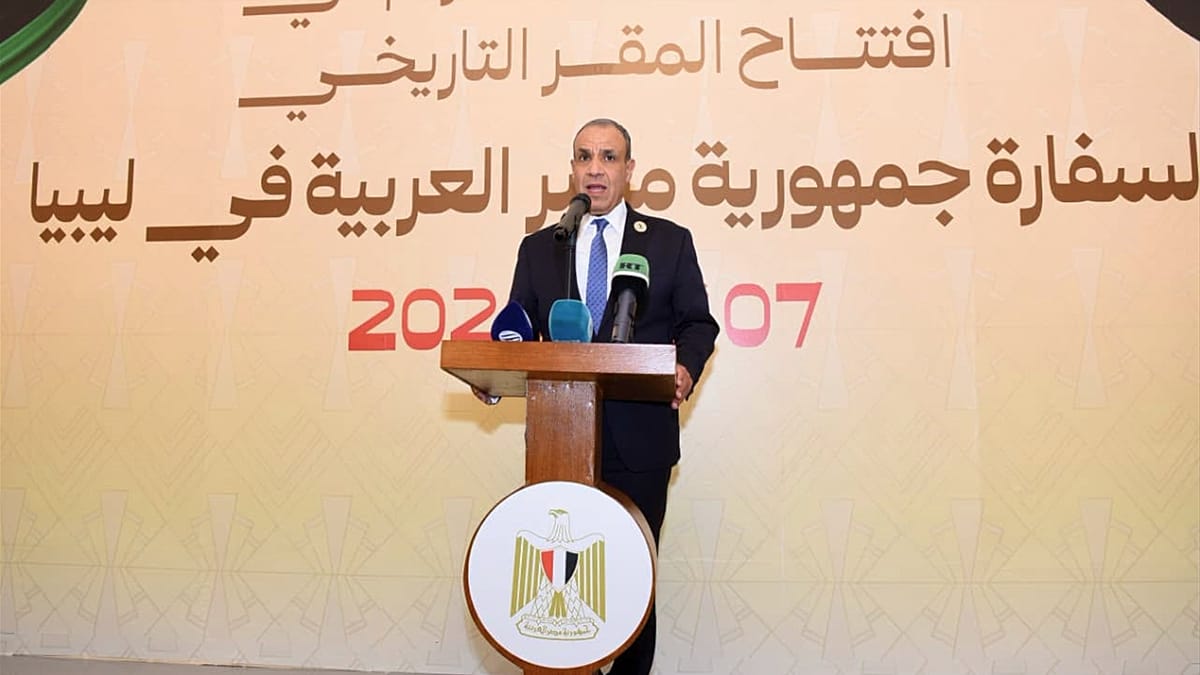
Egypt has officially reopened its embassy in Tripoli after a 12-year closure, signaling a shift in diplomatic engagement while maintaining opposition to a contentious Turkey-Libya maritime agreement.
 🤝Diplomacy
Photo: Euronews
Key points
- Egypt reopened its Tripoli embassy after a 12-year closure.
- Cairo continues to formally oppose the 2019 Turkey-Libya maritime boundary agreement.
- Discussions included plans for energy cooperation and Libyan reconstruction.
Egypt’s Foreign Minister Badr Abdelatty inaugurated the country's historic embassy in Tripoli on Saturday, marking a significant normalization of diplomatic ties with Libya’s internationally recognized government. The facility had been shuttered since 2014 following the abduction of embassy personnel, though limited diplomatic operations had resumed in 2021. During the visit, Abdelatty held discussions with Prime Minister Abdulhamid Dbeibah regarding infrastructure reconstruction, energy cooperation, and the expansion of trade routes.
Despite the push for economic collaboration, the visit highlighted persistent friction regarding the 2019 maritime boundary agreement between Turkey and Libya. Egypt, alongside Greece and Cyprus, has long contested the deal, arguing that it disregards the sovereign rights of Greek islands in the eastern Mediterranean. Abdelatty reiterated Cairo's formal objections, urging that Egyptian interests be considered in future maritime delineations.
The diplomatic maneuvering occurs as Libya remains internally divided between the Tripoli-based administration and the eastern-based government supported by military commander Khalifa Haftar. While the eastern parliament recently ratified the Turkey-Libya agreement, the European Union has maintained that the pact lacks legal standing regarding the rights of third-party nations. Both Libyan and Egyptian officials have agreed to continue technical discussions to address these overlapping territorial claims.
The stakes
The reopening of the embassy provides Egypt with a direct channel to influence the Tripoli government, potentially balancing Turkish influence in the region. If the maritime dispute remains unresolved, it risks further destabilizing energy exploration efforts in the eastern Mediterranean and deepening the geopolitical divide between Cairo and Ankara.
Two readings
- Supporters view the embassy reopening as a pragmatic step toward regional stability and essential for facilitating Libyan reconstruction and energy security.
- Critics argue the move is a tactical attempt by Cairo to undermine the Turkey-Libya maritime deal and assert control over contested Mediterranean gas reserves.
Source Euronews — euronews.com/2026/11/08/egypt-reopens-tripoli-embassy-after-12-year… ↗
Read next
 ✒️Opinion & Analysis
ICJ Rules Myanmar Military Committed Genocide Against Rohingya
The International Court of Justice has found Myanmar's military guilty of genocide against the Rohingya, a ruling that damages the international standing of both Aung San…
 🕯️Democracy & Rights
Chinese teachers face rising parental pressure over personal life choices
Chinese educators are encountering a surge in unreasonable demands from parents, including complaints regarding teachers' pregnancy and maternity leave.
 🛡️War & Security
Ukraine Restricts Media Coverage of Infrastructure Damage Amid Russian Strikes
President Volodymyr Zelenskyy has issued a decree prohibiting media outlets from reporting on the impact of Russian strikes against critical infrastructure and the status…
 🏮China & Taiwan
Beijing Reaffirms Reunification Stance Following Taiwan Local Election Results
China’s Taiwan Affairs Office declared that the island’s reunification with the mainland remains inevitable, despite recent shifts in Taiwan's local political landscape.
 🇪🇺Europe
US Air Force Repels Unauthorized Drone Incursion at RAF Lakenheath
U.S. security forces at a British air base successfully countered a group of unidentified drones, amid growing concerns over potential foreign state involvement.
 ⚖️Law & Policy
India Government Proposes 50% Increase in Parliamentary Seats and Women's Reservation
The Indian government plans to introduce legislation to expand the Lok Sabha to 850 seats and mandate a 33% reservation for women in legislative bodies.