Afghan Women in U.S. Face Anxiety Amid Deportation Threat to Taliban Rule
Afghan women and families residing in the United States express deep anxiety following federal plans to deport nearly 200 individuals back to Taliban-controlled Afghanistan. A temporary judicial stay has halted the removals, leaving the community in legal limbo.
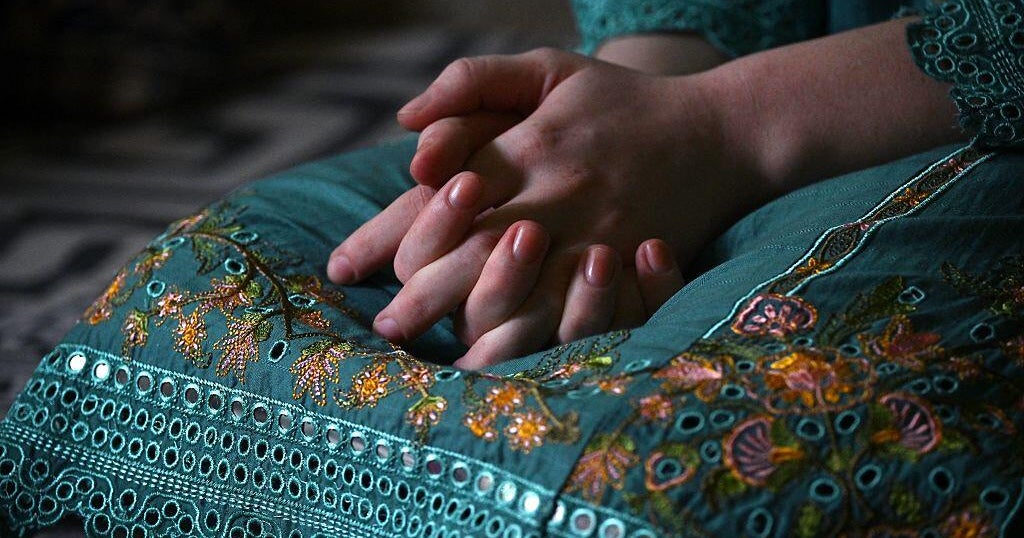 🤝Diplomacy
Photo: CBS World
Key points
- Federal judge temporarily blocks deportation flight of Afghans to Taliban-controlled territory.
- Advocates warn Afghan women face severe persecution, lack of education, and rights violations if returned.
- DHS previously shifted stance on security conditions, while community faces stalled green card processes.
Federal plans to deport nearly 200 Afghan nationals through Pakistan to Taliban-controlled territory have triggered profound uncertainty and fear across the Afghan community in the United States. Although a federal judge temporarily halted an initial removal flight scheduled for early November, advocates note that numerous families remain trapped in legal ambiguity, fearing severe persecution due to their historic ties to American operations in South Asia.
Humanitarian organizations and advocacy networks warn that women and girls would bear the most severe consequences of any forced returns. Since retaking power in 2021, the Taliban administration has restricted women from secondary education, universities, and most employment sectors, alongside rising rates of forced marriages and domestic insecurity. For families who relocated to New York and other urban centers, shifting immigration directives and stalled permanent residency applications have severely compounded their daily pressures.
Legal challenges mounted by nonprofit groups argue that returning these populations exposes them to extreme human rights violations. The Department of Homeland Security previously maintained that shifting security indicators and economic stabilization in Kabul no longer warranted blanket protections, prompting the suspension of specific temporary status designations.
The stakes
If large-scale deportations proceed, vulnerable families and former U.S. allies face direct exposure to systemic repression under Taliban governance, while the federal government risks severe reputational damage regarding its commitments to wartime partners. Halting the removals preserves humanitarian protections but maintains policy friction surrounding the long-term status of roughly 180,000 Afghans who arrived after the 2021 withdrawal.
Two readings
- Supporters of immigration enforcement argue that altered security metrics and administrative rules necessitate normal removal procedures for individuals without finalized legal statuses.
- Critics and human rights advocates contend that returning allies and vulnerable women to a regime defined by systematic gender apartheid violates core moral and humanitarian obligations.
Source CBS World — cbsnews.com/news/afghan-women-us-deportation-threat-taliban/ ↗
Read next
 ✒️Opinion & Analysis
ICJ Rules Myanmar Military Committed Genocide Against Rohingya
The International Court of Justice has found Myanmar's military guilty of genocide against the Rohingya, a ruling that damages the international standing of both Aung San…
 🕯️Democracy & Rights
Chinese teachers face rising parental pressure over personal life choices
Chinese educators are encountering a surge in unreasonable demands from parents, including complaints regarding teachers' pregnancy and maternity leave.
 🛡️War & Security
Ukraine Restricts Media Coverage of Infrastructure Damage Amid Russian Strikes
President Volodymyr Zelenskyy has issued a decree prohibiting media outlets from reporting on the impact of Russian strikes against critical infrastructure and the status…
 🏮China & Taiwan
Beijing Reaffirms Reunification Stance Following Taiwan Local Election Results
China’s Taiwan Affairs Office declared that the island’s reunification with the mainland remains inevitable, despite recent shifts in Taiwan's local political landscape.
 🇪🇺Europe
US Air Force Repels Unauthorized Drone Incursion at RAF Lakenheath
U.S. security forces at a British air base successfully countered a group of unidentified drones, amid growing concerns over potential foreign state involvement.
 ⚖️Law & Policy
India Government Proposes 50% Increase in Parliamentary Seats and Women's Reservation
The Indian government plans to introduce legislation to expand the Lok Sabha to 850 seats and mandate a 33% reservation for women in legislative bodies.