Historians Challenge Use of Historical Myths in Swedish NATO Policy Debates
Historians warn against the misuse of historical narratives in modern foreign policy, arguing that Sweden's past neutrality was driven by survival rather than moral failure as the nation aligns with NATO.
 🤝Diplomacy
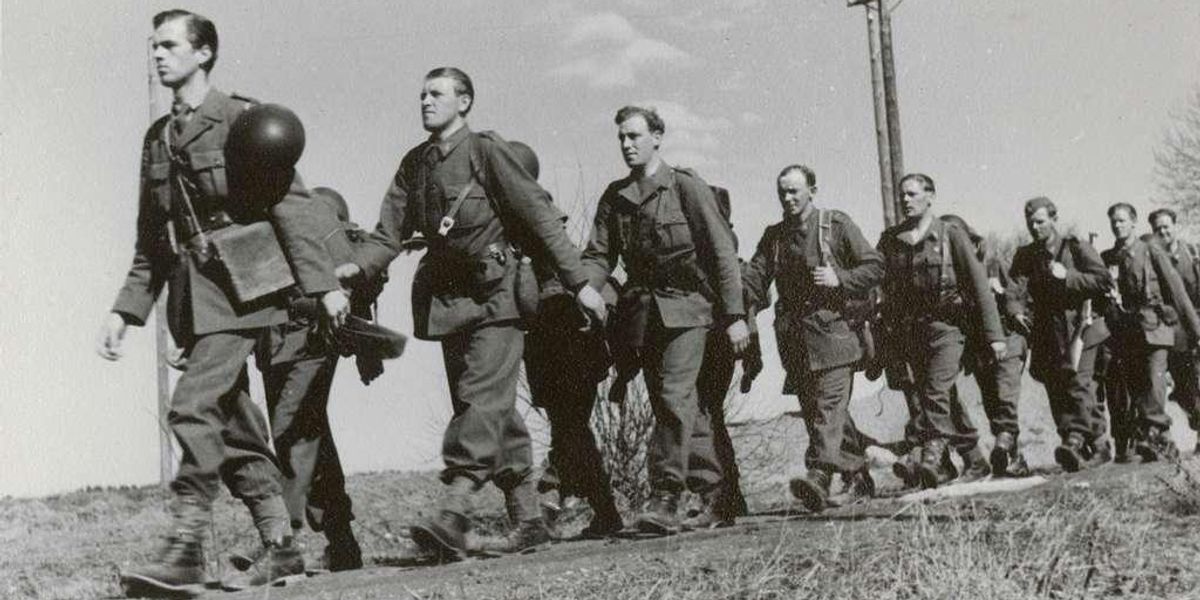
Photo: Responsible Statecraft
Key points
- Historian Stephen Kotkin warns against using reductionist 'junk history' to justify foreign policy decisions.
- Scholars clarify that Sweden's World War II neutrality was forced by strategic necessity and isolation, not ideological affinity with aggressors.
- Perceptions of historical guilt over past non-alignment continue to influence modern debates regarding Sweden's integration into NATO.
Stanford University historian Stephen Kotkin has warned against the misuse of simplified historical narratives in foreign policy debates, highlighting how distorted interpretations of past neutrality continue to influence modern strategic choices, including Sweden's entry into NATO.
Kotkin noted that historical misinterpretations, such as British Prime Minister Neville Chamberlain's 1938 Munich Agreement, are frequently misapplied in defense debates to justify aggressive action. Similarly, current discussions surrounding Swedish security often rely on flawed assumptions about its historical non-alignment. Commentators like Aaron MacLean, speaking on the School of War podcast, have framed Sweden's past stance as an attempt at splendid isolation that successfully preserved national security over centuries.
However, research by historians Kent Zetterberg and John Gilmour demonstrates that Sweden's posture during World War II was dictated by strategic necessity rather than ideological alignment. Gilmour established that severe military vulnerability and economic isolation forced Sweden to grant limited trade and transit concessions to Germany while simultaneously upgrading its armed forces and aiding Allied powers.
The stakes
Re-evaluating historical narratives directly impacts how democratic states justify major strategic pivots, such as Sweden abandoning its centuries-long non-alignment to join NATO. Misinterpreting pragmatic historical decisions as moral transgressions risks distorting public understanding and driving defense policy based on flawed historical analogies.
Two readings
- Supporters of historical reassessment contend that grounding policy in empirical reality prevents misleading precedents from being weaponized to justify unnecessary security commitments.
- Critics of traditional non-alignment argue that past concessions to authoritarian regimes demonstrate the inherent flaws of neutrality, validating a complete integration into Western defense structures.
Source Responsible Statecraft — responsiblestatecraft.org/world-war-two-sweden-neutrality/ ↗
Read next
 ✒️Opinion & Analysis
ICJ Rules Myanmar Military Committed Genocide Against Rohingya
The International Court of Justice has found Myanmar's military guilty of genocide against the Rohingya, a ruling that damages the international standing of both Aung San…
 🕯️Democracy & Rights
Chinese teachers face rising parental pressure over personal life choices
Chinese educators are encountering a surge in unreasonable demands from parents, including complaints regarding teachers' pregnancy and maternity leave.
 🛡️War & Security
Ukraine Restricts Media Coverage of Infrastructure Damage Amid Russian Strikes
President Volodymyr Zelenskyy has issued a decree prohibiting media outlets from reporting on the impact of Russian strikes against critical infrastructure and the status…
 🏮China & Taiwan
Beijing Reaffirms Reunification Stance Following Taiwan Local Election Results
China’s Taiwan Affairs Office declared that the island’s reunification with the mainland remains inevitable, despite recent shifts in Taiwan's local political landscape.
 🇪🇺Europe
US Air Force Repels Unauthorized Drone Incursion at RAF Lakenheath
U.S. security forces at a British air base successfully countered a group of unidentified drones, amid growing concerns over potential foreign state involvement.
 ⚖️Law & Policy
India Government Proposes 50% Increase in Parliamentary Seats and Women's Reservation
The Indian government plans to introduce legislation to expand the Lok Sabha to 850 seats and mandate a 33% reservation for women in legislative bodies.